The Gemini Telescope Passes Its First Test

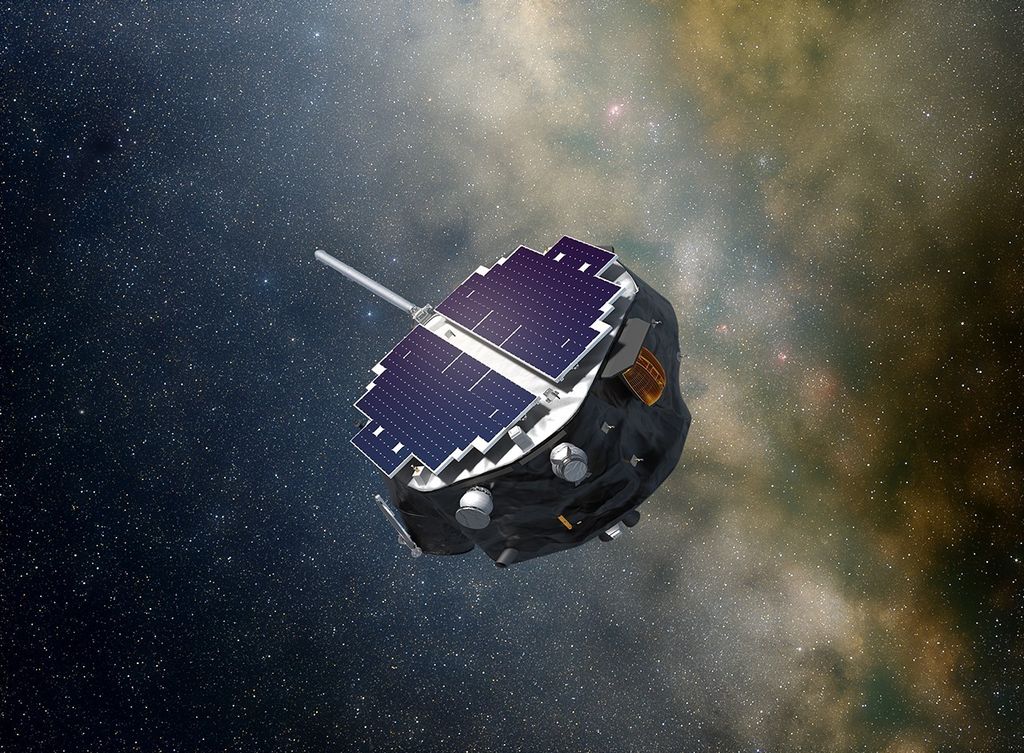
Overview of the Gemini Telescope The Gemini Telescope marks a pivotal advancement in the field of observational astronomy, designed to deepen our comprehension of celestial phenomena. Having recently completed its initial operational evaluations successfully, it has generated considerable excitement regarding its scientific potential and the broader implications for astrophysics. This achievement not only highlights a […]

Read More →

Hubble Gets an Upgrade: Astronauts Ready for a Space Makeover

Overview of the Hubble Space Telescope The Hubble Space Telescope stands as a monumental achievement in astronomical research, captivating both scientists and the public with its groundbreaking observations. Since its launch in 1990, Hubble has transformed our comprehension of the universe by operating beyond Earth’s atmospheric distortions, providing crystal-clear images and invaluable data that terrestrial […]

Read More →

COROT Sees First Light: A New Eye on the Universe

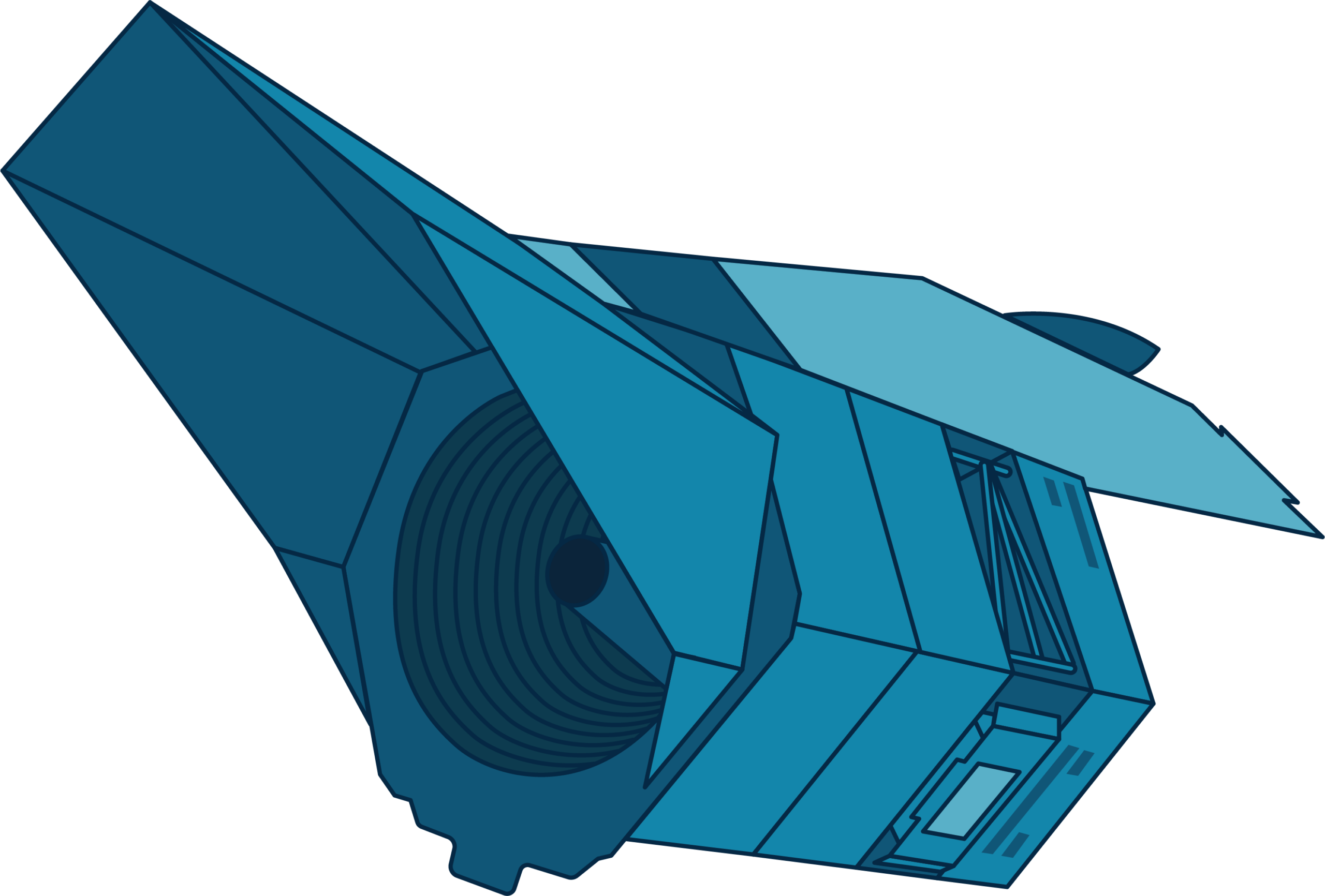
Definition and Overview of the COROT Mission The COROT mission, an acronym for Convection, Rotation and Transit, represents a landmark achievement in the field of astrophysics and space observation. Launched in December 2006, this space telescope was engineered with a dual scientific objective: to study stellar oscillations and to discover exoplanets using the transit detection […]

Read More →

Astrophysicists Draw Their Wish List: Tools for Tomorrow’s Telescopes

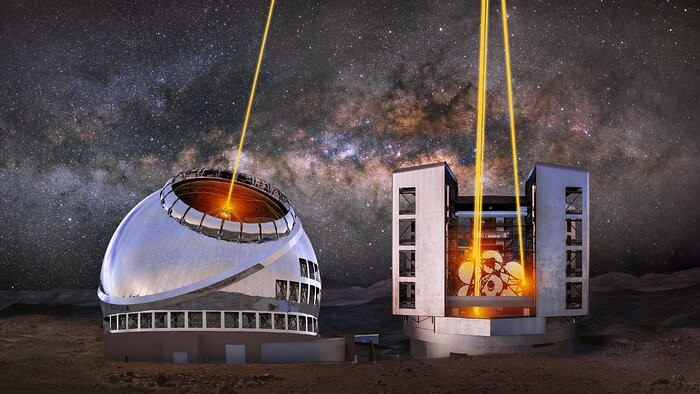
Overview of Future Astrophysical Instruments The field of astrophysics is deeply intertwined with technological progress, with the capabilities of scientific instruments directly influencing the scope and depth of cosmic discoveries. As we look ahead, the development of next-generation telescopes promises to revolutionize how we observe and interpret the universe, offering enhanced precision and novel insights […]

Read More →

Why don’t space telescopes use adaptive optics?

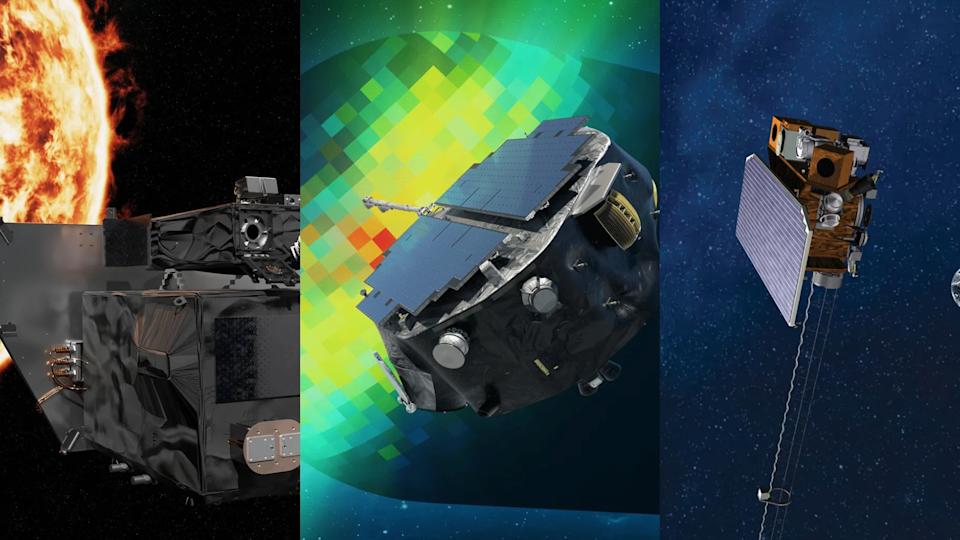
Definition of Space Telescopes and Adaptive Optics Space telescopes are advanced astronomical instruments positioned beyond Earth’s atmosphere to observe celestial objects with minimal interference. Adaptive optics, on the other hand, is a technology primarily used in ground-based telescopes to correct distortions caused by atmospheric turbulence, thereby enhancing image clarity. Space Telescopes: Instruments placed in orbit […]

Read More →