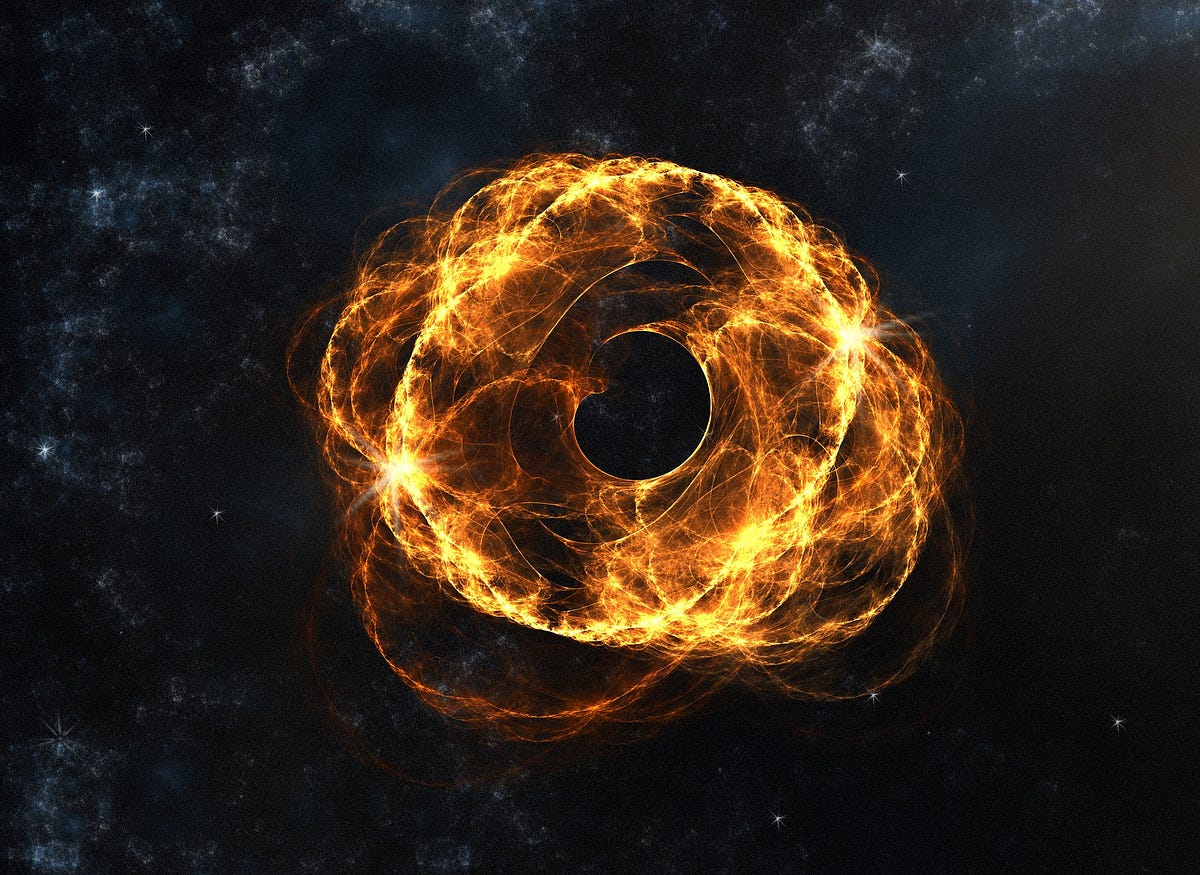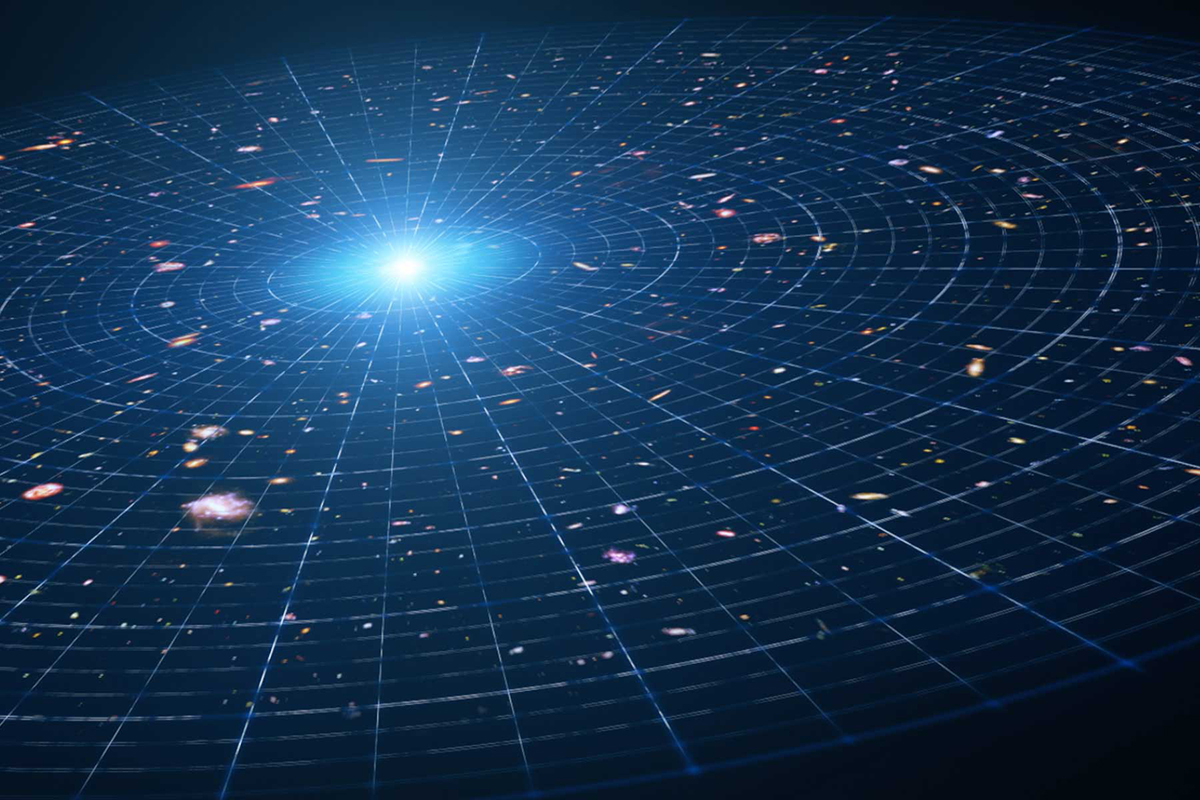
The First Quasars and the Early Universe

Definition of Quasars Quasars, short for “quasi-stellar objects,” are extraordinarily luminous celestial bodies that emerged in the early universe. They represent a distinct phase in the evolution of massive galaxies, characterized by intense energy emissions powered by supermassive black holes at their cores. These objects serve as cosmic beacons, illuminating the distant reaches of space […]

Read More →

Dubna Discovers Second Isotope of Element 114

Definition of Flerovium and Its Isotopes Flerovium (Fl), designated as element 114 on the periodic table, is a superheavy synthetic element first created in 1999. It belongs to the group of transactinide elements and is characterized by its extremely short-lived isotopes. Isotopes of an element share the same number of protons but differ in neutron […]

Read More →

Adaptive Optics to Cover the Sky: Sharpening Our Cosmic Vision

Definition of Adaptive Optics Adaptive optics is an advanced technological system designed to enhance the clarity of astronomical observations by compensating for distortions caused by Earth’s atmosphere. This technology functions like a dynamic corrective lens, continuously adjusting to counteract atmospheric turbulence that blurs the images of celestial objects. By refining the incoming light from space, […]

Read More →

Strings and Signals: Cosmic Radiation Plays Tricks Again

Understanding Cosmic Radiation Cosmic radiation refers to the high-energy particles and electromagnetic waves that continuously bombard Earth from outer space. Originating from powerful astrophysical phenomena such as supernovae explosions and quasars, these particles-primarily protons, electrons, and atomic nuclei-serve as messengers carrying vital information about the distant and ancient universe. Their study provides critical insights into […]

Read More →

Lightning’s Secret Spark: Cosmic Rays to the Rescue

Definition of Lightning and Cosmic Rays Lightning is a spectacular atmospheric event characterized by a sudden, intense electrical discharge accompanied by thunder. It primarily occurs within towering cumulonimbus clouds, where complex physical processes lead to the buildup and release of electrical energy. Cosmic rays, on the other hand, are highly energetic particles originating from outer […]

Read More →

Baby Star Blows a Bubble: Celestial Nursery Gets Fiery

Definition of Celestial Nursery Design Celestial nursery design refers to the thematic incorporation of cosmic elements-such as stars, planets, and galaxies-into early childhood environments. This approach transcends traditional nursery aesthetics by blending educational and imaginative components inspired by the universe, aiming to stimulate cognitive, emotional, and sensory development in young children. Cosmic Inspiration: Utilizing motifs […]

Read More →

What is a star’s ‘spectrum’? – Mathematics and Physics?

Definition of a Star’s Spectrum A star’s spectrum represents the range of electromagnetic radiation it emits, encompassing a detailed profile of light that reveals critical information about the star’s physical properties. This spectrum acts as a cosmic fingerprint, encoding data about the star’s chemical makeup, temperature, brightness, and motion through space. By studying these spectral […]

Read More →

Gamma-Ray Bursts Unveiled: The Universe’s Biggest Bangs

Definition of Gamma-Ray Bursts Gamma-ray bursts (GRBs) are intense, brief flashes of gamma radiation-the highest-energy form of electromagnetic waves-originating from distant cosmic events. These bursts can last from a fraction of a second to several minutes and release an extraordinary amount of energy, often surpassing the total output of our Sun over its entire lifetime […]

Read More →