
Short Answer
Definition of Gamma Rays
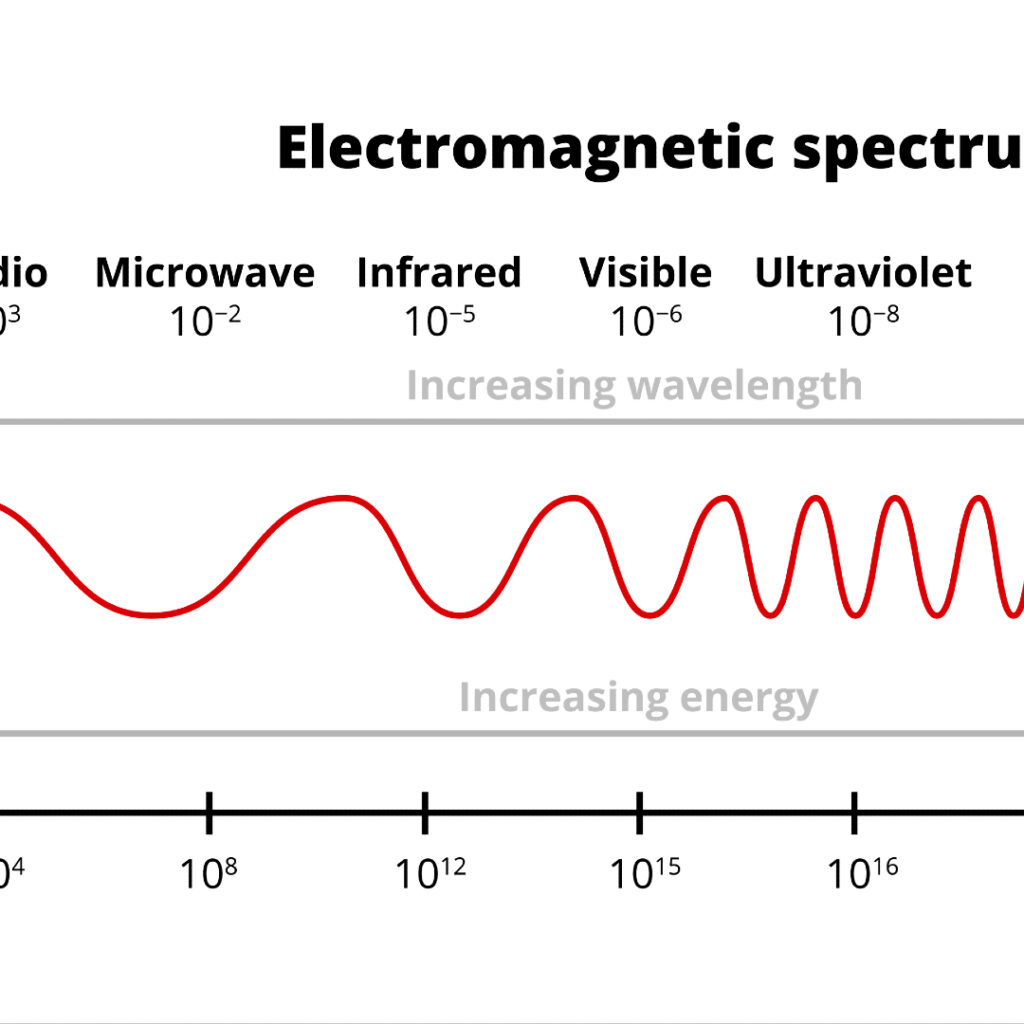
Gamma rays are a form of electromagnetic radiation characterized by extremely high energy and frequency, surpassing even ultraviolet and X-ray wavelengths. These photons are invisible and intangible, traveling at the speed of light, and are produced by some of the universe’s most violent and energetic events. Their immense energy allows them to penetrate matter deeply, making them one of the most lethal forms of radiation known.
- Origin:
Gamma rays are emitted during cosmic phenomena such as supernova explosions, pulsars, and gamma-ray bursts (GRBs). - Energy:
Their photons carry enough energy to ionize atoms by ejecting electrons, disrupting molecular structures.
Mechanism of Gamma Ray Interaction with Matter
Gamma rays interact with matter primarily through ionization, where their high-energy photons collide with atoms and dislodge electrons. This process initiates secondary effects such as the emission of fast-moving electrons via the photoelectric effect and Compton scattering. These secondary electrons propagate through tissues, breaking chemical bonds and causing widespread molecular damage.
- Penetration:
Unlike alpha and beta particles, gamma rays can penetrate deeply into biological tissues, affecting cells far beneath the surface. - Cellular Impact:
The disruption of DNA and other critical molecules leads to mutations, impaired cellular functions, and cell death.
Biological Effects of Gamma Radiation
When living organisms are exposed to gamma rays, the radiation can cause severe damage at the cellular and genetic levels. DNA strands may break, leading to mutations or cell death if the damage overwhelms the body’s repair mechanisms. Acute exposure can result in radiation sickness, while long-term effects include immune system failure and increased cancer risk.
- Acute Radiation Syndrome (ARS):
Initial symptoms such as nausea and fatigue may appear soon after exposure, but the most serious damage unfolds over time. - Genetic Damage:
Broken DNA can cause erroneous repairs or apoptosis, undermining tissue and organ function.
Gamma Rays in the Cosmic Context
Gamma rays are not only a terrestrial hazard but also a cosmic threat. Gamma-ray bursts (GRBs) are intense, short-lived emissions of gamma radiation from distant galaxies, capable of devastating planetary atmospheres if close enough. Such bursts could destroy Earth’s ozone layer, exposing life to harmful ultraviolet radiation and potentially triggering mass extinctions.
- Gamma-Ray Bursts:
These are among the most energetic events in the universe, releasing enormous amounts of gamma radiation in seconds. - Potential Earth Impact:
A nearby GRB could have catastrophic effects on Earth’s biosphere by damaging atmospheric protection.
Applications of Gamma Rays
Despite their destructive potential, gamma rays have valuable uses in science and medicine. They enable astronomers to study extreme cosmic phenomena and assist in identifying radioactive substances through gamma spectroscopy. In medicine, controlled gamma radiation is employed to sterilize equipment and to target cancer cells, exploiting its ability to destroy malignant tissue.
- Astronomical Research:
Gamma ray detection reveals insights into black holes, neutron stars, and other exotic objects. - Medical Therapy:
Gamma radiation is used in radiotherapy to kill cancer cells while sparing surrounding healthy tissue as much as possible.
Challenges in Protection Against Gamma Radiation
Shielding against gamma rays is particularly difficult due to their high penetration power. Dense materials such as lead or thick concrete are required to attenuate their energy effectively. In space exploration, where weight and volume constraints limit traditional shielding, innovative approaches like magnetic fields, advanced polymers, and specialized habitat designs are being developed to protect astronauts from gamma radiation.
- Shielding Materials:
Lead and concrete are standard barriers, but their mass makes them impractical for space missions. - Spacecraft Vulnerability:
Gamma rays can also disrupt electronic systems, causing malfunctions or failures in satellites and spacecraft. - Innovative Solutions:
Research into magnetic shielding and novel materials aims to balance protection with engineering feasibility.
Common Misconceptions About Gamma Rays
Gamma radiation causes immediate death upon exposure.
While high doses can be lethal, symptoms often develop gradually, with delayed effects such as cancer and immune system damage manifesting over time.
All radiation is equally harmful.
Different types of radiation vary in penetration and biological impact; gamma rays are uniquely penetrating and damaging compared to alpha or beta particles.
Significance of Gamma Rays in Science and Technology
Gamma rays play a crucial role in expanding our understanding of the universe and advancing technology. Their detection allows scientists to explore phenomena invisible to other wavelengths, while their controlled use in medicine saves lives. Moreover, addressing the challenges posed by gamma radiation drives innovation in materials science, space engineering, and radiation protection, underscoring their importance beyond their destructive reputation.
Conclusion: The Dual Nature of Gamma Rays
Gamma rays embody a paradoxical force-capable of both annihilation and illumination. They represent one of the most potent natural energies, threatening life and technology, yet simultaneously offering profound insights and therapeutic benefits. Understanding how gamma rays operate and affect matter is essential for safeguarding life, advancing scientific knowledge, and harnessing their power for human progress.
FAQ
What are gamma rays?
Gamma rays are a type of high-energy electromagnetic radiation.
How do gamma rays affect living organisms?
They can cause severe cellular and genetic damage.
What are some applications of gamma rays?
They are used in radiation therapy and astronomical research.





Leave a Reply