The Universe’s Background Light: Gamma Rays Set a Limit

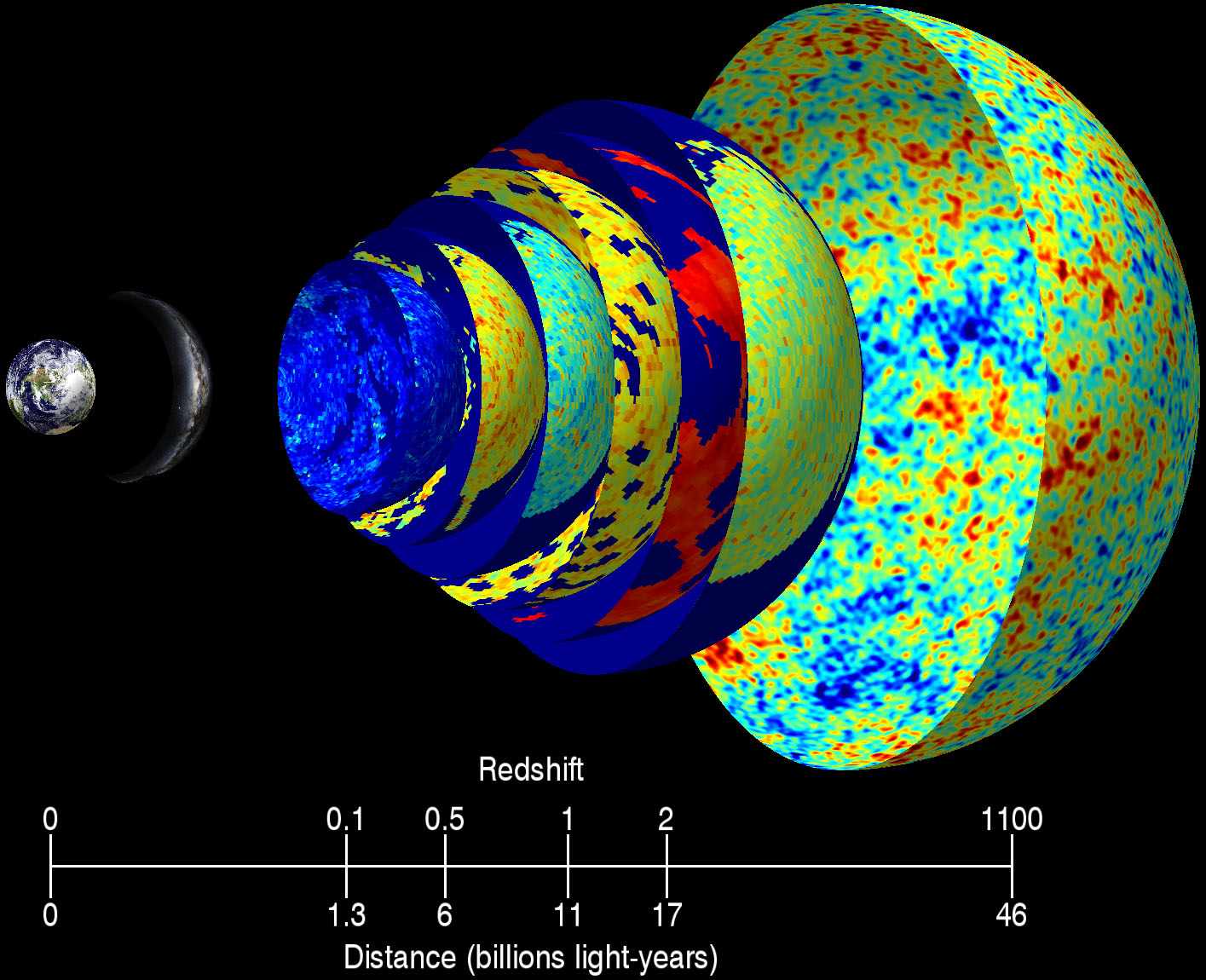
Definition of Cosmic Gamma Rays and Background Light The universe is permeated by a vast array of electromagnetic radiation, among which gamma rays represent the highest-energy photons. These gamma rays originate from some of the most extreme and energetic astrophysical processes, providing critical insights into cosmic phenomena. Alongside gamma rays, the cosmic background light encompasses […]

Read More →

EU Clashes with US Over Atmosphere Testing: Science Meets Politics

Overview of the EU-US Atmospheric Testing Debate The ongoing dialogue between the European Union (EU) and the United States (US) concerning atmospheric testing represents a complex intersection of scientific investigation and political strategy. As global concerns about climate change and environmental harm intensify, these two influential entities find themselves engaged in a multifaceted dispute involving […]

Read More →

End of the Line: Farewell to LEP the Giant Collider

Overview of the Large Electron-Positron Collider (LEP) The Large Electron-Positron Collider (LEP) represents a landmark achievement in both engineering and scientific exploration, symbolizing humanity’s relentless pursuit to decode the fundamental workings of the cosmos. Operational at CERN from 1989 until 2000, LEP was a monumental particle accelerator that not only showcased state-of-the-art technology but also […]

Read More →

Europe’s Future Research Facilities: Labs of the Next Century

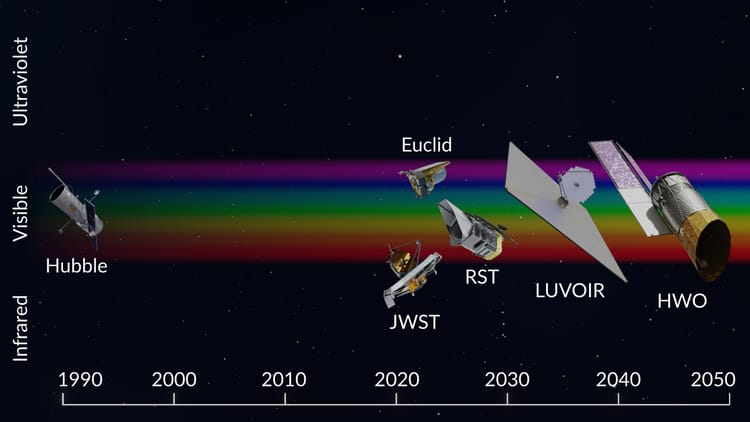
Definition of Future Research Facilities in Europe Future research facilities in Europe are envisioned as advanced centers dedicated to scientific discovery, innovation, and academic excellence. These institutions will serve as dynamic hubs where interdisciplinary collaboration flourishes, integrating cutting-edge technology and sustainable design to foster groundbreaking research across various fields. Conceptualizing Research Laboratories as Ecosystems Imagine […]

Read More →

General Relativity Passes a New Test: A Galaxy Study Confirms Einstein’s Theory

Definition of General Relativity General Relativity is a groundbreaking theory formulated by Albert Einstein that revolutionized our understanding of gravity and the structure of the universe. Unlike classical Newtonian gravity, which views gravity as a force acting at a distance, General Relativity describes gravity as a consequence of the curvature of spacetime caused by mass […]

Read More →

Edge of Understanding: End States Now in View

Definition of End States in Scientific Inquiry The term “end states” refers to the ultimate conditions or configurations that physical systems reach as they evolve over time under the influence of natural laws. These final stages represent the culmination of dynamic processes governed by forces such as gravity, thermodynamics, and quantum mechanics. In essence, end […]

Read More →

EXO-200 Narrows the Search for Majorana Neutrinos

Definition of Majorana Neutrinos Majorana neutrinos are a hypothesized type of neutrino proposed by physicist Ettore Majorana in 1937. Unlike conventional neutrinos, which are distinct from their antiparticles, Majorana neutrinos are theorized to be their own antiparticles. This unique property challenges existing notions of particle-antiparticle symmetry and has profound implications for particle physics and cosmology. […]

Read More →

First Light from an Exoplanet: The Direct Detection of Visible Light

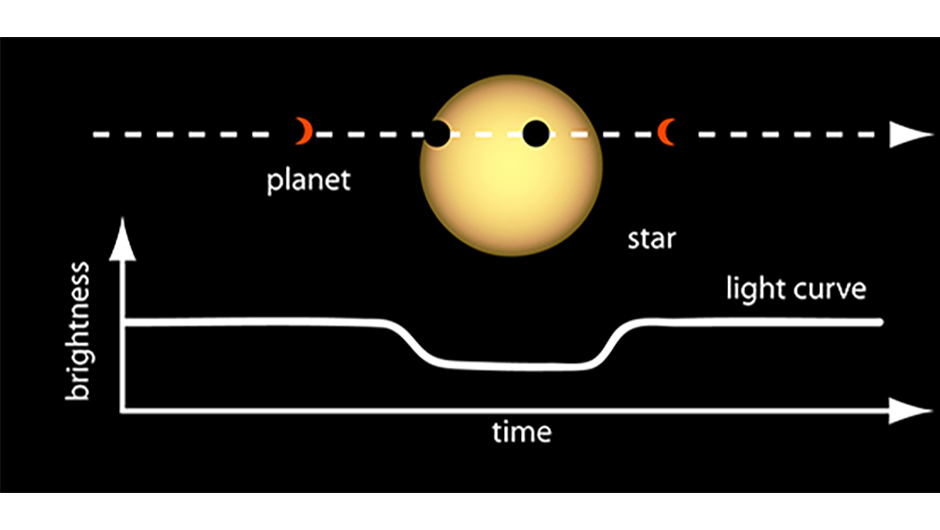
Definition of Exoplanetary Visible Light Detection Exoplanetary visible light detection refers to the direct observation and analysis of light emitted or reflected by planets orbiting stars beyond our solar system. This breakthrough enables scientists to study the atmospheric properties and surface conditions of these distant worlds by capturing their visible light spectra, providing critical insights […]

Read More →