Earthshine Sheds Light on Extrasolar Worlds—Literally

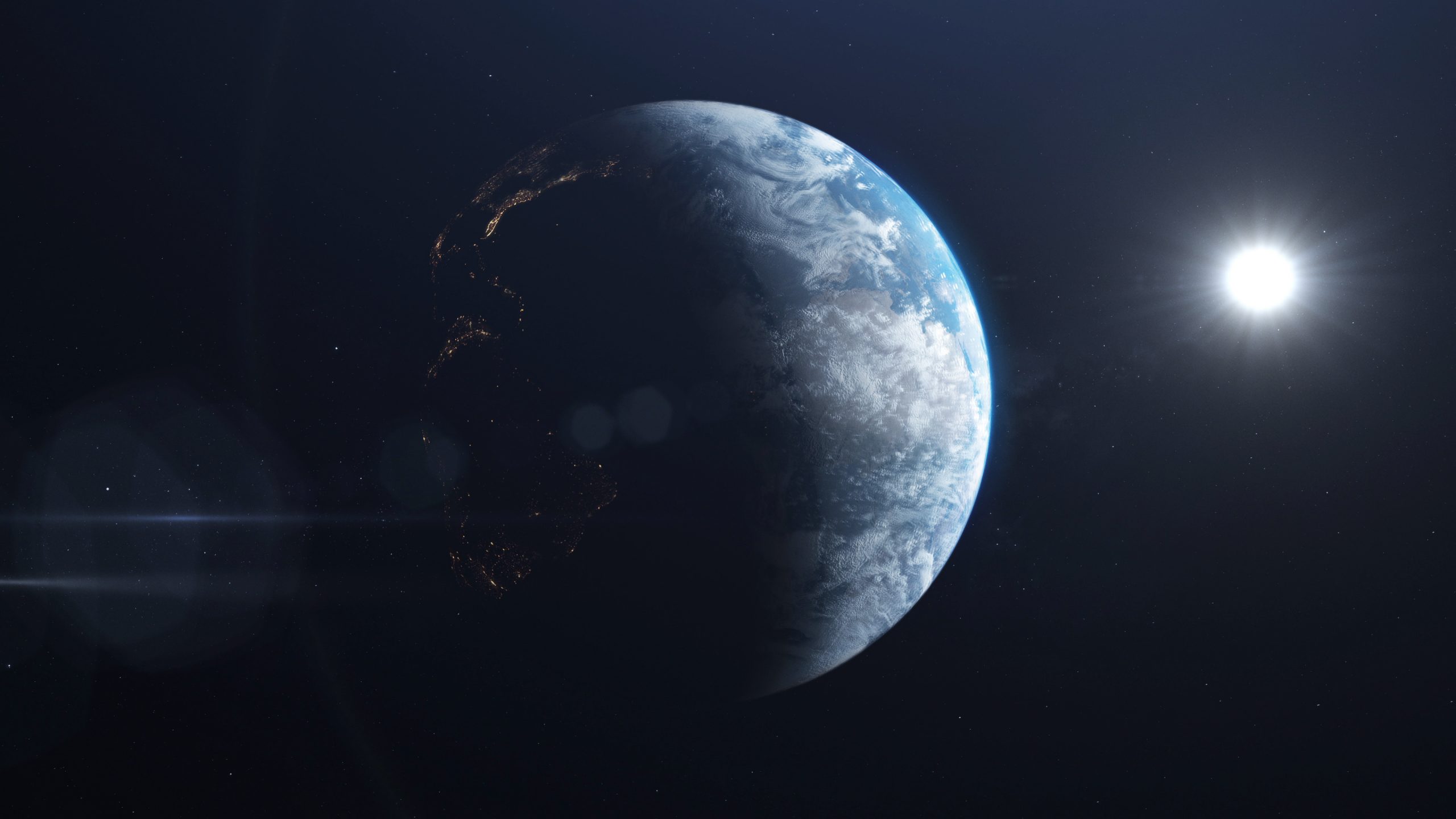
Understanding Earthshine and Its Astronomical Significance Earthshine is an optical phenomenon where the darkened portion of the Moon is faintly illuminated by sunlight reflected off the Earth’s surface. This subtle glow, visible from our planet, offers valuable insights into Earth’s reflective characteristics, such as its albedo-the measure of how much sunlight the planet reflects. Beyond […]

Read More →

No Dark Matter Result—And No Shortage of Controversy

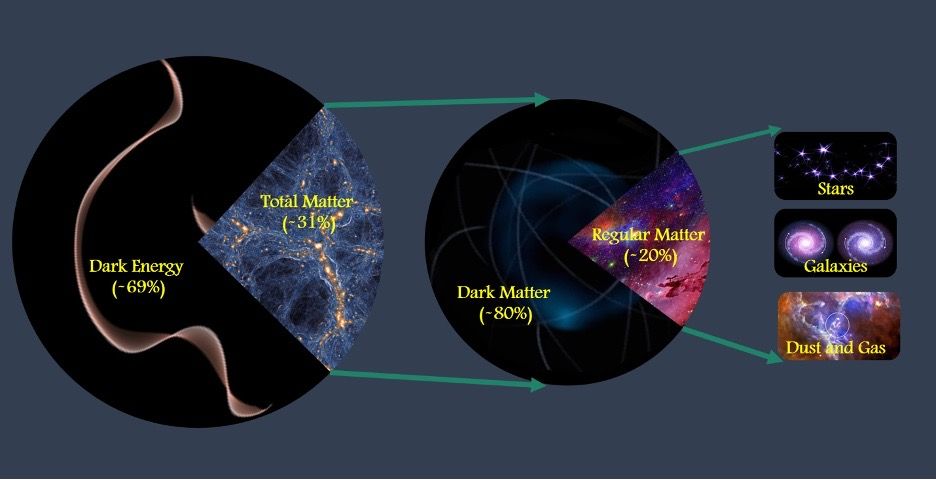
Definition of Dark Matter Dark matter is a hypothetical form of matter that is believed to constitute about 27% of the total mass-energy content of the universe. Unlike ordinary matter, it does not emit, absorb, or reflect light, making it invisible and undetectable through traditional observational methods. Its existence is inferred primarily through its gravitational […]

Read More →

ESA Demands New Funds: Will Europe’s Space Ambitions Survive?

Overview of Europe’s Space Exploration Ambitions In an era marked by geopolitical complexities and rapid technological progress, Europe finds itself at a pivotal moment in its space exploration journey. The European Space Agency (ESA) has recently emphasized the urgent need for increased financial support to advance its goals. This situation raises a critical question: can […]

Read More →

Do Spiral Galaxies Grow From the Inside Out?

Definition of Spiral Galaxies Spiral galaxies are among the most visually striking structures in the cosmos, distinguished by their sweeping spiral arms that radiate outward from a central core. These galaxies captivate both professional astronomers and enthusiasts due to their intricate morphology and dynamic nature. Understanding how spiral galaxies develop and expand-specifically whether their growth […]

Read More →

EU Backs France as ITER Site: A Fusion Milestone for Europe

Overview of the ITER Project and EU Support The European Union has firmly established its strategic commitment by selecting France as the primary location for the International Thermonuclear Experimental Reactor (ITER). This landmark decision represents a significant advancement in the global pursuit of nuclear fusion technology, which aims to replicate the energy-producing processes of the […]

Read More →

Getting the Best Glimpse of First-Generation Stars

Definition of First-Generation Stars First-generation stars, commonly referred to as Population III stars, represent the universe’s earliest stellar inhabitants. Formed from the primordial elements-primarily hydrogen, helium, and trace lithium-these stars are the foundational ancestors of all subsequent stellar populations. Their study is crucial for unraveling the origins of cosmic structures, including gases, galaxies, and the […]

Read More →

Fresh Light on Black Holes

Definition of Black Holes Black holes are extraordinary regions in spacetime where gravitational forces are so overwhelmingly strong that nothing, including light, can escape their grasp. These cosmic entities arise from the collapse of massive stars after they have depleted their nuclear fuel. Black holes are characterized primarily by three fundamental properties: mass, electric charge, […]

Read More →

Bringing the Stars Home: Exoplanet Hunting Hits Earthly Heights

Understanding Exoplanets Exoplanets are planets that orbit stars outside our solar system, representing a frontier in modern astrophysics. These distant worlds captivate scientists and enthusiasts alike, symbolizing humanity’s enduring quest to explore beyond Earth’s boundaries. The phrase “Bringing the Stars Home” encapsulates this pursuit, reflecting not only the act of discovery but also the deep […]

Read More →

Eclipse Confirms Extrasolar Planet—Shadow of a Distant World

Understanding Eclipses in Astronomy An eclipse is a celestial event where one astronomical body moves directly between an observer and another object, causing a temporary blockage or dimming of light. This phenomenon is not only a captivating spectacle but also a vital observational tool in astrophysics. When applied to the study of extrasolar planets-planets orbiting […]

Read More →

The Ghostly Ring That Proves Dark Matter

Definition of Dark Matter Dark matter is a mysterious and invisible form of matter that does not emit, absorb, or reflect light, making it undetectable by conventional electromagnetic observations. It is estimated to make up about 27% of the universe’s total mass-energy composition. Although it cannot be seen directly, its presence is inferred through its […]

Read More →