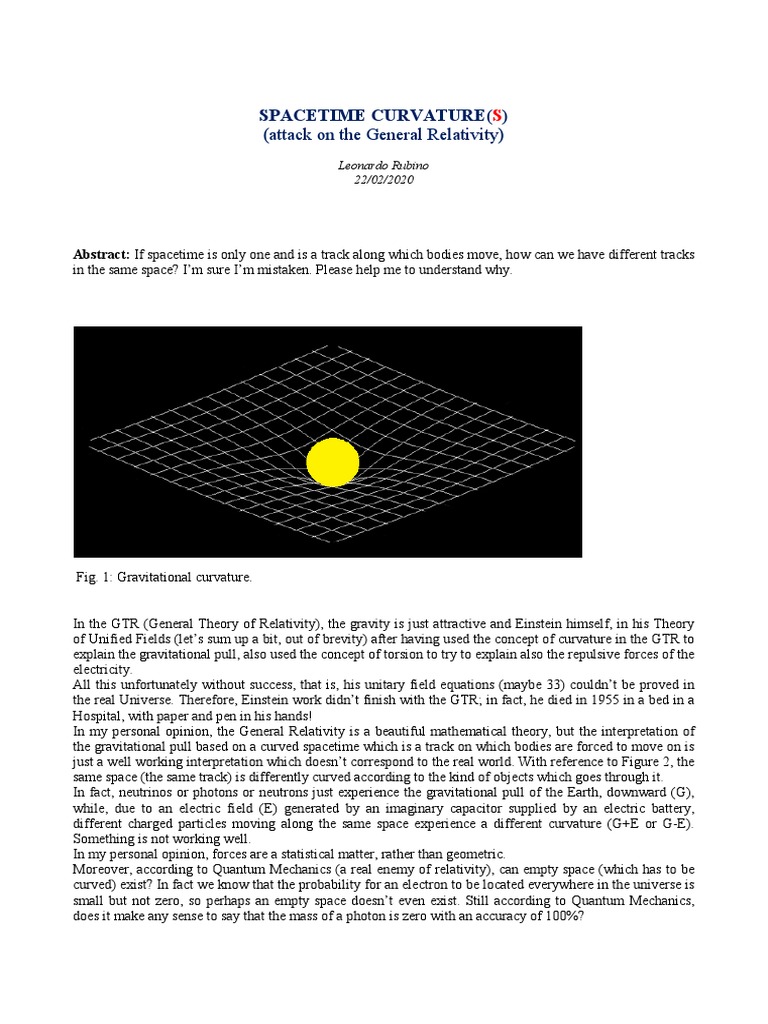
How Space-Time Curvature Creates Gravity

Definition of Gravity and Space-Time Curvature Gravity is a fundamental interaction that governs the attraction between masses, influencing everything from falling objects on Earth to the motion of celestial bodies. Modern physics reinterprets gravity not as a conventional force but as a manifestation of the curvature of space-time-a four-dimensional continuum combining three spatial dimensions with […]

Read More →

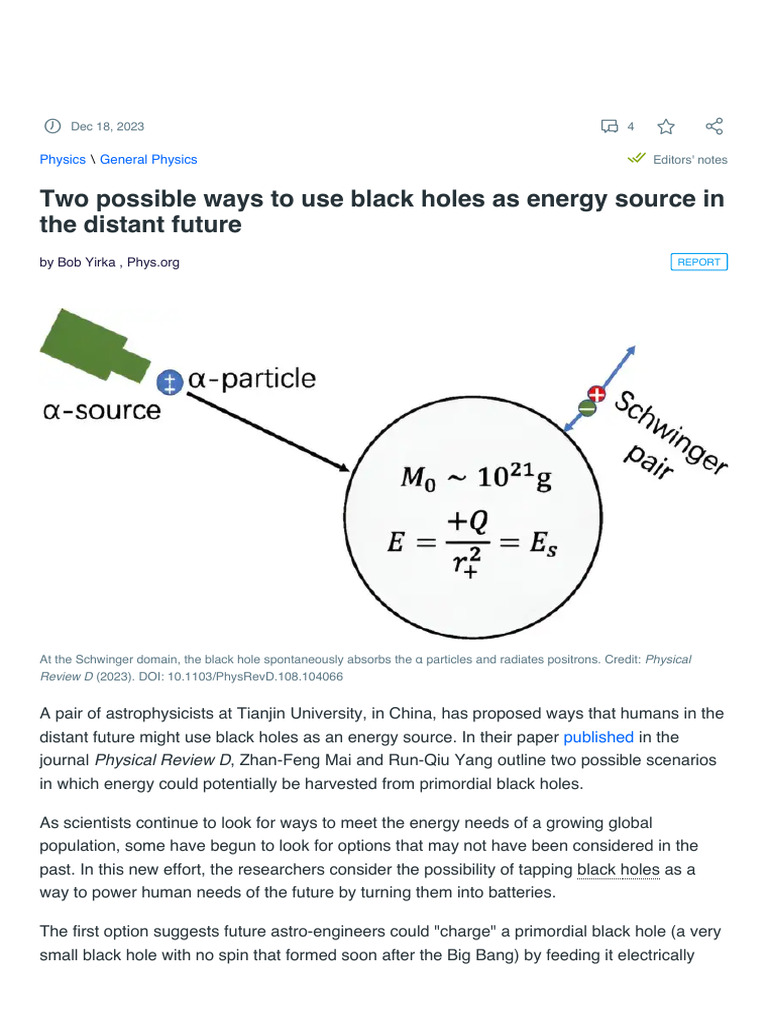
Do Black Holes Create or Destroy Dark Energy?

Understanding Black Holes and Dark Energy Black holes have traditionally been viewed as mysterious cosmic entities that consume everything in their vicinity, including light, making escape impossible beyond their event horizons. Meanwhile, dark energy is recognized as a pervasive force driving the accelerated expansion of the universe. The intriguing question arises: do black holes generate […]

Read More →

Could Black Holes Be Invisible Stars?

Definition of Black Holes as Invisible Stars Black holes are often perceived as mysterious voids in space-celestial objects that absorb all light and matter, rendering them invisible to direct observation. Conceptualizing black holes as “invisible stars” offers a fresh perspective, portraying them not merely as empty spaces but as powerful cosmic entities with significant roles […]

Read More →

Is Gravity the Missing Link Between Dark Matter and Energy?

Understanding Dark Matter and Dark Energy The universe is dominated by two mysterious components: dark matter and dark energy. Together, they constitute roughly 95% of the total mass-energy content of the cosmos, yet their true nature remains elusive. These enigmatic substances challenge our comprehension of the universe, as they cannot be directly observed but are […]

Read More →

What Galaxy Clusters Tell Us About Invisible Matter

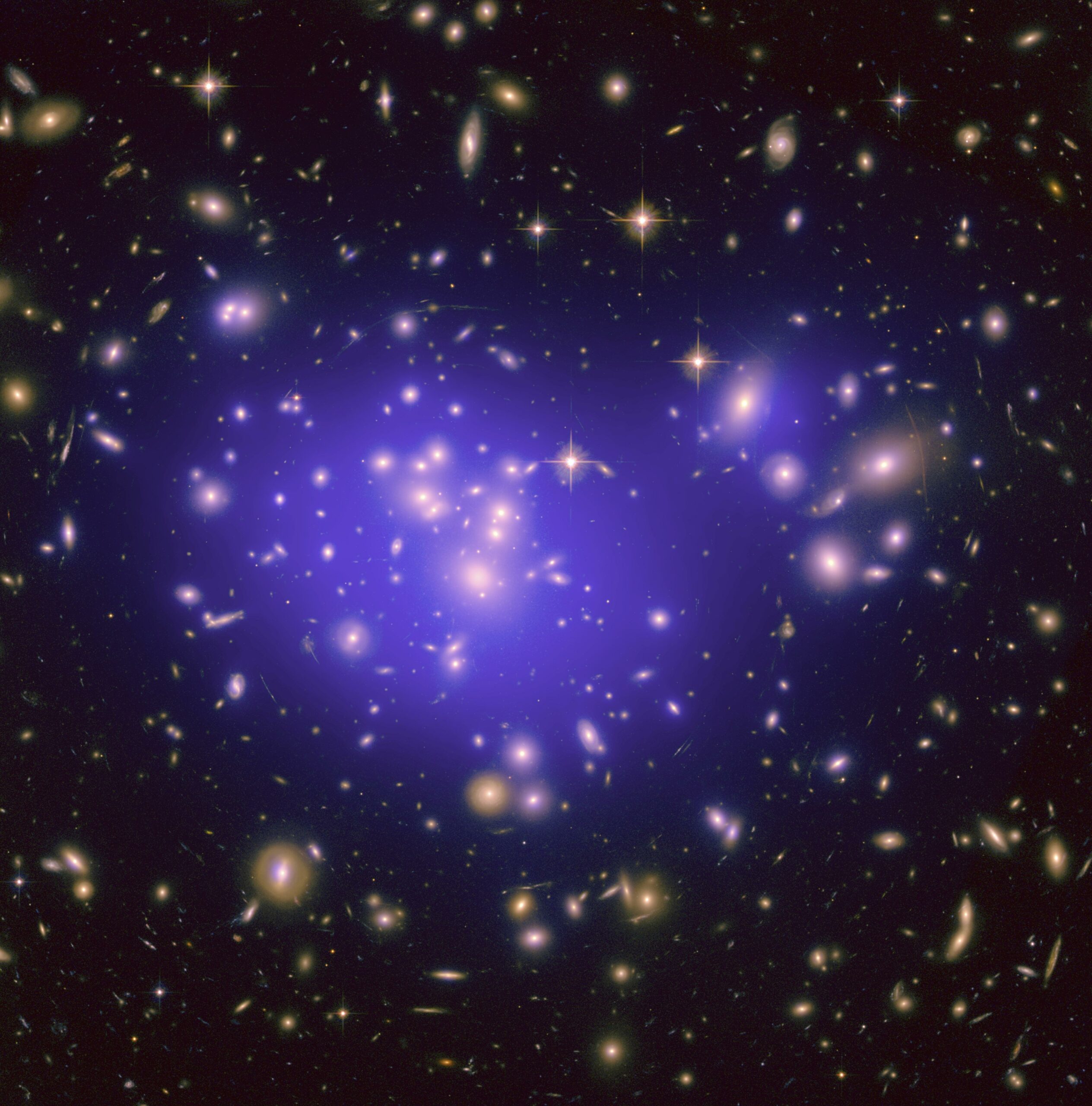
Definition of Galaxy Clusters Galaxy clusters are immense cosmic structures comprising hundreds to thousands of galaxies gravitationally bound together. These vast assemblies span millions of light-years and represent some of the largest known formations in the universe. While they appear as collections of visible matter-such as stars, gas, dust, and galaxies-their true composition extends far […]

Read More →

What Determines the Size of a Planet’s Orbit?

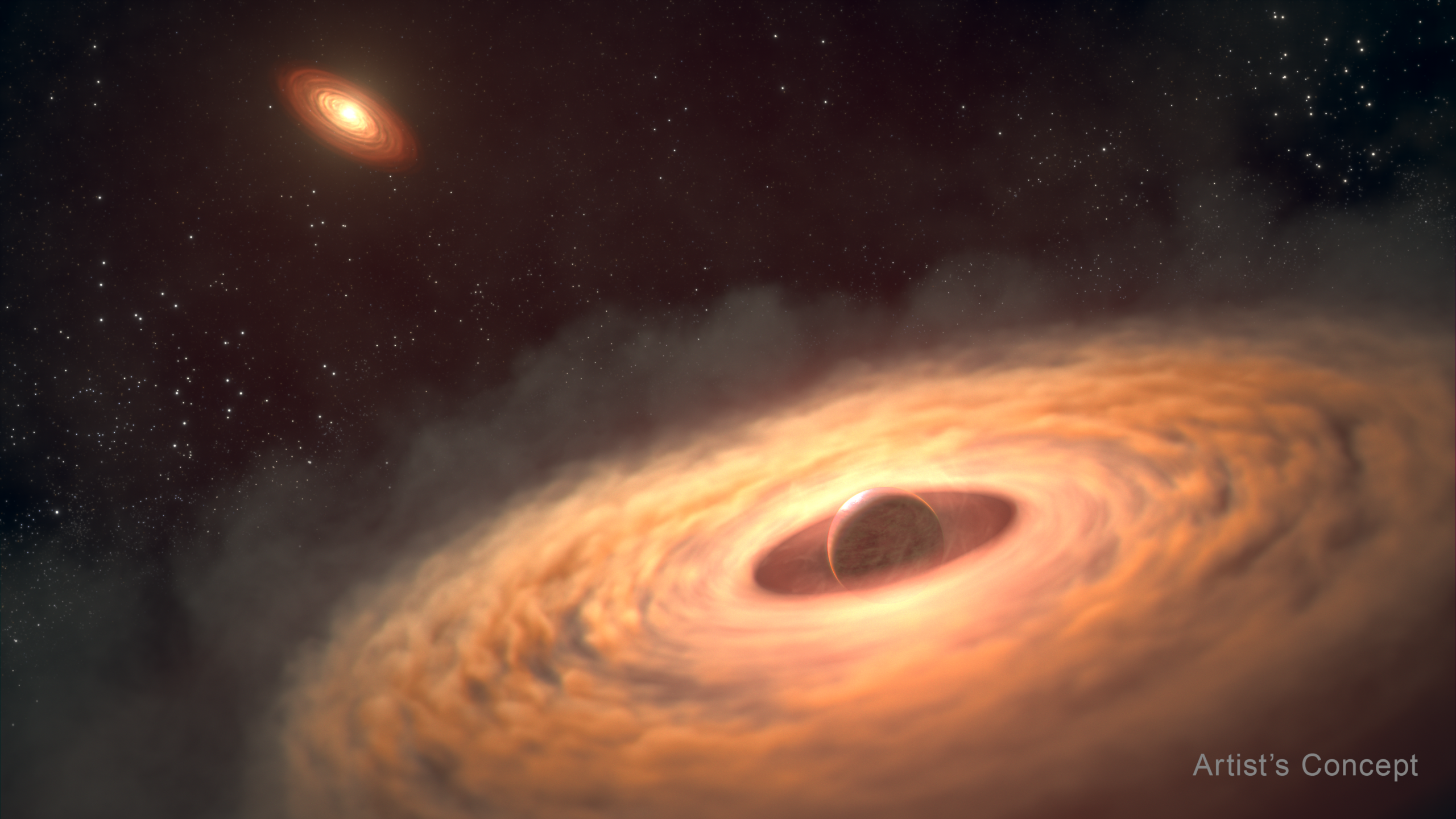
Definition of Planetary Orbit Size The size of a planet’s orbit refers to the average distance between the planet and the star it revolves around, typically measured by the semi-major axis of the elliptical path. This dimension encapsulates the spatial scale of the planet’s trajectory and is a fundamental characteristic in understanding planetary motion within […]

Read More →

What Can X-Ray Astronomy Reveal About the Universe?

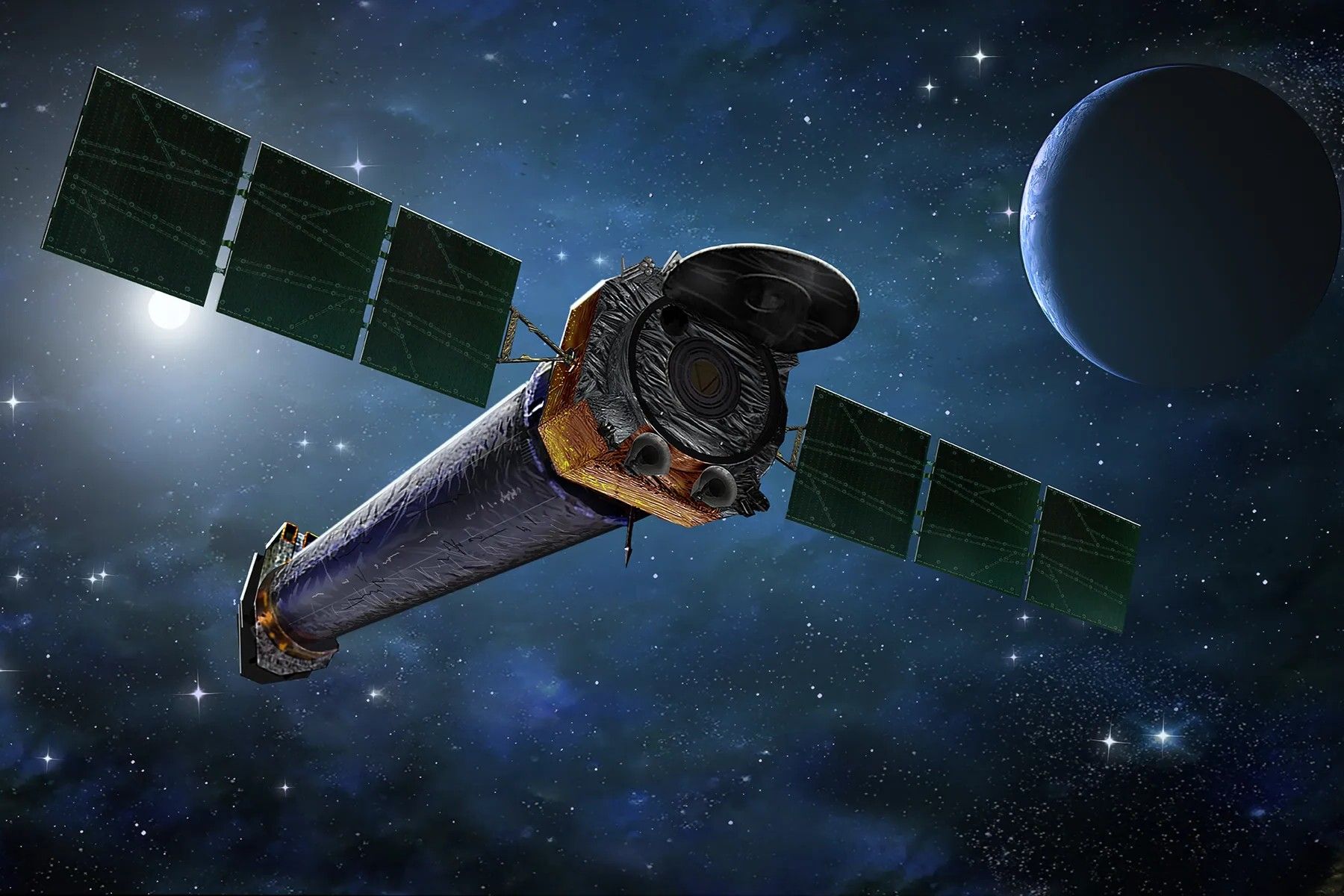
Understanding X-Ray Astronomy X-ray astronomy is a specialized branch of astrophysics that explores the universe through the detection of X-rays emitted by celestial objects and phenomena. Unlike visible light, X-rays are high-energy photons produced by some of the most extreme and energetic processes in space. This field allows scientists to investigate cosmic events and structures […]

Read More →

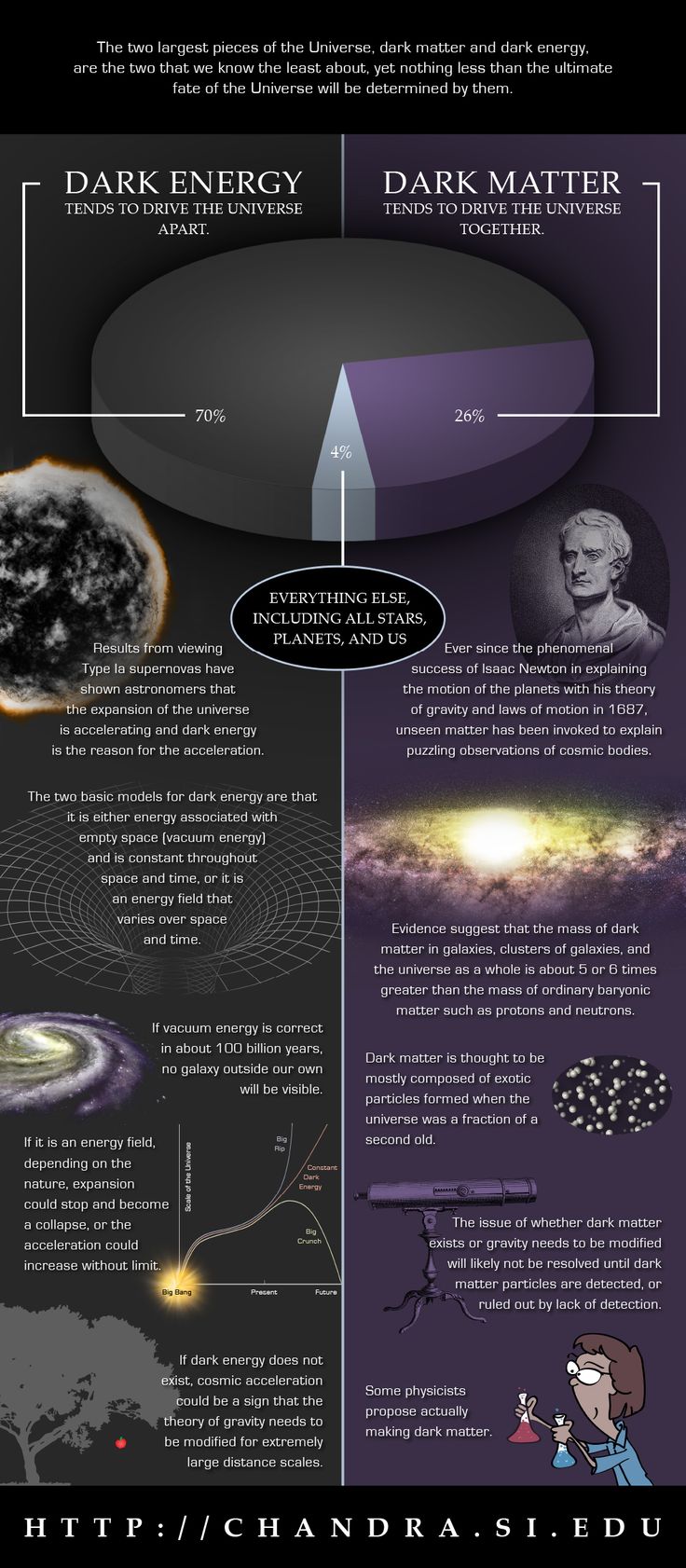
Dark Matter and Dark Energy Explained (In 5 Minutes)

Understanding Dark Matter and Dark Energy The universe we observe-the stars, planets, and galaxies-represents only a small fraction of the total cosmic composition. Beneath this visible layer lies a vast, unseen realm dominated by dark matter and dark energy. These mysterious entities, invisible to our instruments yet omnipresent, govern the structure and evolution of the […]

Read More →