

Short Answer
Definition
The integration of physics within medical education represents a multidisciplinary approach where principles of physical science are applied to enhance the understanding and practice of medicine. This fusion creates a dynamic field that bridges theoretical physics and practical healthcare, fostering innovation and deeper insight into biological systems.
- Medical Physics:
A specialized area where physics concepts are utilized to explain and improve medical technologies and treatments. - Interdisciplinary Study:
The combination of medical knowledge with physics to develop new diagnostic tools, therapeutic methods, and research techniques.
Interconnection Between Medicine and Physics
The relationship between medicine and physics is a complex and synergistic one, where each discipline enriches the other. Medicine provides a practical framework for applying abstract physical laws, while physics offers foundational explanations for biological phenomena. This interplay is evident in various medical technologies and research areas, highlighting the essential role physics plays in advancing healthcare.
Biophysics: The Crossroads of Two Sciences
Biophysics serves as a prime example of this interdisciplinary nexus, where physical principles are employed to decode biological processes. It enables medical professionals to understand the mechanics behind cellular functions, molecular interactions, and physiological systems through the lens of physics.
Enhancing Medical Practice Through Physics
Incorporating physics into medical training significantly improves clinical capabilities. Knowledge of physical laws underpins many diagnostic and therapeutic techniques, making it indispensable for modern healthcare practitioners.
- Diagnostic Imaging:
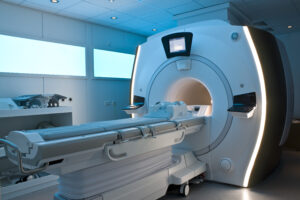
Technologies such as Magnetic Resonance Imaging (MRI) and ultrasound rely on electromagnetic and acoustic physics, respectively, to visualize internal body structures non-invasively. - Surgical Innovations:
Understanding physics aids in the development and application of precision surgical tools and techniques. - Physiological Insights:
Physics helps explain complex bodily functions, such as blood flow dynamics and neural signal transmission.
Developing Analytical and Problem-Solving Skills
The dual study of medicine and physics cultivates advanced critical thinking and analytical abilities. Medical students who engage with physics learn to approach clinical challenges with a scientific rigor akin to that of physicists unraveling complex phenomena, fostering innovative solutions and deeper comprehension.
Challenges in Combining Medical and Physics Education
Balancing the demanding curriculum of medical studies with the rigorous nature of physics can be challenging. Time constraints and workload often limit opportunities for interdisciplinary exploration. However, effective time management and prioritization enable students to integrate physics concepts into their medical education successfully.
Strategies for Integration
- Time Management:
Allocating specific periods for studying physics topics such as electromagnetism, thermodynamics, and quantum mechanics alongside medical coursework. - Prioritization:
Recognizing the complementary value of physics in medicine to maintain motivation and focus.
Historical Contributions and Inspirational Figures
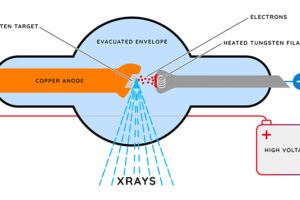
The history of medicine is enriched by physicists whose discoveries have revolutionized healthcare. Figures like Marie Curie exemplify the profound impact of physics on medical advancements, particularly in areas such as radiology and cancer treatment. Their legacies inspire current and future practitioners to pursue interdisciplinary knowledge.
Practical Applications and Research Opportunities
Engaging in medical physics research offers hands-on experience at the intersection of these fields. Areas such as radiation therapy, medical imaging technology, and biomechanical engineering provide fertile ground for innovation and practical application of physics in medicine.
Collaborative Scientific Endeavors
Modern scientific progress increasingly depends on collaboration among physicists, biologists, and clinicians. This cooperative environment fosters the development of cutting-edge technologies like wearable health devices, advanced imaging systems, and AI-driven diagnostic tools, demonstrating the power of interdisciplinary teamwork.
Future Prospects and Importance
Equipping oneself with a solid foundation in both physics and medicine prepares professionals for a healthcare landscape driven by technological innovation. The convergence of these disciplines opens doors to emerging fields such as telemedicine, personalized treatment plans, and regenerative medicine, underscoring the critical role of physics in shaping future medical practices.
Conclusion
Embracing the study of physics alongside medicine is not a conflicting endeavor but a complementary journey that broadens intellectual horizons and professional opportunities. This integrated approach nurtures curiosity, enhances problem-solving skills, and propels advancements in healthcare. Those who pursue this path stand poised to become pioneers at the forefront of medical and scientific innovation, contributing to a healthier and more enlightened society.
FAQ
Is it possible to study physics while in medical school?
Yes, with effective time management, medical students can study physics, especially in areas that complement medicine such as medical physics and biophysics.
What are some practical applications of physics in medicine?
Physics principles are applied in MRI, ultrasound, radiation therapy, and biomechanics to improve diagnosis and treatment.
Who are some pioneers linking physics and medicine?
Marie Curie is a notable pioneer whose work on radioactivity significantly impacted medical imaging and cancer therapy.
What skills does combining physics and medicine develop?
It cultivates critical thinking, analytical reasoning, interdisciplinary research capability, and innovative problem-solving.




Leave a Reply