
Short Answer
Definition and Overview
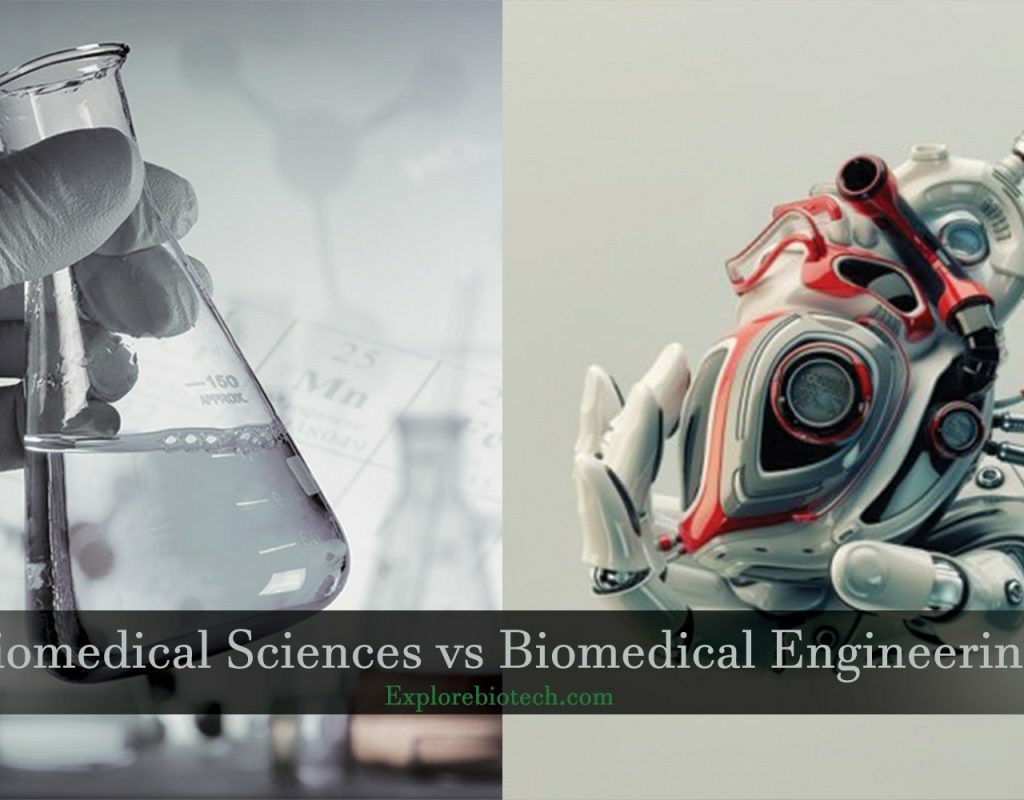
Biomedical engineering and genetics are two pivotal disciplines at the intersection of science and technology, each contributing uniquely to the advancement of human health. While both fields aim to address complex medical challenges, they differ fundamentally in their focus and methodologies. Biomedical engineering integrates engineering principles with biological and medical sciences to develop innovative healthcare technologies. Genetics, on the other hand, is a branch of life sciences dedicated to understanding genes, heredity, and genetic variation in living organisms.
Core Principles of Biomedical Engineering
Biomedical engineering is an interdisciplinary domain that combines engineering techniques with biological knowledge to create solutions that enhance medical care. Professionals in this field design and improve medical devices, develop biomaterials, and construct computational models that simulate physiological processes. The discipline emphasizes practical problem-solving by applying engineering concepts to biological systems, aiming to improve diagnostics, treatment, and patient outcomes.
Fundamentals of Genetics
Genetics focuses on the molecular and cellular mechanisms that govern heredity and genetic diversity. This field explores the structure and function of genes, employing advanced technologies such as CRISPR gene editing and genome sequencing to investigate genetic disorders and develop novel therapies. Geneticists analyze DNA, RNA, and protein interactions to uncover the biological basis of diseases and traits, contributing to personalized medicine and biotechnology.
Educational Pathways and Required Skills
- Biomedical Engineering Education:
Students typically study a combination of engineering disciplines-such as thermodynamics, fluid mechanics, and materials science-alongside biological sciences. Mastery of computer-aided design (CAD) software and knowledge of regulatory standards are essential components of the curriculum. - Genetics Education:
Programs emphasize molecular biology, biochemistry, and bioinformatics, with hands-on training in laboratory techniques like polymerase chain reaction (PCR) and electrophoresis. A strong foundation in statistics is crucial for analyzing genetic data and understanding population genetics.
Career Opportunities and Professional Roles
Both fields offer diverse career paths, though their scopes differ:
- Biomedical Engineering Careers:
Graduates can work as clinical engineers, research and development specialists, or regulatory consultants. Employment settings include hospitals, medical device manufacturers, government agencies, and academic institutions. - Genetics Careers:
Geneticists may pursue roles in clinical laboratories, research centers, or genetic counseling. Emerging areas such as personalized medicine and agricultural biotechnology expand opportunities for biotechnologists, genomic researchers, and laboratory managers.
Ethical and Sociocultural Considerations
Both biomedical engineering and genetics face significant ethical challenges and societal implications:
- Biomedical Engineering Ethics:
Issues include ensuring equitable access to medical technologies, maintaining patient safety, and addressing the societal impact of new devices. - Genetics Ethics:
Concerns revolve around genetic privacy, potential discrimination based on genetic information, and the ethical use of gene editing technologies, especially in the context of eugenics.
Understanding these ethical dimensions is critical, as both fields profoundly influence public health and societal well-being.
Interdisciplinary Collaboration and Integration
The synergy between biomedical engineering and genetics fosters innovative healthcare solutions. For example, genetic insights can guide the customization of biomedical devices, such as prosthetics tailored to an individual’s genetic profile. Advances in bioinformatics, driven by genetic research, enhance the design and functionality of medical technologies. This interdisciplinary collaboration enriches both fields and expands the potential for personalized medicine.
Why Choosing Between Biomedical Engineering and Genetics Matters
Deciding between these two fields requires careful consideration of personal interests and career goals. Biomedical engineering suits those passionate about engineering innovation and practical problem-solving in healthcare technology. Genetics appeals to individuals fascinated by molecular biology and the genetic basis of diseases. Both disciplines offer rewarding opportunities to improve human health and quality of life.
Conclusion: Making an Informed Decision
As healthcare challenges grow increasingly complex, the choice between biomedical engineering and genetics becomes pivotal for aspiring professionals. Each field offers distinct contributions and societal impacts, with growing overlap through interdisciplinary approaches. Prospective students should evaluate their strengths, interests, and long-term aspirations to select the path that aligns best with their vision for contributing to medical science and technology.
FAQ
What is biomedical engineering?
Biomedical engineering is an interdisciplinary field that applies engineering principles to develop medical devices and technologies to improve healthcare.
What does genetics study?
Genetics studies genes, heredity, and genetic variation to understand biological functions and diseases.
What skills are important for biomedical engineers?
Key skills include engineering knowledge, biological sciences, CAD software proficiency, and understanding of regulatory standards.
What technologies are used in genetics?
Technologies include CRISPR gene editing, genome sequencing, PCR, and electrophoresis.
How do ethics play a role in these fields?
Ethics guide responsible development and use of medical technologies and protect genetic privacy and equitable access.




Leave a Reply