Deep Impact: When Physics Goes Hollywood (and Real)

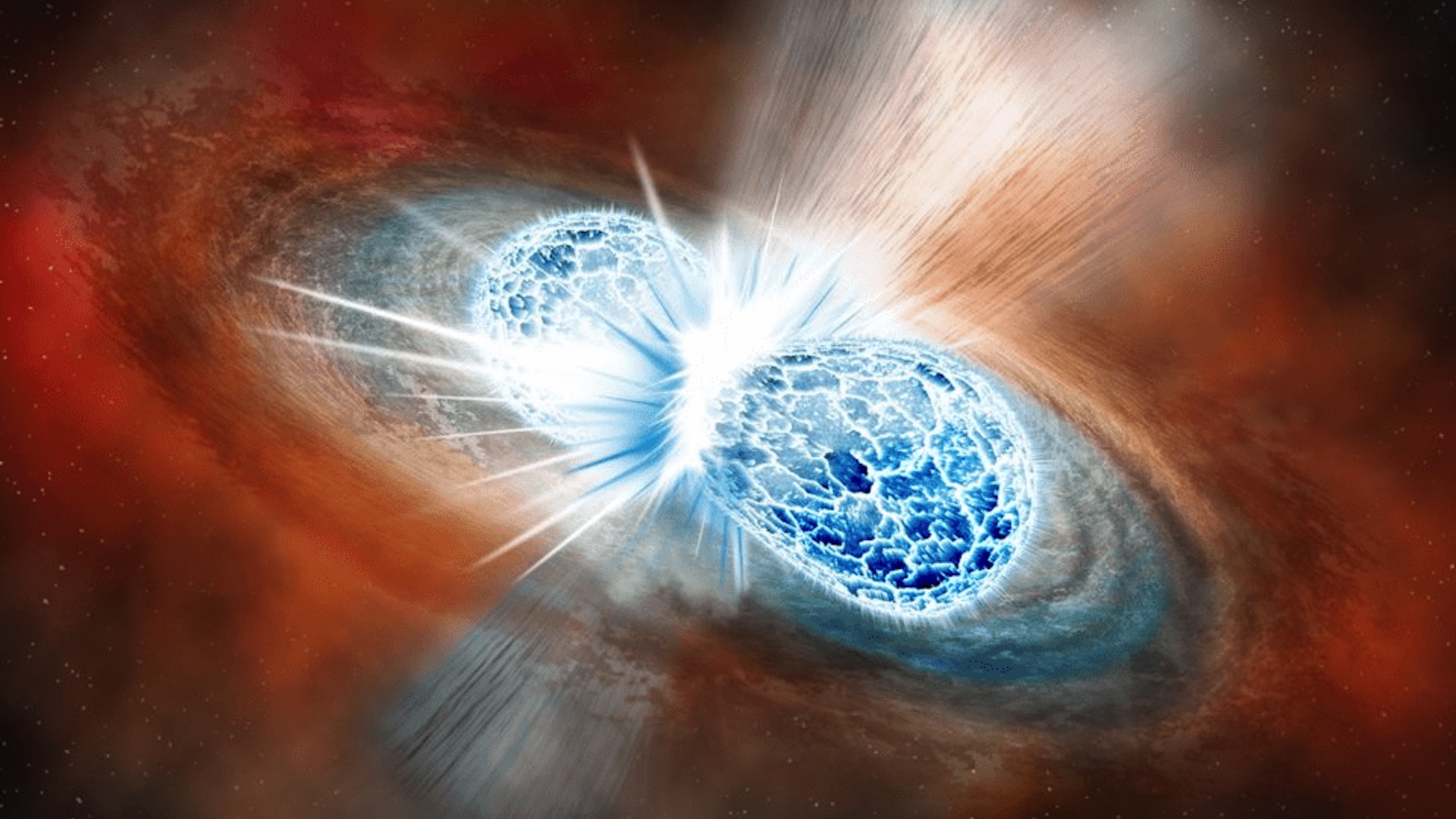
Definition The intersection of physics and cinema represents a unique fusion where scientific concepts are woven into storytelling, creating narratives that balance factual accuracy with imaginative exploration. The 1998 film Deep Impact exemplifies this blend by portraying an impending comet collision with Earth, highlighting the tension between humanity’s vulnerability and its instinct for survival. This […]

Read More →

Timekeepers of the Quantum World: Electrons Clocked at Attoseconds

Understanding Time in Quantum Mechanics In quantum mechanics, the concept of time diverges significantly from the straightforward, linear progression we experience in everyday life. At the quantum scale, events unfold within extraordinarily brief intervals, often imperceptible to conventional measurement. Electrons, fundamental particles within atoms, act as natural chronometers in this microscopic realm, their rapid movements […]

Read More →

No More Mystery: Exotic Explanation for Pioneer Anomaly Dismissed

Definition of the Pioneer Anomaly The Pioneer Anomaly refers to the unexpected deviations in the trajectories of the Pioneer 10 and Pioneer 11 spacecraft as they journeyed through the outer regions of our solar system. First noticed in the late 1970s, this phenomenon puzzled astrophysicists due to the spacecraft exhibiting a small but consistent acceleration […]

Read More →

Graphene-Coated Batteries Boost Performance

Definition of Graphene-Coated Batteries Graphene-coated batteries represent an advanced class of energy storage devices that incorporate graphene-a single layer of carbon atoms arranged in a hexagonal lattice-into their design. This integration leverages graphene’s exceptional electrical, mechanical, and thermal properties to enhance battery performance beyond conventional lithium-ion systems. Graphene: A two-dimensional carbon allotrope known for its […]

Read More →

Earthshine Sheds Light on Extrasolar Worlds—Literally

Understanding Earthshine and Its Astronomical Significance Earthshine is an optical phenomenon where the darkened portion of the Moon is faintly illuminated by sunlight reflected off the Earth’s surface. This subtle glow, visible from our planet, offers valuable insights into Earth’s reflective characteristics, such as its albedo-the measure of how much sunlight the planet reflects. Beyond […]

Read More →

A New Limit on Quantum Gravity from Gamma-Ray Bursts

Definition of Quantum Gravity and Gamma-Ray Bursts Quantum gravity represents a theoretical framework aimed at unifying the principles of general relativity with those of quantum mechanics. This unification seeks to describe gravity according to the laws governing the quantum realm, resolving inconsistencies between the macroscopic and microscopic descriptions of the universe. Gamma-ray bursts (GRBs) are […]

Read More →

No Dark Matter Result—And No Shortage of Controversy

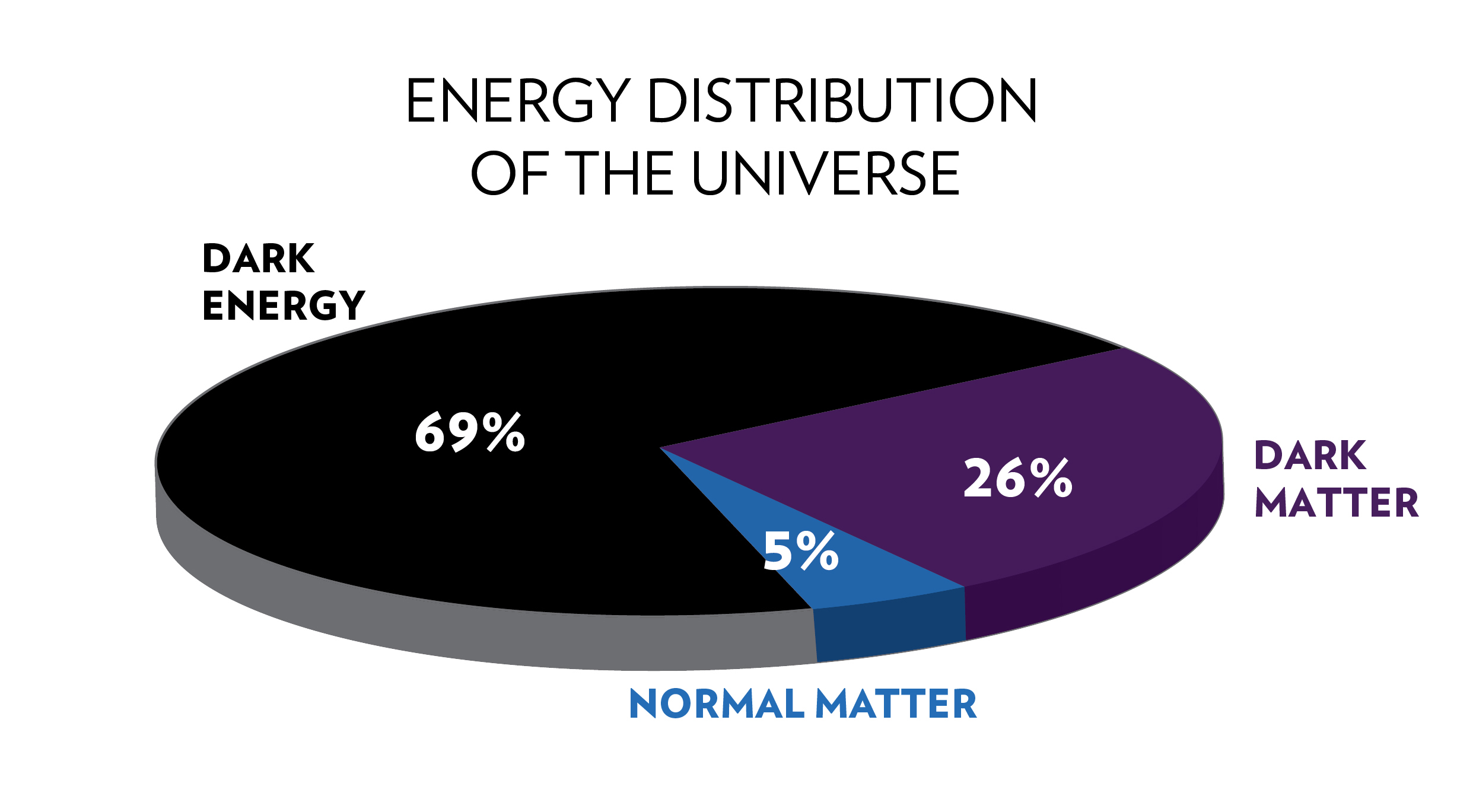
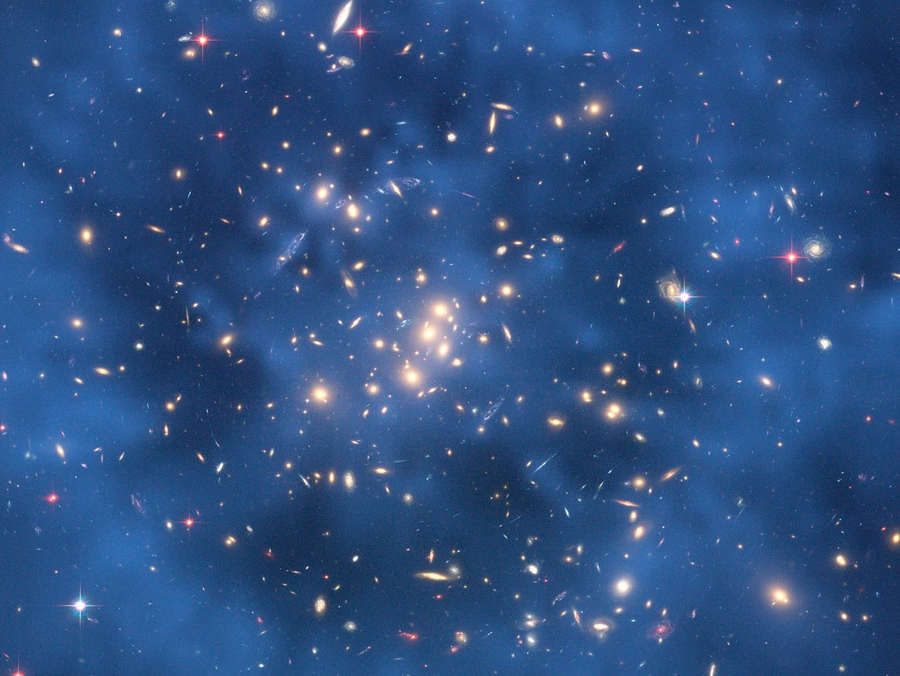
Definition of Dark Matter Dark matter is a hypothetical form of matter that is believed to constitute about 27% of the total mass-energy content of the universe. Unlike ordinary matter, it does not emit, absorb, or reflect light, making it invisible and undetectable through traditional observational methods. Its existence is inferred primarily through its gravitational […]

Read More →

Fossilized Raindrops and the Ancient Climate

Definition of Fossilized Raindrops Fossilized raindrops are tiny impressions left by raindrops that fell onto soft sediment, which later hardened into rock, preserving these delicate marks through geological time. Far from being mere curiosities, these fossilized features serve as valuable records that connect modern scientific observations with the atmospheric conditions of Earth’s distant past. Each […]

Read More →

Dreams of a Quantum Pioneer: Visions Beyond Uncertainty

Understanding Quantum Mechanics and Its Philosophical Dimensions Quantum mechanics, a cornerstone of modern physics, delves into the behavior of matter and energy at the smallest scales. Its principles often challenge conventional wisdom, prompting deep philosophical questions about the nature of reality. One intriguing contemplation is whether the visionary insights of early quantum theorists suffice to […]

Read More →

The World’s First Quantum Computer

Definition of Quantum Computing Quantum computing represents a revolutionary advancement in computational technology, leveraging the principles of quantum mechanics to perform calculations far beyond the capabilities of classical computers. Unlike traditional computing systems that use binary bits, quantum computers utilize quantum bits or qubits, which can exist in multiple states simultaneously, enabling a fundamentally different […]

Read More →