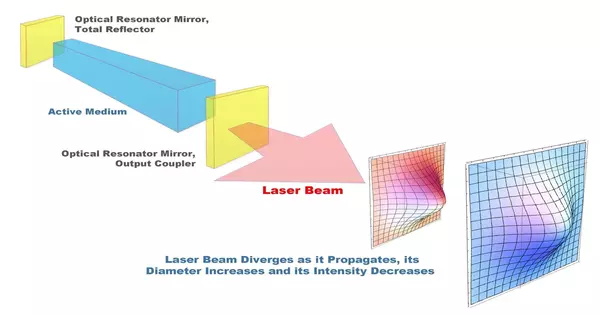
What is an active medium in a laser system?

Definition of Active Medium in Laser Technology An active medium, often referred to as a gain medium, is a fundamental component in laser systems responsible for amplifying light. It consists of atoms, ions, or molecules capable of being excited to higher energy levels. When these excited particles return to their lower energy states, they emit […]

Read More →

What are the things an electronics engineer should know?

Definition of Electronics Engineering Electronics engineering is a vibrant and multifaceted branch of engineering focused on the design, development, and application of electronic circuits, devices, and systems. It integrates principles from various scientific disciplines to create technologies that power modern communication, computing, and control systems. This field demands a broad skill set and a deep […]

Read More →

Meet Michael Founder of Epicodus – LendLayer?

Overview of Michael’s Entrepreneurial Impact In the dynamic realms of technology and entrepreneurship, certain visionaries captivate us not only through their innovations but also through the compelling narratives behind their achievements. Michael, the founder behind Epicodus and LendLayer, exemplifies this blend of passion, insight, and practical innovation. His work spans education and financial technology, offering […]

Read More →

What is quantum computing (qubits)? How does it work?

Definition of Quantum Computing Quantum computing is an innovative computational paradigm that leverages the principles of quantum mechanics to perform calculations far beyond the capabilities of classical computers. At its core, this technology utilizes quantum bits, or qubits, which differ fundamentally from traditional binary bits by enabling complex states and interactions. This revolutionary approach promises […]

Read More →

AEA Looks for Winning Formula: Physics in the Policy Arena

Understanding the Intersection of Physics and Public Policy The dynamic relationship between physics and public policy has increasingly attracted scholarly and practical interest, highlighting the significant role that scientific principles play in shaping societal governance. This connection is especially prominent within institutions such as the American Economic Association (AEA), which actively investigates how empirical scientific […]

Read More →

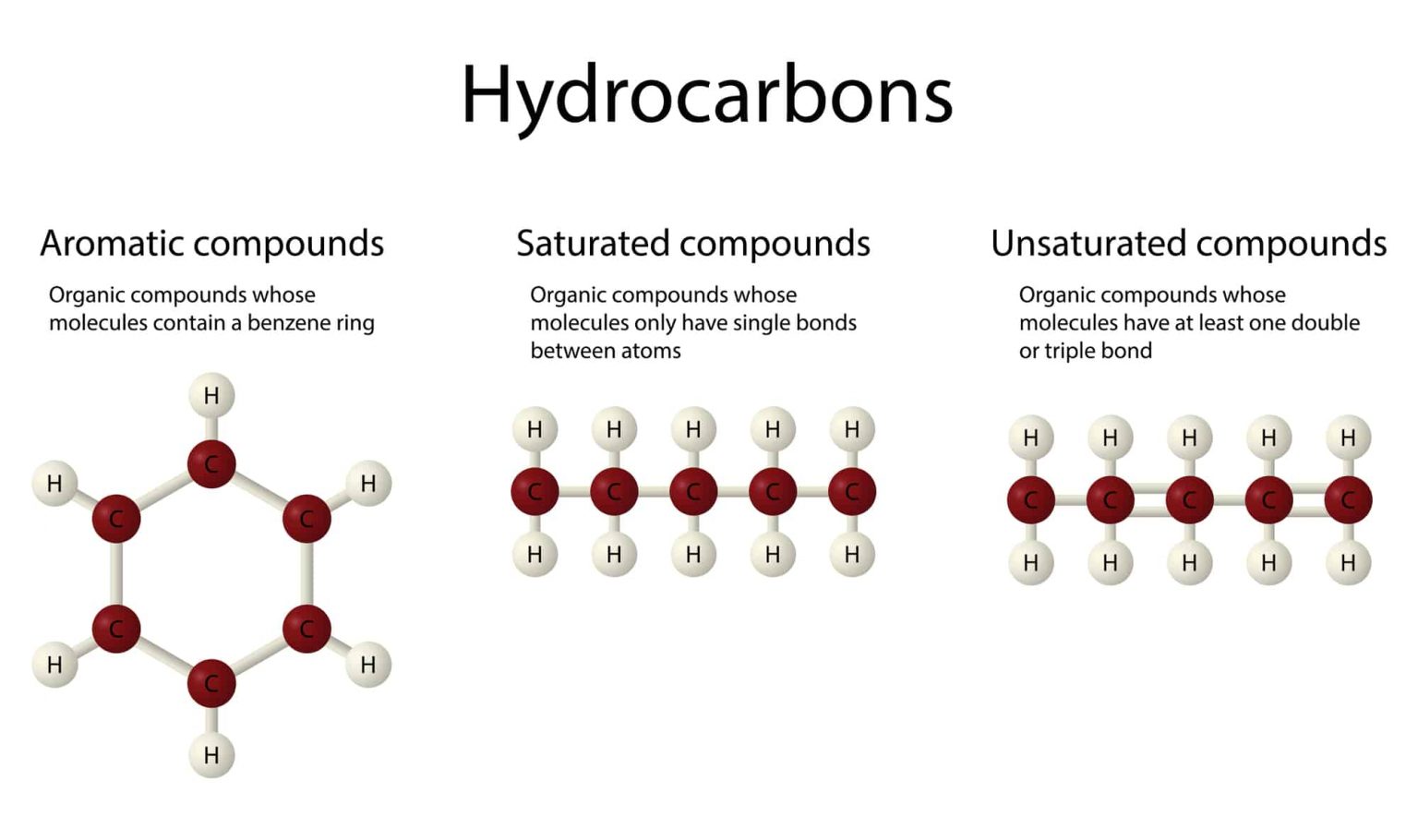
Is a hydrocarbon an atom or a molecule?

Definition of Hydrocarbons Hydrocarbons are organic compounds composed exclusively of carbon and hydrogen atoms. They serve as fundamental molecules in organic chemistry and play a pivotal role in various scientific fields such as materials science, energy production, and biological systems. Unlike atoms, which are the smallest units of matter, hydrocarbons are molecules formed by the […]

Read More →

What do the molecular orbitals of thiamine look like?

Definition and Molecular Composition of Thiamine Thiamine, commonly referred to as vitamin B1, is an essential nutrient that plays a critical role in cellular metabolism. It functions primarily as a coenzyme in the breakdown and utilization of carbohydrates, facilitating energy production within cells. At the molecular level, thiamine is composed of two key heterocyclic structures: […]

Read More →

How are instruments used to measure an electric current?

Definition of Electric Current Measurement Electric current measurement refers to the process of quantifying the flow of electric charge through a conductor over time. This fundamental task is essential in both theoretical physics and practical applications, enabling the monitoring and control of electrical systems. The unit of electric current is the ampere (A), which represents […]

Read More →

Can a particle accelerator be used as an energy source?

Definition of Particle Accelerators Particle accelerators are sophisticated devices designed to propel charged subatomic particles, such as protons and electrons, to extremely high velocities-often approaching the speed of light. These machines are fundamental tools in modern physics, enabling scientists to explore the fundamental components and forces of the universe by inducing high-energy collisions between particles. […]

Read More →

What are the hot research topics for nanotechnology?

Understanding Nanotechnology Nanotechnology is a multidisciplinary field that intersects physics, chemistry, and biology, focusing on the manipulation and study of materials at the nanoscale-approximately one billionth of a meter. At this scale, substances exhibit distinct physical and chemical behaviors that differ significantly from their bulk counterparts, opening vast opportunities for innovative research and applications across […]

Read More →