What are some problems with quantum computing?

Understanding Quantum Computing Challenges Quantum computing, once a purely theoretical concept within physics, has rapidly evolved into a cutting-edge field with the potential to transform numerous sectors, including cryptography, drug discovery, and complex simulations. Despite its promise, the path to practical quantum computers is fraught with significant obstacles. This article explores the primary challenges impeding […]

Read More →

Can molecules form chemical bond?

Definition of Chemical Bonds Chemical bonds are the fundamental forces that hold atoms together within molecules, enabling the formation of diverse substances. These bonds arise from interactions between electrons in atoms, resulting in stable molecular structures. Understanding chemical bonding is essential to grasp how atoms combine to form the myriad compounds found in nature and […]

Read More →

What is the strongest human created light source?

Understanding Artificial Light Sources Artificial light sources are human-engineered devices designed to emit light for various applications, ranging from everyday illumination to advanced scientific research. Over time, these sources have evolved dramatically, reflecting technological progress and expanding the boundaries of what is achievable in light intensity and efficiency. Historical Evolution of Electric Lighting The journey […]

Read More →

What is a diagram of a 7 hydrogen atom?

Definition of a Hydrogen Atom and Its Variants A hydrogen atom is the most fundamental and prevalent element in the universe, traditionally composed of a single proton at its nucleus orbited by one electron. This simplicity makes hydrogen the cornerstone of atomic theory and chemistry. However, when considering a hypothetical atom described as having seven […]

Read More →

Will atomic watches work well in India?

Understanding Atomic Watches Atomic watches represent a pinnacle of precision in timekeeping technology, utilizing the natural oscillations of atoms to maintain exceptional accuracy. These devices typically rely on the vibrations of cesium or rubidium atoms, which oscillate at extremely stable frequencies. For example, cesium atoms vibrate at a rate of 9,192,631,770 cycles per second, enabling […]

Read More →

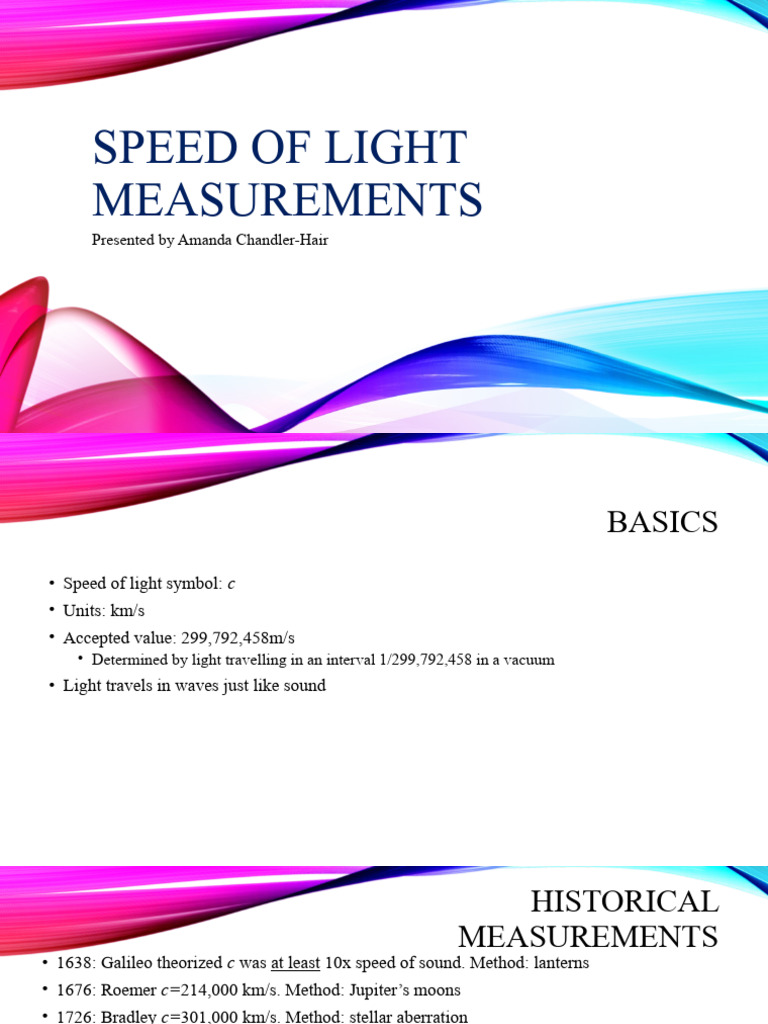
Which instrument is used to measure the speed of light?

Definition of the Speed of Light The speed of light is a fundamental constant in physics, representing the maximum velocity at which electromagnetic waves propagate through a vacuum. It is approximately 299,792 kilometers per second (about 186,282 miles per second). This constant underpins many scientific theories and principles, serving as a cornerstone in fields ranging […]

Read More →

How do knives cut? – Love Health & Passion?

Definition of Knife Cutting Knife cutting is more than a simple mechanical action; it is a complex interplay of physics, material science, and human intention. This process involves a blade interacting with various substances, transforming them through precise application of force. The act of cutting is fundamental in culinary arts and health-conscious cooking, symbolizing both […]

Read More →

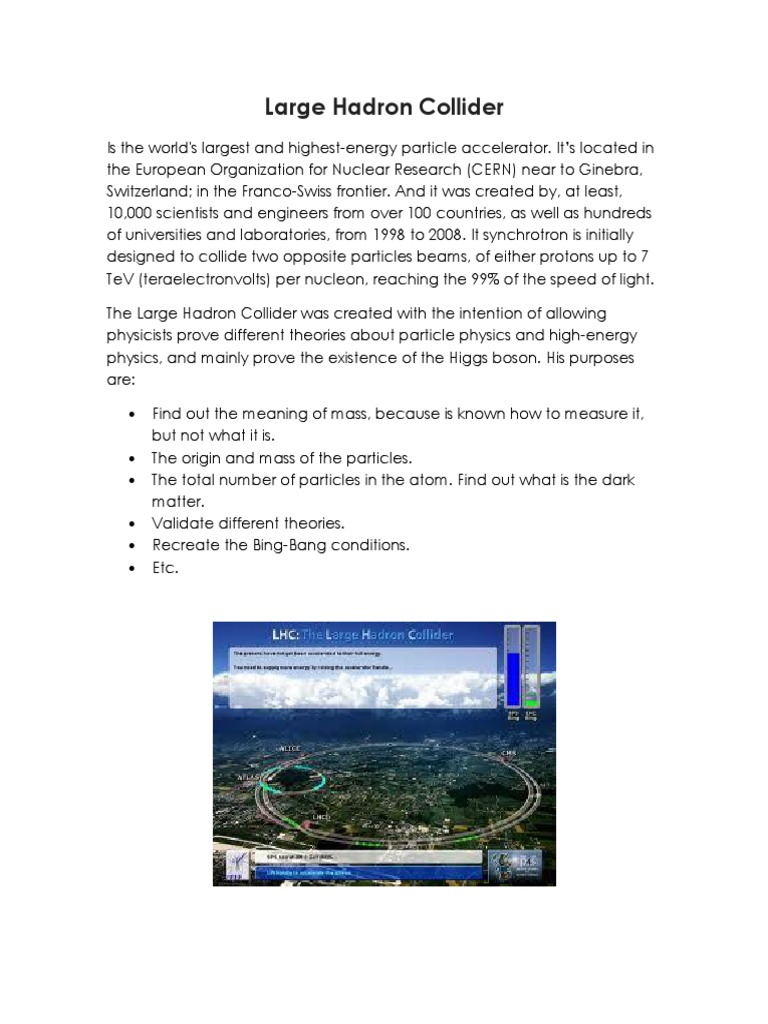
What are the risks of using The Large Hadron Collider?

Definition and Overview of the Large Hadron Collider The Large Hadron Collider (LHC) represents a pinnacle of human scientific achievement, designed to probe the fundamental components and forces that constitute the universe. Situated at CERN, this colossal particle accelerator enables physicists to conduct experiments at unprecedented energy levels, aiming to unlock the secrets of matter, […]

Read More →

How to become a better reader?

Definition of Reading and Its Importance Reading is both a refined art and a practical skill that, when nurtured, fosters significant intellectual development and deeper understanding. Despite its importance, many individuals engage with texts only superficially, missing out on the richness that thorough reading can provide. To elevate the reading experience, it is crucial to […]

Read More →

Where is the atomic clock located?

Definition of Atomic Clocks Atomic clocks are highly precise timekeeping instruments that rely on the consistent oscillations of atoms to measure time. Unlike traditional clocks, which use mechanical or electronic oscillators, atomic clocks exploit the natural frequency of atomic transitions, providing unparalleled accuracy. These devices are essential in numerous scientific and technological domains, including telecommunications, […]

Read More →