
Short Answer
Definition
The question of whether physicians lose their effectiveness without access to medical laboratories and radiological technologies probes the core of medical practice. It challenges the perception of doctors as mere operators of diagnostic devices versus their intrinsic value as skilled clinicians. This debate highlights a fundamental inquiry: are doctors simply dependent on modern diagnostic tools, or do they possess essential expertise that transcends technological aids?
Historical Perspective on Medical Practice
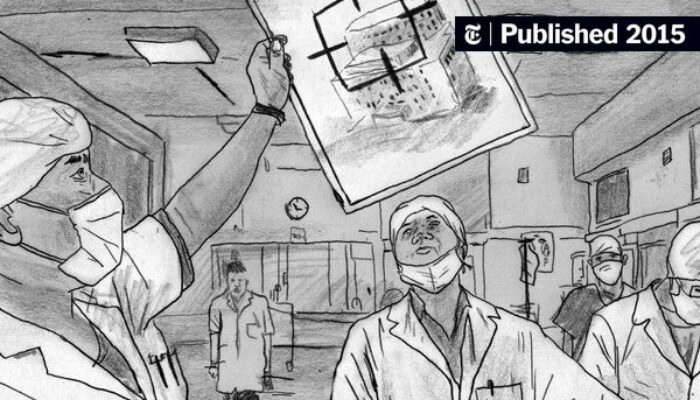
Historically, before the emergence of advanced diagnostic technologies, physicians relied predominantly on clinical skills and observational techniques. Medical practitioners functioned much like detectives, using patient history, physical examinations, and careful observation to identify illnesses. These foundational methods formed the backbone of diagnosis long before the introduction of laboratory tests and imaging modalities.
Modern Diagnostic Technologies and Their Impact
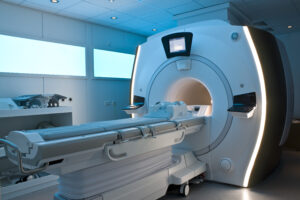
In contemporary medicine, the use of diagnostic laboratories and radiological imaging-such as MRI, CT scans, and ultrasounds-has become integral. These technologies provide rapid, precise insights that enhance diagnostic accuracy and patient care. However, this reliance raises an important question: does the increasing dependence on technology diminish the physician’s fundamental role in diagnosis and treatment?
The Physician’s Role Beyond Technology
Medicine is not solely about interpreting test results. Physicians bring a comprehensive skill set that includes synthesizing clinical information, understanding patient narratives, and integrating psychosocial factors into care plans. Experienced doctors often arrive at accurate diagnoses through detailed history-taking and clinical judgment, even when diagnostic tools are unavailable.
Clinical Judgment and Decision-Making
Medical education equips doctors to make informed decisions despite incomplete data. This ability is crucial in cases where symptoms are ambiguous, such as differentiating between complex migraines and serious neurological conditions like brain tumors. The capacity for intuitive reasoning and clinical insight remains vital, especially in settings lacking immediate diagnostic support.
Limitations of Over-Reliance on Technology
While diagnostic tests offer valuable information, they are not infallible. False positives and negatives can lead to unnecessary treatments or missed diagnoses. Excessive dependence on technology may inadvertently erode physicians’ evaluative skills. Balancing technological advancements with traditional clinical expertise is essential to optimize patient outcomes.
The Biopsychosocial Model and Human Connection
Health encompasses biological, psychological, and social dimensions. Physicians, even without advanced diagnostic tools, excel at building therapeutic relationships that foster trust and empathy. These human elements can significantly influence recovery and wellbeing, sometimes surpassing the benefits of high-tech diagnostics.
Symbiosis Between Physicians and Diagnostic Tools
The relationship between doctors and medical technology is collaborative rather than competitive. Laboratories and imaging services enhance physicians’ capabilities by providing detailed analyses and visualizations that inform treatment decisions. This synergy allows healthcare providers to focus more on patient-centered care while leveraging technological insights.
Specialized Roles: The Radiologist Example
Radiologists exemplify the integration of technology and medical expertise. They interpret complex imaging studies, combining technical knowledge with clinical understanding to guide patient management. Their role underscores that neither physicians nor diagnostic tools function effectively in isolation; both are indispensable components of modern healthcare.
Why Physicians Remain Indispensable
Ultimately, the question of doctors’ effectiveness without diagnostic support leads to a broader reflection on the essence of medical practice. Despite technological progress, qualities such as compassion, analytical thinking, and clinical reasoning remain irreplaceable. Effective healthcare depends on the harmonious interaction between human expertise and technological innovation.
Future Directions in Medical Training
Preparing future physicians requires a balanced emphasis on technological proficiency and enduring clinical skills. Technology should be viewed as an aid rather than a substitute for medical judgment. The core of medicine lies in the human experience, ensuring that doctors continue to serve as essential guardians of patient health, regardless of the tools available.
FAQ
Do doctors need access to labs and radiology to be effective?
While diagnostic tools enhance accuracy, doctors’ clinical skills and judgment are crucial for effective patient care.
What role does technology play in modern medicine?
Technology aids in diagnosis but should complement, not replace, the clinician’s expertise.



Leave a Reply