

Short Answer
Understanding DNA and Its Role in Molecular Robotics
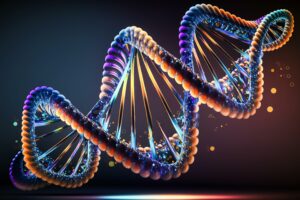
Deoxyribonucleic acid (DNA) is the fundamental molecule that carries genetic instructions essential for the development and functioning of living organisms. Structurally, DNA is composed of long chains of nucleotides arranged in a distinctive double-helix formation, which provides both stability and flexibility. This unique architecture not only enables efficient storage of genetic information but also allows DNA to undergo dynamic structural changes. Such properties make DNA an exceptional material for constructing nanoscale machines, as it offers adaptability and reconfigurability far beyond traditional engineering materials, which tend to be rigid and uniform.
Principles of DNA-Based Molecular Robotics
Molecular robotics harnesses the self-assembling nature of DNA to create intricate nanostructures capable of performing specific tasks. Unlike conventional robots built from solid components with fixed functions, DNA robots exploit the molecule’s ability to fold and organize into complex shapes through a process known as DNA origami. This technique involves designing short DNA strands that scaffold into two- and three-dimensional frameworks, which can then be functionalized with biomolecules or synthetic elements. These DNA-based constructs can respond to environmental cues, enabling them to act as programmable, responsive agents at the molecular scale.
Challenges in Designing Molecular Robots
Operating at the nanometer scale introduces unique difficulties that differ significantly from those encountered in macroscopic robotics. Forces such as van der Waals interactions, Brownian motion, and molecular binding dominate at this scale, requiring a deep understanding of molecular physics and biochemistry to engineer effective actuators and control mechanisms. Precise coordination of molecular movements is critical; even minor deviations or unintended reactions can compromise the entire system’s functionality. Additionally, integrating biological molecules like DNA with synthetic components raises questions about maintaining system stability and compatibility, necessitating interdisciplinary expertise in chemistry, biology, and materials science.
Interfacing Biological and Synthetic Systems
The fusion of biological macromolecules with electronic or synthetic parts presents a complex interface that must preserve the integrity and functionality of DNA-based devices. Achieving this requires comprehensive knowledge of biochemical interactions and the development of hybrid materials that can bridge the gap between living systems and engineered components. Success in this area could lead to molecular robots capable of executing sophisticated tasks, such as sensing, computation, and actuation, within biological environments.
Ethical Considerations in DNA Molecular Robotics
The manipulation of genetic material for robotic applications raises significant ethical questions. Concerns include the potential consequences of altering life’s fundamental building blocks and the societal impact of deploying bioengineered devices. It is crucial for the scientific community to engage in open dialogue about these issues, balancing innovation with responsibility. Applications such as targeted drug delivery and advanced diagnostics hold great promise but also carry risks related to misuse or unintended effects. Transparent regulation and public involvement are essential to navigate these ethical landscapes.
Potential Applications and Future Prospects
DNA-based molecular robots offer transformative possibilities across medicine, environmental science, and technology. For instance, nanoscale robots could travel through the human bloodstream to identify and neutralize pathogens or deliver drugs with pinpoint accuracy, revolutionizing disease treatment. Beyond healthcare, these devices might detect and remediate environmental toxins autonomously, contributing to ecological restoration. Although these concepts may seem futuristic, ongoing research is steadily advancing toward practical implementations.
Programming Intelligence at the Molecular Level
One of the most intriguing challenges in molecular robotics is embedding adaptive intelligence into DNA-based systems. While traditional robots utilize complex algorithms and machine learning to process information and make decisions, replicating such capabilities at the molecular scale is profoundly complex. Developing frameworks that allow molecular robots to sense their environment, learn from stimuli, and modify their behavior in real time could redefine the boundaries of robotics and artificial intelligence.
Collaborative Efforts and Multidisciplinary Integration
Progress in DNA molecular robotics depends on the collaboration of experts from diverse fields, including biology, engineering, chemistry, ethics, and computational science. This interdisciplinary approach is vital to address the technical, ethical, and regulatory challenges inherent in this emerging domain. Furthermore, involving policymakers, industry leaders, and the public ensures that development proceeds transparently and responsibly, aligning innovation with societal values.
Conclusion: The Path Forward in DNA Molecular Robotics
The integration of DNA into molecular robotics represents a groundbreaking frontier with the potential to revolutionize multiple industries and enhance human well-being globally. While the journey is filled with scientific and ethical complexities, it also offers unparalleled opportunities for innovation. The future of DNA-based molecular machines hinges on our ability to combine intellectual rigor, ethical foresight, and creative problem-solving. As research advances, the full scope of DNA’s capabilities in this realm will gradually unfold, shaping the next era of technological evolution.
FAQ
What is DNA-based molecular robotics?
DNA-based molecular robotics refers to the use of DNA molecules to construct nanostructures that can perform specific tasks at the molecular level.
What are the potential applications of molecular robots?
Molecular robots have potential applications in medicine for drug delivery, in environmental science for toxin detection, and in technology for advanced diagnostics.



Leave a Reply