
Short Answer
Overview of Radiation Oncology
Radiation oncology is a specialized branch of medicine focused on the therapeutic use of radiation to treat cancer. This discipline integrates precise technological application with compassionate patient care, aiming to control or eradicate malignant tumors while minimizing harm to healthy tissues. Radiation oncologists play a critical role in cancer management, combining scientific knowledge, clinical expertise, and emotional support to optimize patient outcomes.
Daily Responsibilities of a Radiation Oncologist
The typical workday of a radiation oncologist begins with reviewing ongoing treatment plans and assessing patient progress. Each patient’s response to therapy can vary, requiring the oncologist to continuously adjust protocols to ensure effectiveness. Morning multidisciplinary rounds are a key feature, where collaboration with radiologists, medical oncologists, and surgeons facilitates comprehensive care planning.
Throughout the day, radiation oncologists conduct patient consultations that go beyond clinical discussions. Building trust and addressing emotional concerns such as anxiety, side effects, and prognosis are essential components of these interactions. Effective communication, marked by empathy and clarity, helps create a supportive environment conducive to healing.
Fundamentals of Radiation Therapy
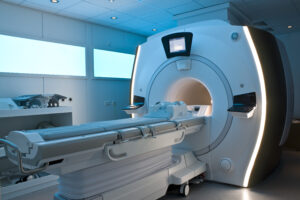
Radiation therapy employs high-energy particles or waves to destroy cancer cells. The success of this treatment hinges on meticulous planning, which integrates diagnostic imaging, dosimetry, and simulation techniques. Advanced imaging modalities like MRI and PET scans are instrumental in accurately mapping tumor locations relative to surrounding healthy tissues, enabling precise targeting.
Understanding radiobiology-the study of how radiation affects cells-is crucial for tailoring treatment doses. Radiation oncologists must balance delivering lethal doses to tumors while sparing normal cells from excessive damage. Insights from radiobiologists about tumor resistance mechanisms further inform dose adjustments and treatment strategies.
Innovations and Treatment Modalities
The field of radiation oncology is continuously evolving, driven by research and technological advancements. Modern techniques such as stereotactic body radiotherapy (SBRT) and intensity-modulated radiation therapy (IMRT) have transformed treatment approaches by allowing highly focused radiation delivery, even in anatomically complex cases. Staying current with these innovations is vital for enhancing patient care and improving therapeutic outcomes.
Challenges and Pressures in Radiation Oncology
The responsibility borne by radiation oncologists is immense, as treatment decisions directly impact patient survival and quality of life. Balancing the potential benefits of radiation against its risks requires careful judgment and precision. Oncologists must navigate these high-stakes decisions with both scientific rigor and compassionate understanding, ensuring individualized care that respects patient needs and preferences.
Patient Monitoring and Follow-Up Care
After initiating radiation therapy, ongoing monitoring is essential to evaluate treatment effectiveness and manage side effects. Radiation oncologists assess patient feedback on symptoms such as pain, fatigue, and psychological distress, adjusting care plans accordingly. This holistic approach addresses not only the physical but also the emotional and social dimensions of patient well-being.
Interdisciplinary Collaboration in Oncology
Effective cancer treatment relies on teamwork across multiple specialties. Radiation oncologists frequently coordinate with palliative care providers to balance curative efforts with symptom relief, ensuring patients maintain dignity and comfort. Participation in tumor boards fosters shared decision-making and knowledge exchange, enhancing the quality and consistency of care delivered.
Community Engagement and Advocacy
Beyond clinical duties, radiation oncologists contribute to public health through education and advocacy. They play an active role in raising awareness about cancer prevention, early detection, and treatment options. By demystifying complex medical information, they empower patients and communities, strengthening the collective effort against cancer.
Significance of Radiation Oncology in Modern Medicine
Radiation oncology epitomizes the fusion of advanced technology, scientific insight, and human compassion. It stands as a cornerstone in the multidisciplinary fight against cancer, offering targeted treatment options that improve survival rates and quality of life. The dedication and expertise of radiation oncologists are indispensable in navigating the complexities of cancer care and advancing therapeutic frontiers.
FAQ
What is radiation oncology?
Radiation oncology is a medical specialty focused on treating cancer with radiation therapy to destroy malignant cells while minimizing damage to healthy tissue.
How does treatment planning work in radiation oncology?
Treatment planning involves diagnostic imaging, dosimetry, and simulations to precisely target tumors with radiation while protecting surrounding healthy tissues.
Why is interdisciplinary collaboration important in radiation oncology?
Collaboration ensures comprehensive patient care by integrating expertise from radiologists, surgeons, medical oncologists, and others to optimize treatment outcomes.
What ongoing developments impact radiation oncology?
Innovations like intensity-modulated radiation therapy (IMRT) and stereotactic body radiotherapy (SBRT) improve precision and efficacy of cancer treatments.


Leave a Reply