

Short Answer
Definition
Transitioning from a pre-medical academic path to pursuing a Bachelor of Science in Physics involves shifting focus from life sciences to the fundamental principles governing the physical universe. This change is not only an academic redirection but also a cognitive transformation that broadens one’s understanding of natural phenomena through rigorous scientific inquiry.
- Pre-medical Track:
An educational pathway centered on biology, chemistry, and health sciences aimed at preparing students for medical school and healthcare professions. - Bachelor of Science in Physics:
An undergraduate degree emphasizing the study of matter, energy, and the laws of nature, fostering analytical and quantitative problem-solving skills.
Academic Prerequisites and Preparation
Before embarking on a physics degree, it is crucial to assess and fulfill the specific academic requirements set by the chosen institution. Most physics programs demand a solid foundation in mathematics-especially calculus and differential equations-as well as introductory physics courses. Pre-med students often possess a strong background in these areas due to their rigorous science coursework, which can facilitate a smoother transition.
However, to meet the demands of a physics curriculum, students may need to supplement their knowledge with advanced subjects such as electromagnetism, quantum mechanics, and thermodynamics. This might involve enrolling in additional classes during summer sessions or utilizing online learning platforms to prepare for upper-level physics coursework.
Interdisciplinary Connections Between Biology and Physics
The intersection of biology and physics offers fertile ground for students transitioning from pre-med to physics. Fields like biophysics and medical physics exemplify how physical principles apply to biological systems and healthcare technologies, creating opportunities for interdisciplinary research and innovation.
- Biophysics:
Explores the physical mechanisms underlying biological processes, such as molecular dynamics and cellular mechanics. - Medical Physics:
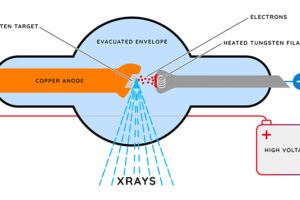
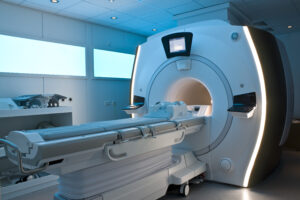
Applies physics concepts to medical imaging, radiation therapy, and diagnostic technologies, bridging healthcare and physical sciences.
Developing a Research-Oriented Mindset
Physics education emphasizes empirical investigation and theoretical analysis. Cultivating a research mindset is essential, involving active participation in experimental work and critical evaluation of scientific theories. Engaging in undergraduate research projects-whether through faculty-led initiatives or independent studies-enhances comprehension of complex concepts and sharpens analytical abilities.
Students are encouraged to seek research opportunities that integrate their background in biology with physics, fostering innovative approaches and expanding their academic horizons.
Adapting to the Academic Culture of Physics
The pedagogical style in physics often prioritizes deductive reasoning and abstract thinking, contrasting with the inductive and application-focused methods common in pre-medical education. Embracing this shift requires developing comfort with theoretical models, mathematical formalism, and logical rigor, which collectively enhance intellectual flexibility and problem-solving proficiency.
Networking, Mentorship, and Community Engagement
Building relationships with faculty members and peers is vital during this transition. Mentorship from professors specializing in areas overlapping with medical applications of physics can provide valuable guidance and career insights. Participation in departmental seminars, workshops, and research discussions fosters academic growth and professional networking.
Joining physics clubs and engaging in extracurricular activities such as competitions and collaborative projects further enriches the educational experience, promoting teamwork and communication skills essential for future success.
Career Pathways and Long-Term Considerations
Switching to a BS in Physics opens diverse career opportunities across academia, industry, and healthcare technology. Students should reflect on how their medical interests align with physics-related fields, such as radiology, medical imaging, and biomaterials science, which integrate physical principles with medical applications.
This interdisciplinary approach not only broadens employment prospects but also encourages innovation at the nexus of physics and medicine.
Why This Transition Is Significant
Moving from a pre-medical focus to physics represents more than a change in subject matter; it is a profound intellectual evolution that deepens one’s appreciation of the universe’s fundamental workings. By leveraging existing scientific skills, embracing new analytical frameworks, and engaging with interdisciplinary research, students can achieve a richer, more versatile academic and professional profile.
This journey fosters transformative insights that have the potential to impact both scientific understanding and medical advancements, underscoring the value of integrating diverse scientific disciplines.
FAQ
What is the significance of moving from pre-med to physics?
This transition represents a profound intellectual evolution that deepens the understanding of the universe's workings and enhances career prospects.



Leave a Reply