

Short Answer
Understanding Magnetic Resonance Imaging (MRI)
Magnetic Resonance Imaging (MRI) is a sophisticated diagnostic technique that unveils the intricate internal structures of the human body. Much like a microscope illuminates the microscopic world, MRI provides detailed images of tissues, organs, and other bodily components that are otherwise invisible to the naked eye. This non-invasive technology has revolutionized medical diagnostics by offering a window into the body’s hidden complexities without the need for surgery or radiation.
Defining the MRI Experience
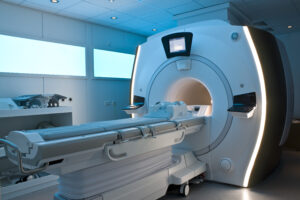
While MRI scans are invaluable for medical insight, the experience of undergoing an MRI can vary widely among patients. For some, the process is straightforward and uneventful, but for others, it can evoke feelings of discomfort and anxiety. The MRI machine itself-a large, cylindrical tunnel-can feel confining, triggering a range of emotional and physical responses that extend beyond the clinical procedure.
- Claustrophobia:
The enclosed space of the MRI scanner often induces a sensation of being trapped, which can be distressing for individuals sensitive to confined environments. - Auditory Sensations:
The loud, repetitive noises produced by the machine during scanning can be overwhelming, contributing to a sense of unease. - Physical Stillness:
Remaining motionless for extended periods can cause discomfort and heighten the psychological strain of the procedure.
Psychological and Emotional Dimensions of MRI Scans
The MRI experience is not solely physical; it also encompasses significant psychological elements. Anticipation before the scan often stirs a complex mix of emotions, including fear and uncertainty about potential diagnoses. During the scan, patients may grapple with feelings of vulnerability, as the machine’s metallic enclosure can evoke a primal sense of being confined or restrained.
Moreover, the persistent noise inside the scanner can amplify mental unrest, mirroring the chaotic swirl of thoughts and anxieties. The prolonged immobility required can intensify these sensations, creating a tension between the desire to endure the procedure and the impulse to escape the restrictive environment.
How MRI Machines Function
At its core, an MRI scanner uses powerful magnetic fields and radio waves to generate detailed images of the body’s internal structures. The patient lies within a strong magnetic field, which aligns hydrogen atoms in the body. Radiofrequency pulses then disturb this alignment, and as the atoms return to their original state, they emit signals that are captured and translated into images by a computer.
Technical Aspects and Formulae
The fundamental principle behind MRI involves nuclear magnetic resonance (NMR). The Larmor frequency, which determines the resonance condition, is given by:
ω = γB
- ω (omega): Larmor frequency (rad/s)
- γ (gamma): Gyromagnetic ratio (rad/T·s)
- B: Magnetic field strength (Tesla)
This relationship explains how the magnetic field strength influences the frequency at which hydrogen nuclei resonate, enabling the scanner to produce precise images.
Real-Life Implications and Patient Experiences
Many patients recount the MRI experience as a journey marked by both physical and emotional challenges. The sensation of being enclosed in a metallic tube can evoke a feeling of vulnerability, while the loud, rhythmic sounds may resemble an unsettling mechanical symphony. The necessity to remain still for extended periods often tests patience and endurance.
Despite these challenges, MRI scans provide critical information that can lead to early diagnosis and effective treatment of various conditions, from neurological disorders to musculoskeletal injuries.
Common Misunderstandings About MRI Scans
- Misconception: MRI scans are painful.
Correction: The procedure itself is painless, though some discomfort may arise from remaining still or from anxiety. - Misconception: MRI uses harmful radiation.
Correction: Unlike X-rays or CT scans, MRI does not involve ionizing radiation, making it safer for repeated use. - Misconception: All MRI machines are the same.
Correction: There are different types of MRI machines, including open MRI systems designed to reduce claustrophobia.
Strategies to Improve Patient Comfort During MRI
Recognizing the potential discomfort associated with MRI scans, healthcare providers have developed various methods to enhance patient experience. These include:
- Open MRI Machines:
These scanners have a more open design, reducing feelings of confinement. - Audio and Visual Aids:
Playing calming music or providing guided imagery can help distract patients from the noise and duration of the scan. - Patient Education:
Informing patients about what to expect during the procedure can alleviate anxiety by replacing uncertainty with understanding.
The Significance of MRI in Modern Medicine
MRI technology plays a pivotal role in contemporary healthcare by enabling detailed visualization of internal anatomy without invasive procedures. Its ability to detect abnormalities early contributes to improved patient outcomes and personalized treatment plans. Furthermore, the ongoing advancements in MRI technology continue to enhance both diagnostic capabilities and patient comfort, underscoring its importance in medical science.
Reflecting on the MRI Experience
For many, undergoing an MRI scan is more than a medical test-it is an encounter that challenges both body and mind. The experience can provoke introspection, resilience, and a deeper awareness of one’s physical and emotional boundaries. While some emerge feeling empowered by having faced their fears, others may carry lingering impressions of vulnerability. Collectively, these experiences highlight the complex interplay between cutting-edge technology and the human spirit in the pursuit of health and knowledge.
FAQ
Is an MRI scan painful?
No, the MRI scan itself is painless, although some discomfort may occur from staying still or from anxiety.
Does an MRI use harmful radiation?
No, MRI uses magnetic fields and radio waves, not ionizing radiation, making it safer than X-rays or CT scans.
Why do MRI machines make loud noises?
The noises come from the switching of magnetic gradients during imaging, which is a normal part of the MRI process.
Are there MRI options for people with claustrophobia?
Yes, open MRI machines and other comfort strategies exist to help reduce claustrophobia during scans.





Leave a Reply