
Short Answer
Definition of an MRI Application Specialist
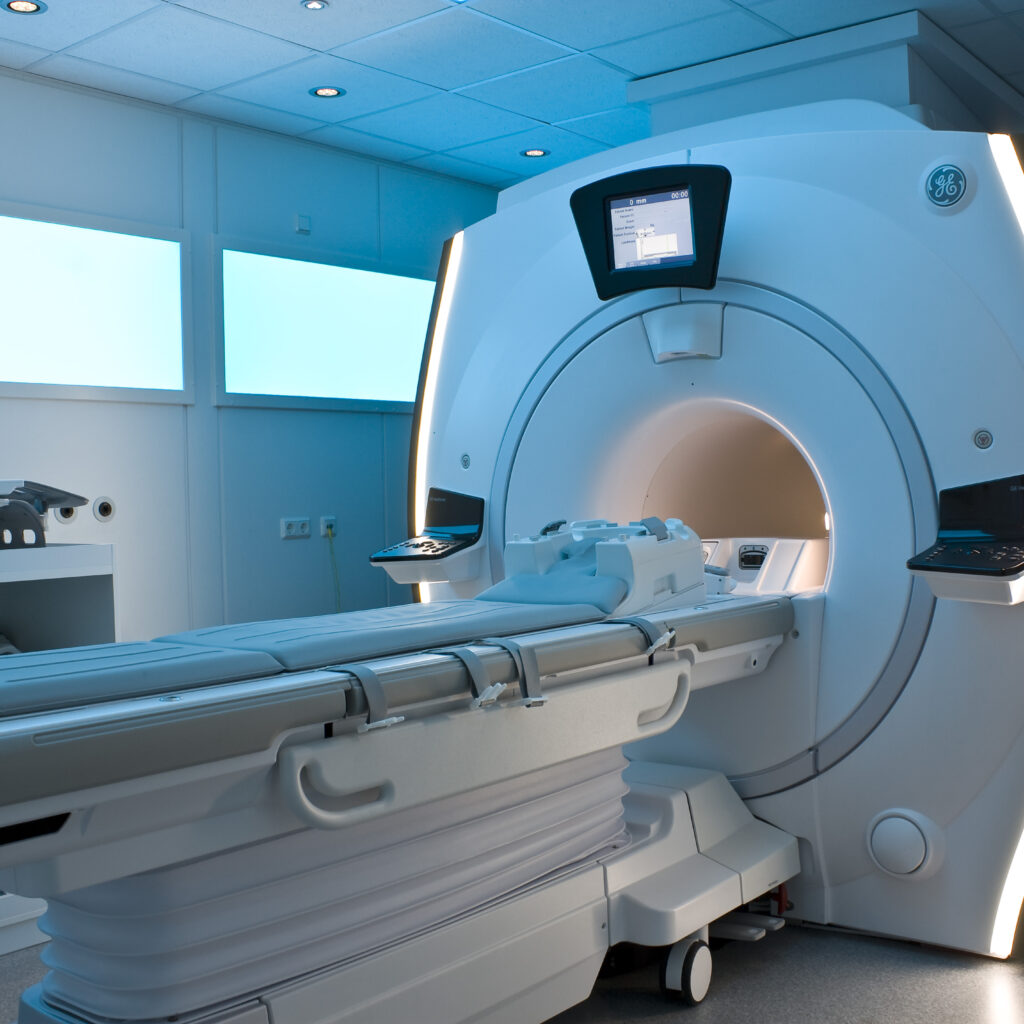
An MRI application specialist is a healthcare professional with specialized knowledge in magnetic resonance imaging (MRI) technology and its diverse uses in diagnostic imaging. This role is essential for maximizing the effectiveness of MRI systems in clinical settings, ensuring that medical practitioners can leverage this technology to improve patient diagnosis and treatment outcomes. Acting as a bridge between sophisticated imaging equipment and clinical application, MRI application specialists focus on optimizing MRI performance and guiding the appropriate use of MRI scans in patient care.
Core Responsibilities and Functions
The duties of an MRI application specialist are multifaceted, encompassing equipment operation, image acquisition, protocol formulation, and staff education. They work closely with radiologists, MRI technologists, and other healthcare team members to customize MRI protocols that meet specific clinical needs. This collaboration enhances the overall quality and relevance of MRI examinations.
- Staff Training:
Specialists provide comprehensive training to technologists on patient positioning, selection of imaging sequences, and troubleshooting common technical issues, thereby improving image quality and diagnostic accuracy. - Protocol Development:
They design and implement standardized imaging protocols tailored to various clinical indications, balancing image resolution with patient safety considerations.
Technical Expertise and Problem-Solving Skills
Proficiency in MRI technology is fundamental for application specialists. They must be adept with different MRI systems, including closed-bore and open-bore machines, and possess a deep understanding of magnetic resonance physics. Their expertise enables them to diagnose and resolve hardware and software malfunctions, minimizing downtime and ensuring continuous clinical service.
Additionally, MRI application specialists are skilled in identifying and correcting imaging artifacts-distortions or anomalies caused by factors such as patient movement or magnetic field inconsistencies. Keeping current with technological advancements in MRI hardware and software is crucial for maintaining optimal imaging conditions.
Quality Control and Safety Management
Maintaining high standards of quality and safety is a critical aspect of the MRI application specialist’s role. They conduct regular quality assurance tests to verify that MRI equipment operates within established performance parameters. Compliance with regulatory standards, both national and international, is rigorously upheld through routine calibration, safety inspections, and adherence to best practices.
Patient safety is paramount during MRI procedures. Specialists are vigilant about contraindications such as metallic implants, pacemakers, and patient claustrophobia. They implement safety protocols and educate patients about the procedure, including the importance of remaining still and what to expect from the MRI environment, thereby reducing risks and enhancing patient comfort.
Role in Clinical Research and Innovation
Beyond operational duties, MRI application specialists contribute significantly to clinical research and technological innovation. They participate in studies exploring new MRI applications, such as advanced imaging techniques for early disease detection and the integration of artificial intelligence to improve imaging protocols. Their practical insights help refine these innovations for clinical use.
Collaboration with radiologists and technologists in research projects enables the development of novel imaging methods that improve diagnostic capabilities and patient care. Their involvement ensures that new techniques are both effective and feasible in real-world clinical settings.
Educational Requirements and Professional Certification
Becoming an MRI application specialist typically requires a foundational degree in radiologic technology, biomedical engineering, or a related discipline. Professional certification, such as that offered by the American Registry of Radiologic Technologists (ARRT), is often necessary to validate expertise and enhance career prospects.
Ongoing education is vital in this rapidly evolving field. Specialists frequently pursue advanced certifications and training in MRI technology to stay current with emerging trends and maintain a competitive edge in the healthcare industry.
Significance of MRI Application Specialists in Healthcare
MRI application specialists play a crucial role in the advancement of diagnostic imaging by combining technical skill, educational support, and research involvement. Their work ensures that MRI technology is utilized to its fullest potential, leading to more accurate diagnoses and improved patient outcomes. As MRI technology continues to evolve, the role of these specialists will expand, offering new opportunities for professional growth and innovation in medical imaging.
FAQ
What does an MRI application specialist do?
They optimize MRI technology for patient care, develop protocols, and train staff in MRI procedures.
What qualifications are needed to become an MRI application specialist?
Typically, a degree in radiologic technology or biomedical engineering and relevant certifications like ARRT.
Why are MRI application specialists important in healthcare?
They ensure that MRI technology is used effectively, leading to improved diagnostic outcomes and patient safety.



Leave a Reply