
Short Answer
Definition of Bacterial Electron Conduction
Bacterial electron conduction refers to the ability of certain microorganisms to transfer electrons across considerable distances, effectively bridging biological systems and electronic functions. This phenomenon involves bacteria acting as natural conductors, facilitating electrical currents through specialized cellular structures and biochemical pathways. Such capabilities position these microbes as potential bioelectronic components, merging living organisms with technological applications.
Key Bacterial Species and Their Electron Transfer Mechanisms
Several bacterial genera demonstrate pronounced electron transfer abilities, notably Geobacter and Shewanella. These bacteria possess unique proteins called cytochromes that enable electron movement across their cell membranes, supporting their metabolic processes in oxygen-deprived environments such as marine sediments and biofilms.
- Cytochromes:
Specialized proteins that facilitate electron transport within and outside the bacterial cell, crucial for respiration and energy generation. - Conductive Pili (Nanowires):
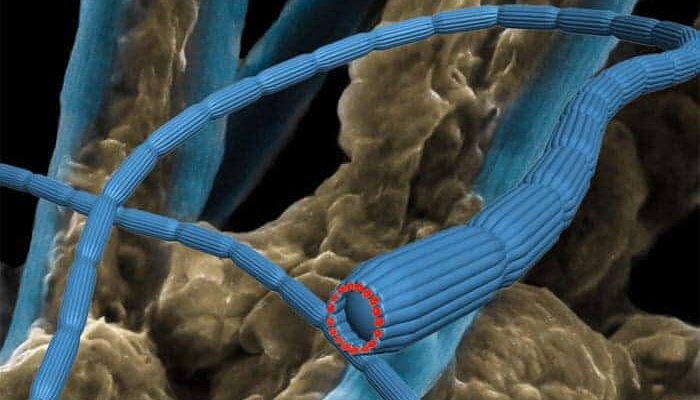
Protein-based appendages that form networks capable of transmitting electrical currents over centimeter-scale distances, enabling intercellular electron exchange.
Biochemical and Structural Basis of Electron Transport
The electron conduction in bacteria is orchestrated through complex biochemical pathways involving conductive pili, also known as bacterial nanowires. These pili are primarily composed of PilA proteins, which exhibit conductive properties similar to metallic wires by allowing electron delocalization along their length. This structural adaptation enables efficient electron flow, supporting community-wide metabolic activities within bacterial colonies.
Applications in Bioelectronics and Sustainable Energy
Harnessing bacterial electron conduction opens promising avenues in renewable energy and environmental technology. For instance, biofuel cells powered by Geobacter species can generate electricity by oxidizing organic compounds, offering a sustainable alternative to fossil fuels. Additionally, integrating bacteria into biosensors allows for the detection of environmental contaminants and pathogens, leveraging their electron transfer responses to various stimuli.
Challenges in Practical Implementation
Despite the exciting prospects, several obstacles hinder the widespread application of bacterial electron conduction. Cultivating bacteria under optimal conditions to maximize electron transfer efficiency remains difficult. Scaling laboratory findings to industrial levels introduces issues related to cost, system stability, and maintaining bacterial viability over time. Addressing these challenges requires interdisciplinary efforts combining microbiology, materials science, and engineering.
Environmental and Ethical Considerations
The deployment of bacteria in bioelectronic devices raises important ecological and ethical questions. The use of genetically modified microorganisms in natural ecosystems could have unintended consequences, necessitating strict biosecurity measures and thorough risk assessments. Responsible research and development practices are essential to balance technological advancement with environmental stewardship.
Enhancing Electron Transfer for Future Innovations
Advancing the utility of bacterial electron conduction involves deepening our understanding of the molecular and structural components that govern electron flow. By manipulating the biochemical pathways and protein structures involved, scientists aim to engineer bacterial strains or synthetic systems with optimized conductive properties tailored for specific bioelectronic applications.
Significance and Future Outlook
The convergence of biological electron conduction and electronic technology heralds a transformative era in energy production, environmental monitoring, and biocompatible device engineering. Bacteria, far from passive environmental inhabitants, actively participate in energy dynamics and offer a blueprint for integrating living systems with electronic functions. While challenges remain, the potential to revolutionize how humanity interacts with technology and nature is immense, promising a future where biological and technological systems operate in seamless synergy.
FAQ
What is bacterial electron conduction?
Bacterial electron conduction is the ability of certain microorganisms to transfer electrons over distances, effectively merging biological systems with electronic functions.
Which bacteria are known for their electron transfer capabilities?
Geobacter and Shewanella are notable for their ability to transfer electrons, utilizing specialized proteins and conductive pili.
What are the applications of bacterial electron conduction?
Applications include biofuel cells for renewable energy and biosensors for detecting environmental contaminants.
What challenges exist in implementing bacterial electron conduction?
Challenges include optimizing cultivation conditions, scaling to industrial levels, and ensuring bacterial viability.




Leave a Reply