

Short Answer
Definition of Radiation Protection
Radiation protection refers to the set of practices, principles, and regulations designed to shield humans, the environment, and property from the harmful effects of ionizing radiation. This discipline is essential not only in scientific and medical fields but also in everyday contexts where radiation exposure may occur. It encompasses methods to limit exposure, monitor radiation levels, and manage radioactive materials safely.
- Ionizing Radiation:
A type of radiation with enough energy to remove tightly bound electrons from atoms, creating ions. - Sources:
Includes natural origins like cosmic rays and radon gas, as well as artificial sources such as medical imaging devices and nuclear reactors.
Understanding Ionizing Radiation and Its Sources
Ionizing radiation is characterized by its ability to ionize atoms, which can lead to molecular and cellular damage. It originates from both natural and man-made sources:
- Natural Sources:
Cosmic radiation from outer space and radon gas emitted from the earth’s crust are primary contributors to background radiation. - Artificial Sources:
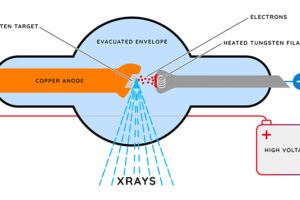
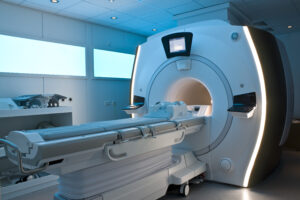
Medical procedures like X-rays and CT scans, nuclear power generation, and industrial applications contribute to human-made radiation exposure.
Recognizing these sources is crucial for assessing exposure risks and implementing appropriate safety measures.
Health Effects of Radiation Exposure
Exposure to ionizing radiation can cause significant biological effects, primarily through damage to cellular structures and DNA. The consequences may not be immediately apparent but can manifest years later, often as cancer or other chronic conditions. Key points include:
- Cellular Damage:
Radiation can alter or destroy cells, potentially leading to mutations. - Latency Period:
Health effects such as cancer may develop long after the initial exposure. - Risk Mitigation:
Applying the principles of time, distance, and shielding helps reduce exposure levels.
Occupational safety standards and comprehensive training are vital in industries handling radioactive materials to protect workers and the public.
Regulatory Frameworks and Safety Principles
Radiation protection is governed by a network of international and national regulations aimed at minimizing exposure and ensuring safe practices. Prominent organizations include:
- International Atomic Energy Agency (IAEA):
Provides global guidelines and standards for radiation safety. - Environmental Protection Agency (EPA):
Oversees radiation protection policies within the United States.
A foundational concept in these frameworks is the ALARA principle-“As Low As Reasonably Achievable”-which promotes minimizing radiation doses while considering economic and social factors. Adherence to these guidelines helps balance safety with practical application in medical, industrial, and research settings.
Technological Advances in Radiation Protection
Innovations in technology have significantly enhanced the ability to monitor and control radiation exposure. Notable developments include:
- Personal Dosimeters:
Portable devices that track cumulative radiation doses in real time, improving worker safety awareness. - Low-Dose Imaging Techniques:
Advances in medical imaging, such as optimized CT scan protocols, reduce radiation exposure without compromising diagnostic quality.
These technological improvements illustrate the dynamic relationship between innovation and safety, enabling the beneficial use of radiation with minimized health risks.
Environmental Impact of Radiation
The ecological consequences of radiation exposure are significant, especially in areas affected by nuclear accidents or contamination. Key environmental concerns include:
- Contaminated Sites:
Locations with residual radioactive materials pose ongoing risks to ecosystems and biodiversity. - Accidents and Leaks:
Events like Chernobyl and Fukushima highlight the potential for widespread environmental damage and the need for robust emergency response plans.
Effective radiation protection extends beyond human health to encompass environmental stewardship, requiring comprehensive remediation and habitat restoration efforts.
Ethical Considerations in Radiation Protection
The use of radiation raises important ethical questions, balancing its benefits against potential risks. Considerations include:
- Risk Distribution:
Ensuring vulnerable populations are not disproportionately exposed to radiation hazards. - Informed Consent:
Patients undergoing medical procedures involving radiation must be fully educated about risks and benefits to make autonomous decisions.
Ethical radiation protection demands transparency, equity, and respect for individual rights in the application of radiation technologies.
Public Education and Awareness
Raising public understanding of radiation risks and safety measures is crucial for fostering a well-informed society. Educational initiatives aim to:
- Increase Awareness:
Inform people about the sources and effects of radiation exposure. - Promote Safety Practices:
Encourage adherence to protective guidelines in both occupational and everyday contexts.
By enhancing knowledge, these programs help individuals appreciate the importance of radiation protection and support regulatory efforts.
Significance of Radiation Protection
Radiation protection is a vital interdisciplinary field that safeguards human health, preserves environmental quality, and addresses ethical challenges posed by radiation use. Its importance is underscored by:
- Health Preservation:
Preventing radiation-induced diseases and promoting safe medical practices. - Environmental Conservation:
Mitigating ecological damage from radioactive contamination. - Technological Progress:
Enabling the safe advancement of nuclear energy, medical diagnostics, and treatment.
As society continues to integrate radiation technologies, maintaining rigorous protection standards ensures a safer, more sustainable future for all.
FAQ
What is radiation protection?
Radiation protection involves practices and regulations designed to shield humans and the environment from harmful effects of ionizing radiation.
Why is radiation protection important?
It is essential for preventing diseases related to radiation exposure and for ensuring safety in medical, industrial, and environmental contexts.



Leave a Reply