

Short Answer
Understanding MRI and CT Scans
Magnetic Resonance Imaging (MRI) and Computed Tomography (CT) scans have transformed medical diagnostics by providing detailed internal images of the human body. Despite their shared goal of visualizing anatomy and pathology, these two imaging modalities differ significantly in their operational principles, resulting in notable differences in scan duration. Patients and healthcare professionals often wonder why MRI procedures take considerably longer than CT scans, a question that reveals the complex interplay of physics, engineering, and clinical requirements behind these technologies.
Definition and Basic Principles
Computed Tomography (CT)
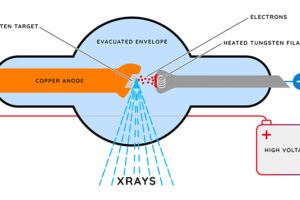
CT scanning employs X-ray technology to generate cross-sectional images of the body rapidly. During the procedure, an X-ray tube rotates around the patient, capturing multiple images from various angles. These images are then reconstructed by advanced computer algorithms into detailed three-dimensional representations, enabling swift diagnostic evaluation.
Magnetic Resonance Imaging (MRI)
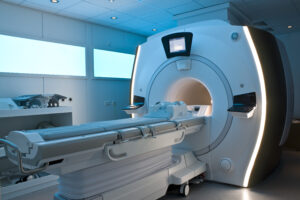
MRI utilizes the principles of nuclear magnetic resonance to produce high-resolution images, particularly of soft tissues. When placed in a strong magnetic field, hydrogen protons in the body align with the field. Radiofrequency pulses disrupt this alignment, and as the protons return to their original state, they emit signals that are detected and processed to form images.
How MRI and CT Differ in Operation
The fundamental difference in how MRI and CT acquire images largely explains the disparity in scan times. CT scans are typically completed within minutes due to the rapid rotation of the X-ray source and the swift computational reconstruction of images. In contrast, MRI scans involve multiple complex sequences that capture different tissue characteristics, requiring longer acquisition times.
- CT Scan Speed:
Utilizes fast X-ray rotations and immediate image reconstruction, often finishing within a few minutes. - MRI Scan Duration:
Involves sequential imaging sequences that can last from 15 minutes to over an hour, depending on the protocol.
Imaging Sequences and Their Impact on Scan Time
MRI protocols often include various sequences such as T1-weighted and T2-weighted images, each highlighting different tissue properties. These sequences are akin to viewing the same object through different filters, revealing unique details essential for accurate diagnosis. The necessity to perform multiple sequences extends the overall scan time but enhances diagnostic precision.
Adjusting parameters like echo time and repetition time for each sequence optimizes image contrast and resolution, further contributing to the length of the examination. This meticulous tuning is vital for differentiating between normal and pathological tissues.
Challenges Affecting MRI Scan Duration
Motion Sensitivity
MRI is highly sensitive to patient movement, which can cause blurring and degrade image quality. Patients are often instructed to remain still, and techniques such as breath-holding are employed, especially during abdominal imaging, to minimize motion artifacts. These precautions can prolong the scan but are necessary to maintain image clarity.
Complexity of MRI Equipment
Unlike CT scanners that rely on a single X-ray source, MRI machines incorporate multiple components including magnet coils, gradient coils, and radiofrequency coils. The intricate coordination of these elements requires additional setup and calibration time, contributing to longer scan durations.
Post-Processing Requirements
After data acquisition, MRI images undergo extensive computational processing. Techniques such as Fourier transforms convert raw signal data into interpretable images. This post-processing phase is essential for producing high-quality images but adds to the total time required for the MRI procedure.
Technological Advances Aiming to Reduce MRI Scan Times
Recent innovations in MRI technology focus on accelerating scan times without compromising image quality. Methods like simultaneous multi-slice imaging and improved coil designs enable faster data acquisition. Additionally, artificial intelligence is increasingly being integrated into image analysis workflows to expedite post-processing and interpretation.
Real-World Applications and Considerations
CT scans are often preferred in emergency settings due to their speed and ability to quickly detect acute conditions such as trauma or stroke. Conversely, MRI is favored for detailed evaluation of soft tissues, including the brain, spinal cord, muscles, and joints, where its superior contrast resolution provides critical diagnostic information.
Common Misconceptions About MRI and CT Scan Durations
MRI scans are slow because the technology is outdated.
MRI uses advanced physics and engineering principles that inherently require longer acquisition times to achieve high-resolution images.
CT scans expose patients to less radiation because they are faster.
CT scans involve ionizing radiation regardless of speed; the rapid acquisition is due to the nature of X-ray technology, not radiation dose.
Significance of Scan Duration in Medical Imaging
The longer duration of MRI scans reflects a trade-off between time efficiency and the depth of diagnostic information obtained. While CT offers rapid imaging suitable for urgent cases, MRI provides unparalleled soft tissue contrast and detailed anatomical insights essential for comprehensive clinical evaluation. Understanding this balance helps patients and clinicians appreciate the rationale behind scan times and the value of each modality in healthcare.
FAQ
Why do MRI scans take longer than CT scans?
MRI scans require more time due to their complex imaging sequences and the need for high-resolution images, while CT scans can quickly generate images using X-ray technology.
What factors contribute to the longer duration of MRI scans?
Factors include the need for multiple imaging sequences, sensitivity to patient movement, and extensive post-processing of images.


Leave a Reply