

Short Answer
Understanding Magnetic Resonance Imaging (MRI)
Magnetic Resonance Imaging (MRI) is a pivotal diagnostic technique in contemporary medicine, enabling clinicians to visualize detailed internal body structures without exposing patients to ionizing radiation. This non-invasive imaging method leverages magnetic fields and radio waves to generate high-resolution images, aiding in the diagnosis and management of numerous medical conditions.
Patient Experience During MRI Scans
Despite its clinical advantages, many patients report discomfort or distress during MRI procedures. This perception arises from a combination of psychological, sensory, and environmental factors that shape the overall experience.
Claustrophobia and Spatial Constraints
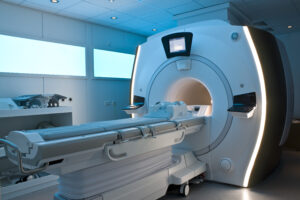
A primary source of unease is the confined design of traditional MRI machines. Patients are positioned inside a narrow, tube-like structure, which can provoke claustrophobic reactions even in individuals without a prior history of anxiety. The necessity to remain motionless within this enclosed space for extended periods often intensifies feelings of confinement and panic.
Auditory Environment and Noise Levels
The operation of MRI scanners produces loud, repetitive knocking and thumping sounds due to rapid magnetic resonance sequences. Although these noises are harmless physiologically, their intensity and persistence can be unsettling, especially for those sensitive to loud sounds or already experiencing anxiety. This auditory stimulus adds another layer of discomfort during the scan.
Duration and Immobility Requirements
MRI examinations typically last between 15 minutes and an hour, depending on the complexity of the study. Patients must remain perfectly still throughout to ensure image clarity, which can be challenging and contribute to physical and psychological strain. The combination of prolonged immobility and the noisy, enclosed environment can make the experience feel interminable and stressful.
Physical Sensations and Contrast Agents
While MRI is generally painless, some patients report discomfort from the rigid positioning aids used to stabilize the body. Additionally, when contrast agents are administered intravenously to enhance image quality, the cold sensation of the injection may cause temporary unease. These physical factors, though minor, can cumulatively heighten the perception of the procedure as unpleasant.
Psychological and Informational Factors
Patient anxiety often stems from uncertainty or insufficient information about the MRI process. Without clear explanations from healthcare providers, individuals may develop misconceptions or exaggerated fears about the procedure, anticipating pain or harm. Effective communication and education prior to the scan are crucial in alleviating these concerns and fostering a more positive experience.
Technological Advances to Improve Patient Comfort
Recognizing the challenges faced by patients, medical facilities have introduced innovations such as open MRI machines. These devices feature a more spacious design, reducing feelings of confinement and making the procedure more tolerable for claustrophobic individuals. Such advancements reflect ongoing efforts to enhance patient comfort without compromising diagnostic accuracy.
Clinical Benefits Versus Patient Discomfort
Despite the temporary discomfort associated with MRI scans, the diagnostic value they provide is substantial. MRI technology enables early detection and precise evaluation of a wide range of conditions, including neurological disorders, musculoskeletal injuries, and cardiovascular diseases. The long-term health benefits derived from accurate diagnosis and timely treatment often outweigh the short-lived unease experienced during the scan.
Common Misconceptions About MRI Scans
MRI scans are painful.
The procedure is generally painless, though some patients may feel discomfort from positioning or contrast injections.
MRI exposes patients to harmful radiation.
MRI uses magnetic fields and radio waves, not ionizing radiation, making it safer than X-rays or CT scans.
Movement during the scan is allowed.
Patients must remain still to ensure clear images; movement can blur results and necessitate repeat scans.
Why Understanding MRI Discomfort Is Important
Addressing the multifaceted causes of discomfort during MRI scans is essential for improving patient compliance and diagnostic outcomes. By enhancing patient education, modifying the scanning environment, and adopting patient-friendly technologies, healthcare providers can reduce anxiety and improve the overall experience. This not only benefits individual patients but also supports the broader goal of effective, timely medical diagnosis and treatment.
FAQ
Is an MRI test painful?
No, MRI tests are generally painless, although some patients may experience minor discomfort from positioning aids or contrast agent injections.
Does an MRI expose you to radiation?
No, MRI uses magnetic fields and radio waves, not ionizing radiation, making it safer compared to X-rays or CT scans.
Why is the MRI machine so noisy?
The noise during an MRI scan comes from the rapid switching of magnetic gradients, which produce knocking and thumping sounds.
Can I move during an MRI scan?
Patients must remain still during the MRI scan to ensure clear images; movement can blur the images and require repeat scans.
What are the options for patients with claustrophobia?
Open MRI machines with a more spacious design are available and can help reduce claustrophobia and anxiety during scans.





Leave a Reply