
Short Answer
Definition of the MRI In-Bore Experience
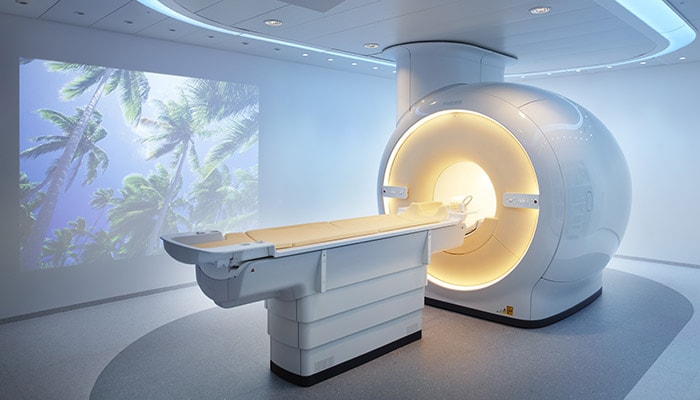
The MRI in-bore experience refers to the process a patient undergoes while positioned inside the cylindrical tunnel of a Magnetic Resonance Imaging (MRI) machine. This diagnostic technique uses powerful magnetic fields and radiofrequency waves to produce detailed images of internal body structures, aiding in the evaluation of complex anatomical and pathological conditions. Although minimally invasive, the experience within the MRI bore can evoke a range of physical sensations and psychological responses that are important to understand for patient comfort and cooperation.
Overview of Magnetic Resonance Imaging
Magnetic Resonance Imaging is a non-invasive imaging modality that leverages magnetic fields and radio waves to visualize organs, tissues, and other internal structures with high resolution. Unlike X-rays or CT scans, MRI does not use ionizing radiation, making it a safer option for repeated imaging. The MRI scanner consists of a large, tube-shaped magnet into which the patient is placed during the scan. The machine’s advanced technology captures cross-sectional images that assist healthcare providers in diagnosing and monitoring various medical conditions.
Initial Patient Interaction and Psychological Preparation
Upon arrival at the imaging facility, patients are typically welcomed by trained medical personnel who explain the procedure and address any concerns. This initial interaction is crucial for establishing trust and reducing anxiety, especially for individuals prone to claustrophobia-the fear of confined spaces. Patients are usually asked to change into a hospital gown, which can contribute to feelings of vulnerability and spatial disorientation as they prepare to enter the MRI bore.
Physical and Sensory Aspects Inside the MRI Bore
Once inside the bore, patients experience a unique combination of physical sensations and environmental stimuli:
- Immobilization:
To ensure high-quality images, patients must remain still throughout the scan, which can heighten feelings of vulnerability but is essential for diagnostic accuracy. - Auditory Stimuli:
The MRI machine produces loud, rhythmic noises such as thumping and buzzing. These sounds are inherent to the imaging process and can be startling. To alleviate discomfort, patients are often provided with earplugs or headphones, sometimes accompanied by calming music. - Temperature Variations:
Fluctuations in temperature inside the bore may cause sensations of warmth or coolness, which are normal and related to the machine’s operation. - Visual Environment:
The dim lighting within the bore can create an introspective atmosphere, sometimes leading to heightened self-awareness or mental calmness.
Communication and Safety Measures During the Scan
To address potential distress, MRI facilities incorporate safety features such as an intercom system that allows continuous communication between the patient and the technologist. This connection provides reassurance and enables patients to express any discomfort or concerns immediately, fostering a sense of control and safety throughout the procedure.
Duration and Psychological Impact of the MRI Procedure
The length of an MRI scan varies depending on the complexity and number of images required, ranging from a few minutes to over an hour. During this time, patients lie motionless within the bore, which can feel prolonged and provoke introspective thoughts or existential reflections. This temporal aspect of the experience often transforms the patient’s perception of medical imaging from a purely clinical event to a moment of personal resilience and mental endurance.
Post-Scan Experience and Outcomes
After the imaging session concludes, patients typically feel relief upon exiting the confined space. The completion of the scan often surpasses initial fears, leaving individuals with a sense of accomplishment and renewed confidence. The images obtained provide critical diagnostic information that guides subsequent medical decisions, marking the in-bore experience as a pivotal step in patient care.
Common Misconceptions About the MRI In-Bore Experience
The MRI scan is painful.
The procedure is painless; however, the confined space and noises may cause discomfort or anxiety, not physical pain.
The MRI machine emits harmful radiation.
MRI uses magnetic fields and radio waves, which do not involve ionizing radiation, making it safer than X-rays or CT scans.
Patients can move freely during the scan.
Remaining still is essential to obtain clear images, so movement is restricted during the procedure.
Significance of Understanding the MRI In-Bore Experience
Comprehending the multifaceted nature of the MRI in-bore experience is vital for both patients and healthcare providers. Awareness of the physical sensations, psychological challenges, and safety protocols involved can enhance patient cooperation, reduce anxiety, and improve the overall quality of imaging. Furthermore, this understanding promotes a more empathetic approach to patient care, transforming the MRI from a daunting medical test into an opportunity for personal growth and healing.
FAQ
Is the MRI scan painful?
No, the procedure is painless; discomfort may arise from the confined space and noises.
Does the MRI machine emit harmful radiation?
No, MRI uses magnetic fields and radio waves, which do not involve ionizing radiation.
Can patients move freely during the scan?
No, patients must remain still to obtain clear images.




Leave a Reply