

Short Answer
Definition of Medical Physics
Medical physics is a multidisciplinary field that integrates the fundamental principles of physics with the complex domain of medicine. It serves as a bridge between scientific theory and clinical practice, applying physical concepts to enhance healthcare delivery. Medical physicists play a crucial role in developing, implementing, and optimizing technologies that improve diagnosis, treatment, and patient safety within medical settings.
Diagnostic Imaging: Visualizing the Human Body
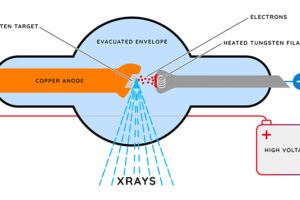
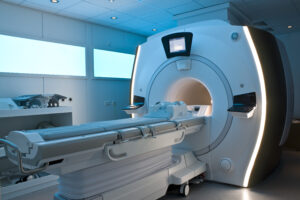
One of the core areas of medical physics is diagnostic imaging, which transforms the human body into a detailed visual map for medical evaluation. Utilizing sophisticated technologies such as X-rays, computed tomography (CT), magnetic resonance imaging (MRI), and ultrasound, medical physicists enable clinicians to detect structural and functional abnormalities with remarkable clarity.
- Imaging Modalities:
Techniques like X-rays and CT scans provide detailed anatomical images, while MRI and ultrasound offer insights into soft tissues and physiological processes. - Equipment Calibration:
Medical physicists ensure imaging devices are precisely calibrated and maintained, balancing the need for high-quality images with minimizing patient exposure to radiation. - Patient Safety:
By optimizing imaging protocols, they reduce unnecessary radiation doses, safeguarding patients while maintaining diagnostic accuracy.
Radiation Therapy: Targeted Treatment Strategies
Beyond imaging, medical physics is integral to radiation therapy, where ionizing radiation is harnessed to combat cancerous cells. Medical physicists meticulously design treatment plans that deliver precise radiation doses to tumors while sparing healthy tissues, enhancing therapeutic outcomes.
- Dose Calculation:
Accurate computation of radiation doses ensures effective tumor control and minimizes side effects. - Advanced Techniques:
Innovations such as intensity-modulated radiation therapy (IMRT) and stereotactic radiosurgery (SRS) allow for highly focused treatments tailored to individual patient anatomy. - Treatment Planning:
Medical physicists collaborate with oncologists to develop protocols that consider tumor size, location, and surrounding organs.
Quality Assurance in Medical Physics
Quality assurance (QA) forms the foundation of safe and effective medical physics practice. It involves systematic testing and validation of medical equipment, procedures, and protocols to ensure consistent performance and patient safety.
- Equipment Testing:
Regular inspections and calibrations prevent malfunctions and maintain accuracy. - Protocol Verification:
Ensuring that clinical procedures adhere to established standards reduces risks associated with treatment errors. - Adaptation to Innovation:
QA processes evolve alongside technological advancements, including the integration of artificial intelligence, to maintain high standards of care.
Research and Development: Advancing Medical Science
Medical physicists contribute significantly to research and innovation, pushing the boundaries of medical technology and treatment methodologies. Their work often leads to novel imaging techniques, improved therapeutic approaches, and enhanced understanding of disease mechanisms.
- Multidisciplinary Collaboration:
Working alongside physicians, biologists, and engineers, medical physicists drive forward comprehensive research projects. - Innovation in Imaging and Therapy:
Development of new modalities and optimization of existing technologies improve diagnostic and treatment capabilities. - Personalized Medicine:
Research efforts focus on tailoring treatments to individual patient characteristics, enhancing efficacy and reducing side effects.
The Human Element: Compassion in Medical Physics
While medical physics is grounded in scientific rigor, it also embraces the compassionate aspects of healthcare. Medical physicists serve as patient advocates, ensuring that technological advancements are applied with empathy and understanding.
- Patient Communication:
Explaining complex procedures in accessible terms helps alleviate patient anxiety. - Ethical Responsibility:
Balancing technological capabilities with patient well-being is central to their role. - Trust Building:
Their involvement fosters confidence in medical interventions during vulnerable moments.
Why Medical Physics is Essential
Medical physics is indispensable in modern healthcare, merging scientific innovation with clinical application to improve patient outcomes. Its contributions span from enhancing diagnostic accuracy to refining therapeutic precision, all while prioritizing safety and ethical standards. As technology continues to evolve, medical physics remains at the forefront, ensuring that advancements translate into meaningful benefits for patients worldwide.
FAQ
What is medical physics?
Medical physics is a field that applies physics principles to medicine, particularly in areas like diagnostic imaging and radiation therapy.
What role do medical physicists play?
Medical physicists develop and optimize technologies for diagnosis and treatment, ensuring patient safety and effective healthcare delivery.
How does medical physics contribute to patient safety?
Medical physicists ensure equipment is calibrated and protocols are followed to minimize radiation exposure while maximizing diagnostic accuracy.




Leave a Reply