
Short Answer
Definition of Medical Physics
Medical physics is a specialized discipline that merges the principles of physics with medical science and technology to improve patient care. Medical physicists apply their expertise in physical laws and biological systems to enhance the safety and effectiveness of diagnostic and therapeutic procedures in healthcare settings.
- Interdisciplinary Nature:
It integrates physics, medicine, and engineering to support clinical practices. - Core Objective:
Ensuring the accuracy, safety, and quality of medical imaging and radiation therapy.
Primary Responsibilities of Medical Physicists
Medical physicists hold critical roles in various healthcare domains, particularly in radiation therapy and diagnostic imaging. Their work ensures that advanced medical technologies are used safely and effectively to diagnose and treat patients.
Radiation Therapy Management
One of the most vital functions of medical physicists is their involvement in radiation therapy. They utilize their knowledge of ionizing radiation to design treatment plans that precisely target tumors while protecting healthy tissues. This requires a deep understanding of radiation physics, radiobiology, and the technical operation of devices such as linear accelerators.
- Personalized Treatment Planning:
Tailoring radiation doses based on individual patient anatomy and tumor characteristics. - Collaboration:
Working closely with radiation oncologists to optimize therapeutic outcomes.
Quality Assurance in Radiation Therapy
Medical physicists are responsible for implementing rigorous quality assurance (QA) protocols to maintain the accuracy and safety of radiation delivery. This includes routine calibration of equipment, performance testing, and validation of treatment procedures to ensure that the prescribed radiation dose is accurately administered.
- Equipment Calibration:
Regularly adjusting machines to maintain precise radiation output. - Safety Assurance:
Preventing errors that could lead to underdosing or overdosing patients.
Diagnostic Imaging Oversight
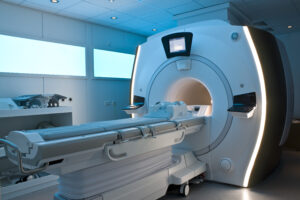
Beyond therapy, medical physicists play a crucial role in diagnostic imaging modalities such as X-rays, MRI, CT scans, and ultrasound. They optimize imaging protocols, calibrate devices, and enforce safety standards to produce high-quality images essential for accurate diagnosis while minimizing radiation exposure to patients and staff.
- Protocol Optimization:
Adjusting imaging parameters to balance image quality and patient safety. - Regulatory Compliance:
Ensuring adherence to radiation safety guidelines and legal requirements.
Advancements and Research in Medical Physics
Medical physicists contribute significantly to the development of innovative imaging techniques and therapeutic technologies. Their research efforts drive improvements such as functional MRI and positron emission tomography (PET), which enhance diagnostic precision and patient care.
- Innovation:
Developing new methodologies to improve imaging resolution and treatment accuracy. - Clinical Application:
Translating research findings into practical tools for healthcare providers.
Educational and Regulatory Roles
Medical physicists are instrumental in training healthcare professionals, including radiologic technologists and medical residents, on the safe use of imaging and radiation equipment. They also navigate complex regulatory frameworks to ensure institutional compliance with national and international safety standards.
- Training:
Educating staff on radiation safety principles and equipment operation. - Compliance Management:
Keeping institutions aligned with guidelines from bodies like the American College of Radiology (ACR) and the American Association of Physicists in Medicine (AAPM).
Interdisciplinary Collaboration
Effective patient care requires medical physicists to work alongside physicians, technologists, and nursing staff. This teamwork fosters comprehensive treatment planning and enhances communication across disciplines, although it may require navigating differing professional viewpoints.
- Team Integration:
Promoting a unified approach to patient management. - Communication Skills:
Bridging gaps between technical and clinical perspectives.
Emerging Trends: Artificial Intelligence and Medical Physics
The integration of artificial intelligence (AI) and machine learning into medical imaging and radiation therapy is reshaping the field. Medical physicists must adapt to these technologies, assessing their impact on patient safety and treatment efficacy while addressing ethical considerations.
- Technological Adaptation:
Leveraging AI to enhance diagnostic accuracy and treatment planning. - Ethical Oversight:
Ensuring AI applications align with patient-centered care principles.
Importance of Medical Physicists in Healthcare
Medical physicists are indispensable in modern healthcare, ensuring that complex technologies are applied safely and effectively. Their expertise directly influences patient outcomes by optimizing diagnostic and therapeutic procedures while maintaining stringent safety standards. As medical technology continues to evolve, their role will become increasingly vital in advancing healthcare quality and innovation.
Common Misconceptions About Medical Physicists
Medical physicists only work with radiation therapy.
They are also deeply involved in diagnostic imaging, equipment calibration, safety protocols, and research.
Their role is purely technical and does not involve patient interaction.
While often behind the scenes, medical physicists collaborate closely with clinical teams to directly impact patient care.
FAQ
What does a medical physicist do in radiation therapy?
They develop treatment plans that maximize tumor destruction while protecting healthy tissue, calibrate and maintain radiation equipment, and implement quality assurance protocols.
How do medical physicists ensure patient safety?
Through meticulous equipment calibration, adherence to safety standards, educating staff, and continuous quality assurance to prevent errors in radiation delivery.
Are medical physicists involved in research?
Yes, they contribute to developing new imaging techniques and improving existing technologies to enhance diagnostic and therapeutic outcomes.
What training do medical physicists provide?
They educate radiologic technologists, medical residents, and other healthcare personnel about safe equipment use and radiation safety principles.



Leave a Reply