

Short Answer
Definition
The intersection of physics and medical science represents a dynamic fusion of two disciplines that collectively drive innovation in healthcare. Physics explores the fundamental laws governing matter, energy, and forces, while medical science focuses on understanding the human body, diseases, and therapeutic strategies. Together, they form a synergistic relationship that enhances the development of medical technologies and improves patient care.
- Physics:
The study of natural laws including motion, energy, electromagnetism, and thermodynamics. - Medical Science:
The branch of science concerned with the diagnosis, treatment, and prevention of diseases and the maintenance of health.
Historical and Conceptual Overview
The collaboration between physics and medicine has evolved into a complex, interdependent system where physical principles elucidate biological phenomena. This partnership spans from microscopic cellular processes to macroscopic clinical applications, enabling a comprehensive understanding of human physiology through the lens of physics. The integration of these fields has been instrumental in advancing diagnostic methods, therapeutic techniques, and biomedical engineering.
Medical Imaging Technologies
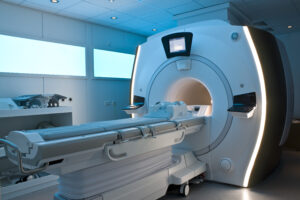
One of the most prominent examples of physics applied in medicine is the development of imaging modalities that allow non-invasive visualization of internal body structures. Techniques such as Magnetic Resonance Imaging (MRI) and Computed Tomography (CT) scans rely heavily on physical principles to generate detailed anatomical images.
- Magnetic Resonance Imaging (MRI):
Utilizes strong magnetic fields and radiofrequency pulses to manipulate proton spins in tissues, producing high-resolution images of soft tissues without ionizing radiation. - Computed Tomography (CT):
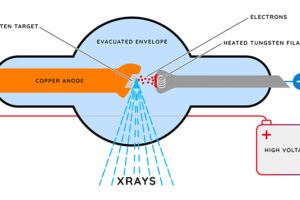
Employs X-rays and computer processing to create cross-sectional images, enabling detailed visualization of bones, organs, and blood vessels.
Radiation Therapy in Cancer Treatment
Radiation therapy exemplifies the practical application of physics in medical treatment, particularly in oncology. This approach uses ionizing radiation to target and destroy cancerous cells while minimizing damage to surrounding healthy tissue. The precise calibration of radiation doses is critical and depends on a deep understanding of radiation physics and tissue interactions.
- Ionizing Radiation:
High-energy particles or waves that can remove tightly bound electrons from atoms, causing cellular damage. - Dose Optimization:
Balancing effective tumor eradication with the preservation of normal tissue function.
Biomechanics and Prosthetics
The field of biomechanics merges physics, biology, and engineering to analyze the mechanical aspects of living organisms. This interdisciplinary approach is fundamental in designing prosthetic limbs and rehabilitation devices that replicate natural movement and enhance patient mobility.
- Force and Torque:
Key physical concepts applied to mimic the mechanical behavior of limbs. - Friction and Material Science:
Considerations for durability and comfort in prosthetic design.
Biophysics: Bridging Physics and Molecular Medicine
Biophysics applies quantitative physical methods to investigate biological molecules and cellular processes. This field provides insights into enzyme activity, protein folding, and molecular interactions by measuring energy changes and forces at the molecular level, thereby deepening our understanding of disease mechanisms.
Thermodynamics in Human Physiology
The human body functions as a thermodynamic system where energy transfer and metabolic reactions govern physiological states. Concepts such as heat exchange, metabolic rate, and bioenergetics are essential for understanding health conditions and managing treatments.
Emerging Technologies: AI and Physics in Medicine
Advancements in artificial intelligence and machine learning are increasingly influenced by principles derived from physics, particularly statistical mechanics. These technologies enhance data analysis, improve diagnostic accuracy, and enable personalized medicine through predictive modeling.
Common Misconceptions
Physics is only relevant to theoretical science and has little practical application in medicine.
Physics is integral to numerous medical technologies and treatments, from imaging to radiation therapy.
Medical science and physics operate independently without overlap.
These fields are deeply interconnected, with physics providing foundational knowledge that informs medical research and clinical practice.
Significance of the Physics-Medicine Nexus
The collaboration between physics and medical science is vital for the continuous advancement of healthcare. By applying physical laws to biological systems, researchers and clinicians develop innovative diagnostic tools, effective treatments, and rehabilitation technologies. This interdisciplinary synergy not only enhances patient outcomes but also propels scientific discovery, ensuring ongoing improvements in human health and well-being.
Future Perspectives
Looking ahead, the integration of physics and medicine is expected to deepen, driven by emerging fields such as nanotechnology, quantum biology, and advanced computational modeling. These developments promise to revolutionize personalized medicine, early disease detection, and therapeutic precision, underscoring the enduring importance of this interdisciplinary alliance.
FAQ
How does physics contribute to medical imaging?
Physics provides the fundamental principles behind imaging technologies like MRI and CT scans, enabling non-invasive visualization of the human body.
What role does radiation therapy play in cancer treatment?
Radiation therapy uses ionizing radiation to target and destroy cancerous cells while preserving healthy tissue, relying on principles from physics.
What is biophysics?
Biophysics applies quantitative physical methods to biological systems, helping to understand molecular interactions and disease mechanisms.



Leave a Reply