
Short Answer
Definition of Synthetic Biology
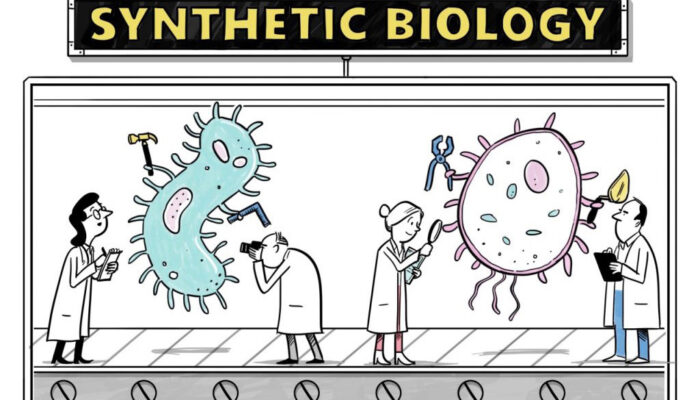
Synthetic biology is an interdisciplinary field that combines engineering principles with molecular biology and systems science to design, construct, and modify biological components and systems. Unlike traditional genetic engineering, which typically focuses on altering existing genes, synthetic biology aims to create entirely new biological parts, devices, and systems or redesign natural ones for practical applications. This approach integrates knowledge from computer science, mathematics, and engineering to enable precise manipulation of living organisms.
Core Principles Underlying Synthetic Biology
The foundation of synthetic biology rests on several essential concepts:
- Modularity:
Biological elements are treated as discrete, interchangeable units that can be combined in novel configurations, similar to mechanical parts in engineering. - Standardization:
Components are cataloged and designed to be reusable, facilitating efficient assembly and experimentation. - Abstraction:
Researchers focus on high-level system functions without needing to understand every molecular detail, simplifying complex biological design.
These principles enable a systematic “bioengineering cycle” involving the design, construction, testing, and iterative refinement of biological systems, often supported by computational modeling.
Techniques and Approaches in Synthetic Biology
Synthetic biology employs a diverse array of methodologies to engineer biological systems:
- CRISPR-Cas9 Gene Editing:
A groundbreaking tool that allows for highly accurate modification of DNA sequences within organisms. - Gene Synthesis and Pathway Engineering:
Techniques to create new genetic sequences and optimize metabolic pathways for desired functions. - Directed Evolution:
A process that mimics natural selection to evolve proteins or organisms with enhanced traits. - Computational Modeling:
Utilization of algorithms and systems biology to simulate genetic circuits and predict system behavior, reducing experimental trial-and-error.
Applications Across Various Sectors
Synthetic biology’s versatility is evident in its broad range of applications:
- Healthcare:
Engineering microorganisms to produce pharmaceuticals and modifying immune cells, such as T-cells, to target diseases like cancer, showcasing transformative medical therapies. - Agriculture:
Developing crops with enhanced resistance to environmental stresses and pests, improving food security and nutritional value amid climate challenges. - Biofuels:
Optimizing microbes to convert biomass into renewable energy sources, reducing dependence on fossil fuels and promoting sustainability. - Environmental Remediation:
Designing microbes capable of breaking down pollutants or extracting heavy metals from contaminated environments, offering innovative solutions to ecological problems.
Ethical and Safety Considerations
The rapid progress in synthetic biology brings significant ethical and safety challenges that must be carefully managed:
- Environmental Risks:
The accidental release of engineered organisms could disrupt ecosystems, necessitating stringent containment and monitoring protocols. - Intellectual Property and Access:
Issues surrounding ownership rights and equitable distribution of biotechnological innovations raise concerns about biopiracy and fairness. - Public Engagement:
Transparency and dialogue with society are crucial to build trust and address fears stemming from misunderstandings about synthetic biology.
Future Prospects and Emerging Trends
The horizon of synthetic biology is expanding rapidly, driven by advances in artificial intelligence and machine learning that enhance design and optimization processes. Increasing interdisciplinary collaboration promises to position synthetic biology as a pivotal science of the 21st century, tackling pressing global challenges such as health inequities and environmental sustainability. This evolving field continues to redefine the boundaries of what is achievable in both natural and engineered biological systems.
Significance of Synthetic Biology
Synthetic biology represents a transformative leap in life sciences, merging innovation with practical problem-solving. By enabling the creation and reprogramming of biological systems, it holds the potential to revolutionize medicine, agriculture, energy, and environmental management. Its impact extends beyond science, influencing technology, ethics, and society, making it a critical area of study and development for the future.
FAQ
What is synthetic biology?
Synthetic biology is an interdisciplinary field that combines engineering principles with molecular biology to design and build new biological parts, devices, and systems.
How does synthetic biology differ from traditional genetic engineering?
Unlike traditional genetic engineering which modifies existing genes, synthetic biology aims to create entirely new biological systems using modular and standardized components.
What are some key techniques used in synthetic biology?
Techniques include CRISPR-Cas9 gene editing, gene synthesis, pathway engineering, directed evolution, and computational modeling.
What are common applications of synthetic biology?
Applications include creating pharmaceuticals, developing stress-resistant crops, producing biofuels, and environmental cleanup through engineered microbes.
What ethical issues are associated with synthetic biology?
Ethical concerns include potential environmental risks, intellectual property challenges, and the need for transparent public engagement.




Leave a Reply