

Short Answer
Definition of Medical Physics
Medical physics is a specialized scientific discipline that applies the principles and methods of physics to the diagnosis, treatment, and prevention of diseases in medicine. It integrates core physics concepts with medical technologies to improve patient care through precise imaging, radiation therapy, and the development of medical devices.
- Scope:
Encompasses diagnostic imaging, radiation therapy, nuclear medicine, and medical device innovation. - Role of Medical Physicists:
Ensure the safety, accuracy, and effectiveness of medical technologies and procedures.
Key Areas of Medical Physics
Diagnostic Imaging
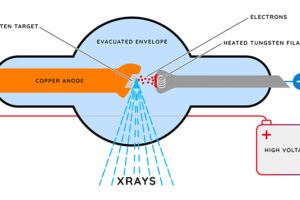
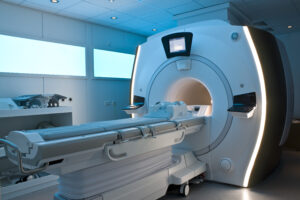
One of the most prominent branches of medical physics involves the use of various imaging modalities to visualize internal body structures. Techniques such as X-rays, computed tomography (CT), magnetic resonance imaging (MRI), and ultrasound are employed to generate detailed images that assist in diagnosis.
- Radiation Dose Management:
Medical physicists design protocols to optimize radiation exposure, balancing image quality with patient safety. - Image Processing:
Advanced computational methods, including image reconstruction and enhancement algorithms, improve the clarity and diagnostic value of medical images.
Radiation Therapy
In cancer treatment, medical physics is crucial for planning and delivering radiation doses that effectively target tumors while minimizing damage to healthy tissues. This involves complex calculations and simulations tailored to individual patient anatomy and tumor characteristics.
- Treatment Planning:
Utilizes sophisticated software and linear accelerators to customize radiation delivery. - Safety Assurance:
Continuous monitoring and calibration ensure treatments are both safe and effective.
Nuclear Medicine
This subfield uses radioactive materials for both diagnostic imaging and therapeutic interventions. Medical physicists oversee the safe handling and application of radioisotopes in procedures such as positron emission tomography (PET) scans and radioimmunotherapy.
- Interdisciplinary Knowledge:
Combines physics with biochemistry and pharmacology to manage radioactive substances. - Patient Safety:
Ensures precise dosing and minimizes radiation exposure risks.
Medical Device Development and Innovation
Medical physicists collaborate with engineers and manufacturers to design, test, and calibrate medical equipment. Their expertise guarantees that devices meet rigorous safety standards and perform optimally in clinical environments.
- Equipment Calibration:
Regular testing maintains accuracy and reliability of diagnostic and therapeutic tools. - Emerging Technologies:
Integration of artificial intelligence and machine learning into medical devices is expanding the field’s horizons.
Educational Pathway and Professional Standards
Becoming a medical physicist requires advanced education in physics combined with specialized clinical training. Typically, candidates earn graduate degrees and undergo rigorous certification processes to validate their expertise and adherence to professional standards.
- Academic Training:
Includes comprehensive study of medical sciences and hands-on clinical experience. - Certification:
Accredited board certifications ensure competence and ongoing professional development.
Technological Advances and Future Directions
Medical physics continues to evolve with the integration of digital health technologies, telemedicine, and remote patient monitoring. These advancements open new avenues for applying physics principles to enhance healthcare accessibility and quality.
- Telemedicine:
Enables remote diagnostics and treatment planning, expanding reach to underserved populations. - Digital Health:
Incorporates data analytics and real-time monitoring to improve patient outcomes.
Why Medical Physics is Essential
The field of medical physics is vital for advancing medical diagnostics and therapies, ensuring patient safety, and fostering innovation in healthcare technology. Its interdisciplinary nature bridges science and medicine, driving improvements that directly impact patient care and treatment success.
Common Misconceptions About Medical Physics
Medical physics is only about radiation.
While radiation plays a significant role, medical physics also encompasses non-ionizing imaging, device development, and computational modeling.
Medical physicists work only in research labs.
They are integral to clinical settings, ensuring the safe and effective use of medical technologies in hospitals and treatment centers.
Real-World Applications of Medical Physics
Medical physics underpins many everyday medical procedures and technologies:
- CT Scans and MRIs:
Provide detailed internal images that guide diagnosis and treatment. - Cancer Radiotherapy:
Tailored radiation treatments improve survival rates and reduce side effects. - Radioisotope Imaging:
PET scans detect metabolic activity, aiding early disease detection. - Medical Device Safety:
Ensures that equipment like pacemakers and infusion pumps operate reliably.
FAQ
What is medical physics?
Medical physics applies physics concepts to medicine, especially in imaging and radiation therapy.
What roles do medical physicists perform?
They develop treatment plans, ensure device safety, optimize imaging techniques, and support clinical applications.
How does medical physics improve cancer treatment?
By designing precise radiation therapy plans that maximize tumor damage while protecting healthy tissue.
What is the scope of nuclear medicine in medical physics?
It involves using radioactive substances for diagnosis and therapy, requiring expertise in physics, biochemistry, and pharmacology.
What qualifications are needed to become a medical physicist?
An advanced physics degree, clinical training, and board certification are generally required.



Leave a Reply