
Short Answer
Definition of Image Guided Radiotherapy (IGRT)
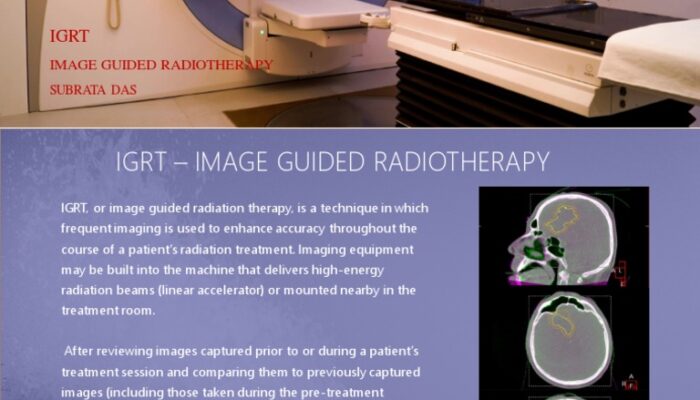
Image Guided Radiotherapy (IGRT) is a cutting-edge technique in radiation oncology that integrates advanced imaging methods with radiation treatment delivery to enhance the precision of cancer therapy. It involves the use of imaging, typically conducted immediately before or during radiation sessions, to verify and adjust the position of the tumor, ensuring that radiation is accurately targeted. This approach aligns the patient’s anatomy with the treatment plan dynamically, embodying the principles of precision medicine.
Historical Development and Technological Evolution
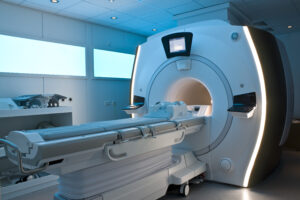
The progression of IGRT is closely linked to advancements in medical imaging over recent decades. Initially, radiation therapy planning depended on static imaging tools such as X-rays and computed tomography (CT) scans, which provided limited real-time feedback. The emergence of sophisticated imaging technologies-like cone-beam computed tomography (CBCT), magnetic resonance imaging (MRI), and ultrasound-has revolutionized tumor visualization, allowing clinicians to monitor tumor location with exceptional accuracy during treatment.
Core Components and Mechanisms of IGRT
IGRT relies on a combination of imaging systems and positioning technologies to ensure geometric precision in radiation delivery. A key element is the use of fiducial markers-small, radiopaque objects implanted in or near the tumor-that serve as reference points for aligning the radiation beam. These markers enable clinicians to confirm tumor location relative to pre-established coordinates, thereby enhancing targeting accuracy and minimizing radiation exposure to non-cancerous tissues.
Adaptive Treatment and Anatomical Variability
One of the primary strengths of IGRT is its ability to adapt to anatomical changes occurring throughout the treatment course. Variations such as tumor shrinkage, patient weight fluctuations, or organ motion due to breathing can alter the tumor’s position. IGRT addresses these challenges by providing real-time imaging feedback, allowing clinicians to modify treatment plans accordingly and maintain optimal targeting throughout therapy.
Benefits of IGRT in Radiation Oncology
- Enhanced Targeting Precision:
By continuously verifying tumor location, IGRT ensures that radiation is delivered exactly where needed, improving treatment accuracy. - Reduced Radiation to Healthy Tissue:
Precise localization allows for dose escalation to tumors while sparing surrounding healthy organs, decreasing side effects. - Improved Clinical Outcomes:
Studies have demonstrated better local tumor control and reduced complications, especially in cancers such as prostate and head-and-neck malignancies. - Patient-Centered Care:
IGRT supports personalized treatment approaches, involving patients more actively in their care through transparent imaging and planning processes.
Clinical Applications and Real-World Examples
IGRT is widely applied in treating various cancers where precision is critical. For instance, in prostate cancer, IGRT allows for daily adjustments to account for organ movement, enhancing tumor targeting while protecting the bladder and rectum. Similarly, in head-and-neck cancers, IGRT compensates for anatomical changes due to weight loss or tumor regression, maintaining treatment accuracy and reducing toxicity to vital structures like the spinal cord and salivary glands.
Challenges and Limitations in IGRT Implementation
Despite its advantages, IGRT presents several obstacles. The technology demands significant investment in advanced imaging equipment and specialized training for healthcare professionals. This can limit accessibility, particularly in under-resourced healthcare settings. Additionally, the complexity of interpreting imaging data requires expertise to avoid errors in treatment delivery.
Ethical Considerations and Patient Communication
Implementing IGRT raises important ethical issues, especially regarding informed consent. Patients must be thoroughly educated about the benefits and potential risks associated with advanced imaging during therapy. The possibility of over-treatment or anxiety stemming from frequent imaging results necessitates clear, compassionate communication to support patient understanding and decision-making.
Future Directions and Innovations
The future of IGRT is promising, with ongoing advancements in imaging technology and artificial intelligence (AI) poised to further refine treatment precision. Machine learning algorithms may soon enable automated, real-time adaptation of radiation plans based on continuous imaging data, potentially transforming cancer management by enhancing efficiency and outcomes.
Significance of IGRT in Modern Cancer Treatment
IGRT represents a significant leap forward in the convergence of technology and clinical oncology. By enabling highly accurate radiation delivery that minimizes harm to healthy tissues, it exemplifies the goals of modern cancer therapy: maximizing efficacy while reducing side effects. As technology evolves, IGRT is expected to remain a cornerstone of personalized, precise, and compassionate cancer care.
FAQ
What does IGRT stand for?
IGRT stands for Image Guided Radiotherapy, a technique used in radiation oncology.
How does IGRT improve cancer treatment?
IGRT improves cancer treatment by providing real-time imaging to ensure that radiation is accurately targeted to the tumor.
What are the main benefits of IGRT?
The main benefits of IGRT include enhanced targeting precision, reduced radiation exposure to healthy tissues, and improved clinical outcomes.



Leave a Reply