
Short Answer
Definition of Energy and Environmental Management
Energy and environmental management is a comprehensive discipline focused on the responsible use of energy resources while ensuring the protection and preservation of the natural environment. It encompasses a wide range of practices, from optimizing energy consumption to strategic planning aimed at sustainable development. This field addresses both the technical aspects of energy efficiency and the ethical considerations of environmental stewardship, reflecting the growing importance of balancing human needs with ecological health in today’s energy-reliant society.
Core Principles of Energy Management
At its essence, energy management involves the deliberate control and regulation of energy flows to achieve economic, environmental, and social objectives. It requires systematic planning and the implementation of strategies designed to enhance energy efficiency, reduce operational costs, and minimize environmental harm. The ultimate goal is to maintain energy consumption at levels that satisfy present demands while safeguarding resources for future generations, thereby promoting long-term sustainability.
Environmental Management: Protecting Ecosystems and Resources
Environmental management complements energy management by focusing on the stewardship of natural resources and ecosystems. Rather than merely reacting to environmental damage, it adopts a proactive approach that anticipates and mitigates potential ecological disruptions. This approach recognizes the complex and often unpredictable consequences of human activities on the environment, urging organizations and governments to adopt more sustainable resource utilization practices.
Interconnection Between Energy and Environmental Management
The relationship between energy and environmental management becomes particularly evident when examining energy sources. Traditional fossil fuels, while historically favored for their availability and low cost, pose significant environmental challenges such as air pollution, climate change, and biodiversity loss. This has led to an increasing shift toward renewable energy sources like wind, solar, and geothermal power, which offer cleaner alternatives that better align with ecological preservation goals.
Renewable Energy Technologies and Their Impact
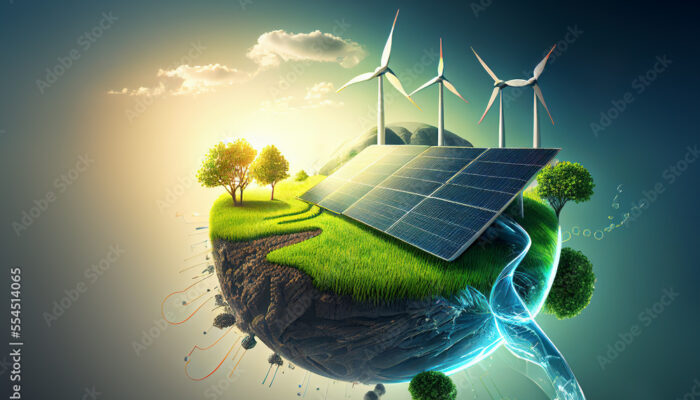
Renewable energy technologies, such as wind turbines and solar panels, exemplify the potential for sustainable energy production. Wind turbines convert atmospheric kinetic energy into electricity with minimal environmental disruption, contributing to reduced greenhouse gas emissions. Similarly, solar energy harnesses sunlight to generate power, supporting both residential and commercial energy needs. These technologies not only reduce environmental footprints but also stimulate discussions on energy policy, economic incentives, and technological innovation.
Challenges in Transitioning to Renewable Energy
Despite their benefits, renewable energy sources face challenges, particularly related to intermittency-the variability of energy generation due to weather conditions and time of day. To address these issues, energy storage solutions such as batteries and pumped hydro storage are critical for maintaining a reliable energy supply. Additionally, the adoption of smart grid technologies enhances the flexibility and responsiveness of energy distribution systems, enabling better integration of renewable sources into the energy mix.
Strategic Frameworks in Environmental Management
Environmental management employs various strategic principles to protect ecosystems and conserve resources. The precautionary principle, for example, advocates for caution and foresight when dealing with uncertain environmental risks, especially in energy projects where ecological impacts can be profound and long-lasting. Such frameworks encourage sustainable decision-making that prioritizes ecological integrity alongside human development.
The Role of Sustainability in Energy and Environmental Practices
Sustainability has become a central theme in both energy and environmental management, aiming to harmonize economic growth, social equity, and environmental protection. Corporate social responsibility (CSR) initiatives within the energy sector promote sustainable practices through transparent reporting, circular economy models, and active stakeholder engagement. Companies increasingly recognize that maintaining a strong environmental reputation can enhance their market competitiveness and appeal to environmentally conscious consumers.
Ethical Considerations and Philosophical Foundations
The ethical dimension of energy and environmental management underscores humanity’s responsibility as caretakers of the Earth. This perspective calls for thoughtful decision-making that balances ecological preservation with societal welfare. Understanding the intricate link between human actions and environmental health fosters a culture of mindful consumption and long-term ecological stewardship.
Importance and Future Outlook
Energy and environmental management represent a vital interdisciplinary nexus that combines scientific innovation, ethical responsibility, and economic strategy. As climate change presents escalating challenges, adopting integrated management approaches becomes essential. This field offers numerous opportunities for advancements in energy efficiency, renewable technologies, and policy development, all of which are crucial for securing a sustainable future for coming generations.
Summary
In summary, energy and environmental management are critical fields that explore the dynamic relationship between human civilization and the natural world. They encourage a comprehensive evaluation of resource use and environmental impact, urging diverse stakeholders to collaborate in fostering sustainability. The fusion of energy efficiency with environmental care exemplifies human ingenuity and highlights the urgent need for responsible stewardship of our planet’s finite resources.
FAQ
What is energy and environmental management?
It is a field that integrates the efficient use of energy resources with the protection and management of the environment to promote sustainable development.
Why is renewable energy important in this field?
Renewable energy sources reduce greenhouse gas emissions and environmental harm, supporting a sustainable energy future.
How do smart grids enhance energy management?
Smart grids enable flexible and efficient energy distribution by allowing real-time monitoring and adaptive responses to energy demand and supply.





Leave a Reply