
Short Answer
Definition of Magnetic Resonance Imaging (MRI)
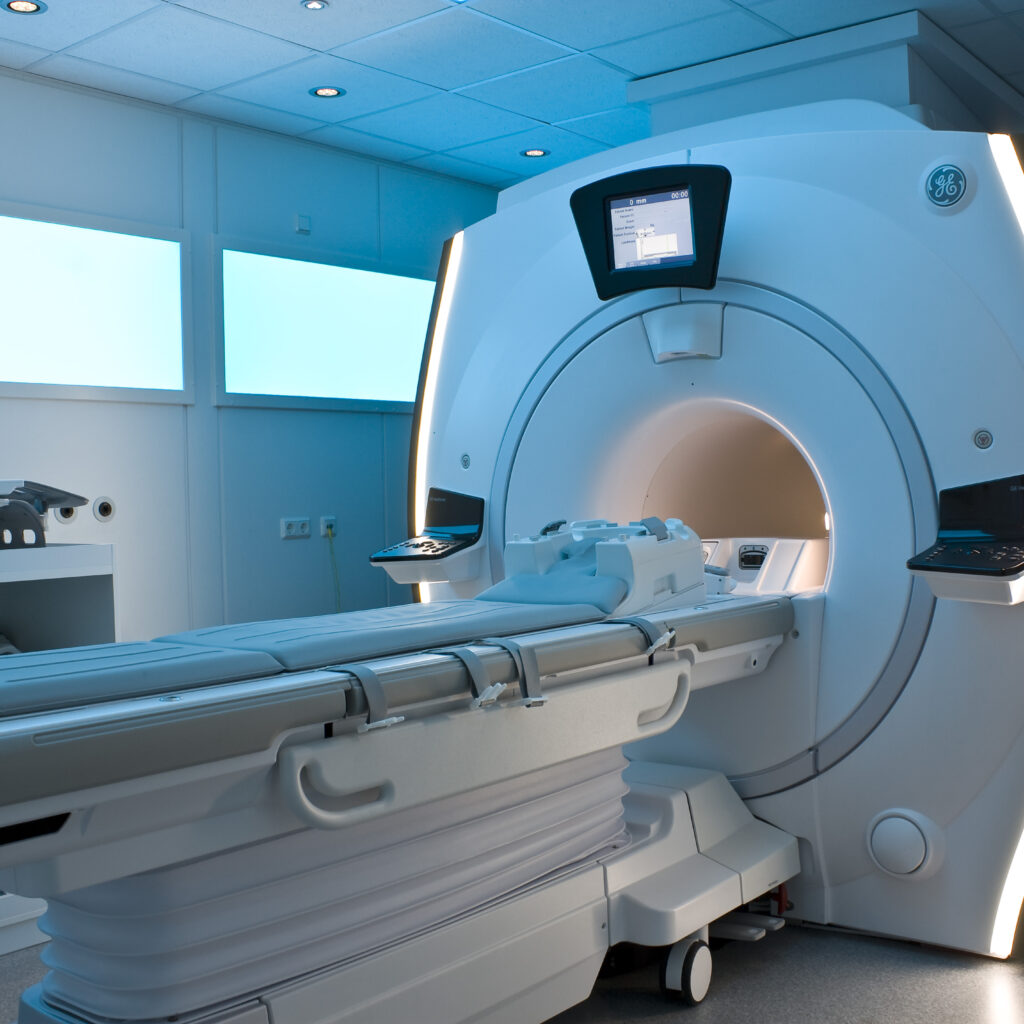
Magnetic Resonance Imaging (MRI) is an advanced diagnostic technique that utilizes magnetic fields and radio waves to produce detailed images of the internal structures of the body. Unlike traditional imaging methods such as X-rays or CT scans, MRI does not use ionizing radiation, making it a safer option for repeated examinations. This technology has revolutionized medical diagnostics by providing critical insights into both normal physiology and pathological conditions, thereby aiding in precise diagnosis and treatment planning.
Fundamental Principles of MRI
The operation of an MRI system is based on the interaction between strong magnetic fields and radiofrequency energy. Central to the device is a powerful magnet, often superconducting, which generates a consistent and intense magnetic field. When a patient is placed inside this field, the hydrogen protons in water and fat molecules within the body align with the magnetic field’s direction. The system then emits radiofrequency pulses that temporarily disrupt this alignment. As the protons realign to their original state, they emit signals that are detected and processed to form high-resolution images of the body’s internal anatomy.
Magnetic Field and Proton Alignment
- Magnetic Field:
Creates a uniform environment causing protons to align along its axis. - Radiofrequency Pulses:
Disturb the alignment of protons, initiating signal emission upon relaxation. - Signal Detection:
Captures emitted radio waves to reconstruct detailed cross-sectional images.
Tissue Contrast and Relaxation Times
The contrast in MRI images arises from differences in tissue properties, particularly the T1 and T2 relaxation times. These intrinsic characteristics describe how quickly protons return to equilibrium after excitation, enabling various imaging sequences that highlight different tissue types and pathological changes.
Clinical Applications of MRI
MRI’s versatility makes it invaluable across numerous medical specialties. It is extensively used in neuroimaging to visualize brain and spinal cord structures, aiding in the diagnosis of tumors, multiple sclerosis, strokes, and other neurological disorders. In musculoskeletal medicine, MRI provides detailed views of joints, muscles, and soft tissues, facilitating the detection of injuries and degenerative conditions that may not be visible with other imaging techniques.
Oncological Imaging
MRI plays a pivotal role in cancer diagnosis and management by enabling precise tumor characterization and staging. It helps delineate tumor boundaries and assess involvement of adjacent tissues, which is crucial for surgical planning and treatment strategies.
Functional MRI (fMRI)
Functional MRI extends the capabilities of conventional MRI by measuring changes in blood flow related to neural activity. This technique allows researchers and clinicians to map brain function, enhancing our understanding of cognitive processes and neurological diseases.
Advanced MRI Techniques and Innovations
Recent developments in MRI technology have introduced sophisticated methods such as diffusion tensor imaging (DTI) and magnetic resonance spectroscopy (MRS). DTI maps the orientation and integrity of neural pathways, offering valuable insights into brain connectivity and disorders like neurodegeneration and psychiatric illnesses. MRS provides biochemical information about tissue metabolism, which is instrumental in cancer diagnosis and monitoring therapeutic responses.
High-Field MRI Systems
Emerging high-field MRI scanners, operating at magnetic strengths exceeding 3 Tesla, deliver superior image resolution and clarity. These advancements enhance diagnostic precision and enable the visualization of finer anatomical details.
Improvements in Imaging Speed and Quality
Enhanced hardware and sophisticated image reconstruction algorithms have significantly reduced scan times, improving patient comfort and increasing clinical throughput without compromising image quality.
Integration of Artificial Intelligence in MRI
The incorporation of artificial intelligence (AI) into MRI workflows is transforming diagnostic imaging. Machine learning models are being developed to automatically analyze MRI data, detect abnormalities, and predict clinical outcomes with high accuracy. This integration not only streamlines radiological assessments but also supports clinicians in making more informed decisions.
Challenges and Limitations of MRI
- High Cost:
MRI machines are expensive to acquire and maintain, limiting accessibility in low-resource settings. - Specialized Training:
Operating MRI equipment requires skilled personnel, which can be a barrier in some healthcare environments. - Patient Contraindications:
Individuals with certain implants, such as pacemakers or metal fragments, may be unable to undergo MRI due to safety concerns related to the magnetic field.
Significance of MRI in Modern Medicine
MRI represents a remarkable intersection of physics and medical science, offering a non-invasive window into the human body’s inner workings. Its ability to provide detailed anatomical and functional information without radiation exposure has transformed diagnostic imaging and patient care. As technological advancements continue to enhance MRI’s capabilities, this modality is poised to unlock deeper insights into health and disease, ultimately improving clinical outcomes and expanding the horizons of medical research.
FAQ
What does an MRI machine do?
An MRI machine uses magnetic fields and radio waves to create detailed images of the inside of the body without using ionizing radiation.
Is MRI safe compared to other imaging methods?
Yes, MRI does not use ionizing radiation, making it safer for repeated use compared to X-rays or CT scans.
What are the limitations of MRI?
MRI machines are expensive, require specialized training to operate, and patients with certain implants cannot undergo MRI scans.
What are some advanced MRI techniques?
Advanced MRI techniques include functional MRI (fMRI), diffusion tensor imaging (DTI), and magnetic resonance spectroscopy (MRS), which provide additional functional and biochemical information.




Leave a Reply