

Short Answer
Definition of Radiation Oncology
Radiation oncology is a specialized branch of medicine focused on treating cancer by utilizing ionizing radiation. This therapeutic approach aims to eradicate malignant cells while preserving the integrity of surrounding healthy tissues. The discipline merges principles from physics and biology to develop effective cancer treatments.
- Ionizing Radiation:
High-energy particles or waves used to damage the DNA of cancer cells, leading to their destruction. - Therapeutic Goal:
Maximize tumor control while minimizing harm to normal tissues.
The Role of a Radiation Oncologist
Radiation oncologists are medical professionals who specialize in the comprehensive management of cancer patients through radiation therapy. Their responsibilities extend beyond administering treatment to include diagnosis, treatment planning, patient counseling, and multidisciplinary collaboration.
Patient Evaluation and Diagnosis
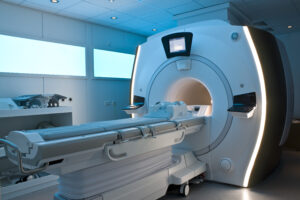
The initial phase involves detailed consultations where the oncologist gathers extensive medical histories and assesses the patient’s overall health. Diagnostic tools such as biopsies and advanced imaging techniques-including computed tomography (CT), magnetic resonance imaging (MRI), and positron emission tomography (PET)-are interpreted to determine tumor characteristics like size, location, and involvement of adjacent structures.
Collaborative Treatment Strategy
Following diagnosis, radiation oncologists work closely with other cancer specialists, such as medical and surgical oncologists, to formulate an individualized treatment plan. This multidisciplinary approach ensures that all aspects of the patient’s condition are considered for optimal outcomes.
Treatment Planning and Delivery
Designing an effective radiation treatment plan requires integrating clinical insights with physics expertise. Radiation oncologists collaborate with medical physicists to calculate precise radiation doses and determine optimal delivery angles, balancing tumor eradication with the preservation of healthy tissue.
- External Beam Radiation Therapy (EBRT):
A common method where radiation is delivered from outside the body targeting the tumor. - Brachytherapy:
Involves placing radioactive sources directly inside or near the tumor. - Stereotactic Body Radiation Therapy (SBRT):
A highly precise technique delivering intense doses over fewer sessions.
Technological Advancements in Radiation Oncology
The field is continuously advancing with innovations that enhance treatment precision and patient safety. Techniques such as image-guided radiation therapy (IGRT) and intensity-modulated radiation therapy (IMRT) have revolutionized how radiation is administered.
Emerging Technologies
Artificial intelligence (AI) is increasingly integrated into treatment planning, enabling the analysis of large datasets to tailor radiation delivery more effectively. This data-driven approach holds promise for improving patient outcomes by optimizing therapy personalization.
Ensuring Patient Safety and Ongoing Care
Patient safety is paramount in radiation oncology. Oncologists monitor for side effects ranging from localized skin irritation to systemic complications caused by radiation exposure. Effective communication is essential to educate patients about potential adverse effects and symptom management.
Radiation oncologists maintain continuous engagement with patients throughout the treatment duration, often spanning several weeks or months. This ongoing relationship allows for real-time adjustments to therapy and fosters trust, which is critical for successful treatment adherence and patient well-being.
Integration of Research and Clinical Practice
Many radiation oncologists actively participate in clinical research, contributing to the development of new therapeutic techniques and protocols. Their involvement in clinical trials bridges the gap between scientific discovery and patient care, facilitating improvements in survival rates and quality of life.
Dissemination of research findings through peer-reviewed publications and professional conferences promotes global collaboration and advances the field as a whole.
Why Radiation Oncology is Vital
Radiation oncology plays a crucial role in modern cancer treatment by offering targeted therapies that can effectively control or eradicate tumors. The specialty’s integration of technology, biology, and patient-centered care exemplifies the multidisciplinary nature of contemporary medicine. As innovations continue to emerge, radiation oncologists remain at the forefront, driving progress that enhances both clinical outcomes and patient experiences.
Common Misconceptions About Radiation Oncology
Radiation therapy is always painful.
Radiation treatments are generally painless; discomfort may arise from side effects but not from the radiation itself.
Radiation oncologists only deliver radiation.
Their role encompasses diagnosis, treatment planning, patient management, and research, beyond just administering radiation.
FAQ
What is radiation oncology?
Radiation oncology is a medical specialty focused on treating cancer using ionizing radiation to destroy malignant cells while protecting healthy tissue.
What does a radiation oncologist do during patient evaluation?
They conduct detailed consultations, review medical history, and interpret diagnostic imaging to assess tumor characteristics.
How do radiation oncologists work with other specialists?
They collaborate with medical and surgical oncologists to develop comprehensive treatment plans tailored to each patient.
What are common misconceptions about radiation oncology?
One misconception is that radiation therapy is always painful; in reality, treatments are generally painless. Another is that radiation oncologists only deliver radiation, whereas they also manage diagnosis, planning, and research.


Leave a Reply