

Short Answer
Definition of Medical Physics
Medical physics is a specialized discipline that merges the principles of physics with medical science to enhance healthcare delivery. It focuses on the application of physical concepts and techniques to diagnose and treat diseases, particularly through advanced medical technologies. This field plays a vital role in improving patient outcomes by ensuring the safety, accuracy, and effectiveness of medical procedures involving radiation and imaging.
Core Areas of Medical Physics
Medical physics encompasses several key domains, each with distinct responsibilities and challenges:
- Diagnostic Imaging:
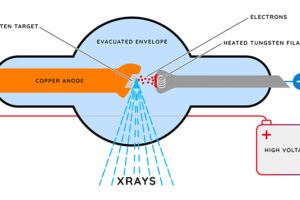
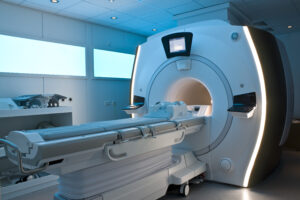
Involves optimizing and maintaining imaging technologies such as X-rays, MRI, CT scans, and ultrasound to produce high-quality diagnostic images while minimizing patient exposure to radiation. - Radiation Therapy:
Focuses on planning and delivering precise radiation doses to treat cancerous tumors, ensuring maximum damage to malignant cells while protecting healthy tissues. - Nuclear Medicine:
Deals with the safe use of radioactive substances for both diagnostic imaging and therapeutic purposes, including PET scans and radiopharmaceutical treatments.
Role and Responsibilities in Diagnostic Imaging
Medical physicists are essential in the field of diagnostic imaging, where they ensure that imaging devices operate safely and efficiently. Their duties include calibrating equipment, developing protocols to reduce radiation doses, and conducting quality assurance tests to maintain consistent image quality. They also train radiology personnel on best practices to safeguard patients and staff from unnecessary radiation exposure.
Contributions to Radiation Therapy
In radiation therapy, medical physicists collaborate closely with oncologists to design treatment plans that deliver accurate radiation doses tailored to individual patients. They utilize dosimetry-the science of measuring radiation doses-to calculate and verify the amount of radiation administered. Additionally, they oversee the commissioning and routine calibration of therapeutic machines like linear accelerators, ensuring treatments meet stringent safety and efficacy standards.
Involvement in Nuclear Medicine
Medical physicists play a critical role in nuclear medicine by managing the use of radioactive materials for diagnostic and therapeutic applications. They ensure compliance with regulatory requirements for handling and disposing of radioactive substances, and they monitor patient safety during procedures involving radiation, such as PET imaging and radiopharmaceutical therapies.
Research and Innovation in Medical Physics
Beyond clinical duties, medical physicists engage in research aimed at advancing medical technologies and treatment methods. Their work includes developing new imaging techniques, improving radiation delivery systems, and exploring innovative therapies for diseases like cancer. These efforts contribute to the continuous evolution of medical physics and enhance patient care quality.
Specializations Within Medical Physics
The field offers various areas of specialization, each requiring in-depth knowledge and skills:
- Therapeutic Medical Physics: Concentrates on radiation treatment planning and delivery.
- Diagnostic Imaging Physics: Focuses on optimizing imaging technologies and protocols.
- Nuclear Medicine Physics: Deals with radioactive materials used in diagnosis and therapy.
- Health Physics: Emphasizes radiation safety and protection for patients and healthcare workers.
Compensation and Career Outlook
Medical physicists’ salaries vary depending on education, experience, location, and workplace setting. In the United States, annual earnings typically range from $100,000 to $150,000, with entry-level positions on the lower end and seasoned specialists earning more. Academic institutions and large healthcare facilities may offer additional benefits and opportunities for career advancement, including leadership roles with higher remuneration.
Why Medical Physics Is Essential
The integration of physics into medicine through medical physics is crucial for modern healthcare. It ensures that diagnostic imaging and therapeutic procedures are both safe and effective, directly impacting patient diagnosis and treatment success. As medical technologies become increasingly sophisticated, the expertise of medical physicists is indispensable in maintaining high standards of care and advancing medical science.
Common Misconceptions About Medical Physics
Medical physicists only work with radiation therapy.
While radiation therapy is a major area, medical physicists also specialize in diagnostic imaging, nuclear medicine, and radiation safety.
Medical physics is purely theoretical.
The field involves practical applications, including equipment calibration, patient safety, and clinical treatment planning.
FAQ
What do medical physicists do?
Medical physicists ensure the safety and effectiveness of medical technologies used in diagnosis and treatment, including calibrating equipment and developing protocols.
Why is medical physics important?
Medical physics is essential for ensuring that diagnostic and therapeutic procedures are safe and effective, directly impacting patient outcomes.




Leave a Reply