
Short Answer
Definition of Medical Physics
Medical physics is a multidisciplinary field that merges principles of physics with medical science to improve healthcare outcomes. It involves the application of physical concepts and technologies to diagnose, treat, and understand diseases. This domain spans a wide array of specialties, including medical imaging, radiation therapy, dosimetry, and the integration of emerging technologies such as artificial intelligence and genomics into clinical practice.
Key Challenges in Medical Physics
Despite significant technological advancements, medical physics faces numerous unresolved issues that impact patient care and treatment efficacy. These challenges are not only technical but also involve complex biological and ethical considerations.
Optimizing Radiation Therapy
One of the foremost challenges is refining radiation therapy to maximize tumor eradication while minimizing damage to healthy tissues. Although techniques like Intensity-Modulated Radiation Therapy (IMRT) have enhanced the precision of radiation delivery, patient-specific biological differences complicate treatment outcomes. Variability in tumor radioresistance and the sensitivity of surrounding normal tissues remain poorly understood, hindering the development of universally effective treatment protocols. Advancing predictive models that incorporate these biological factors is crucial for personalized therapy optimization.
Advancements and Limitations in Medical Imaging
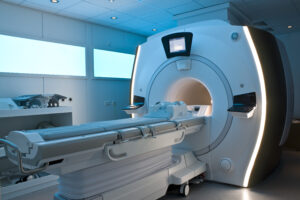
Medical imaging technologies, such as Magnetic Resonance Imaging (MRI), provide invaluable diagnostic information, especially due to their superior soft tissue contrast. However, challenges persist in improving image resolution and tissue characterization without extending scan durations or compromising patient comfort. Emerging modalities like diffusion tensor imaging and functional MRI offer promising insights but require standardized interpretation frameworks and cross-institutional consistency to be clinically reliable.
Dosimetry and Radiation Dose Measurement
Accurate dosimetry-the quantification of radiation doses delivered to patients-is vital for effective and safe treatment. Despite improvements, uncertainties in dose measurement and delivery remain significant concerns. Integrating advanced sensor technologies with sophisticated computational models could enhance dosimetric accuracy, but obstacles such as calibration difficulties, lack of standardization, and the absence of real-time feedback mechanisms impede progress.
Managing Tumor Motion in Image-Guided Radiation Therapy (IGRT)
Image-Guided Radiation Therapy has revolutionized precision medicine by enabling real-time imaging during treatment. Nevertheless, managing tumor motion caused by respiration, patient movement, and biological variability remains a critical unresolved issue. Current motion management techniques, including gating and tracking, are insufficiently precise. Developing predictive algorithms that account for these dynamic changes is essential to improve targeting accuracy and treatment outcomes.
Ethical and Operational Challenges of Artificial Intelligence
The integration of artificial intelligence (AI) into diagnostics and treatment planning introduces complex ethical and practical dilemmas. While AI enhances analytical accuracy, the intricate nature of human biology complicates validation and regulatory approval. Concerns about data bias, algorithm transparency, and the risk of misclassification necessitate rigorous scrutiny to ensure AI systems are safe, equitable, and effective in clinical settings.
Personalized Medicine and Genomic Integration
The future trajectory of medical physics is closely linked to personalized medicine, particularly the incorporation of genomic data into treatment strategies. Tailoring therapies based on an individual’s genetic makeup requires a deep understanding of molecular disease mechanisms and their influence on treatment response. This interdisciplinary challenge demands collaboration among medical physicists, oncologists, and geneticists to decode complex biological interactions and translate them into clinical practice.
Telemedicine and Remote Healthcare Delivery
The rise of telemedicine, accelerated by the COVID-19 pandemic, has prompted a reassessment of traditional healthcare delivery models. Remote consultations, digital imaging, and patient monitoring introduce technical and ethical challenges, including data security, patient privacy, and the reliability of transmitted medical information. Establishing robust telemedicine infrastructures that comply with regulatory standards is imperative to ensure safe and effective remote care.
How Medical Physics Advances Patient Care
Medical physics plays a pivotal role in enhancing diagnostic accuracy, improving therapeutic precision, and fostering innovation in healthcare technologies. By addressing the unresolved challenges outlined above, the field contributes to safer, more effective treatments and personalized patient management. The synergy between scientific research and clinical application drives continuous improvements in patient outcomes.
Interdisciplinary Collaboration: A Path Forward
Solving the complex problems in medical physics requires coordinated efforts among physicists, clinicians, engineers, and researchers. Combining rigorous scientific methodologies with clinical insights fosters an environment conducive to innovation. This collaborative approach is essential for developing novel solutions that bridge the gap between theoretical advances and practical healthcare applications.
Why Addressing These Challenges Is Crucial
The unresolved issues in medical physics represent frontiers with the potential to transform healthcare. Tackling these problems not only advances scientific knowledge but also directly impacts patient safety, treatment effectiveness, and quality of life. As technology evolves and our understanding of human biology deepens, addressing these challenges becomes increasingly vital to harnessing the full potential of medical physics in modern medicine.
FAQ
What is medical physics?
Medical physics is a multidisciplinary field that applies physics principles to medical science to enhance healthcare outcomes.
What are the main challenges in medical physics?
Key challenges include optimizing radiation therapy, improving medical imaging techniques, ensuring accurate dosimetry, addressing AI ethical issues, and integrating personalized medicine.
Why is interdisciplinary collaboration important in medical physics?
Collaboration among physicists, clinicians, and researchers is crucial to develop innovative solutions that bridge theoretical advances and practical healthcare applications.



Leave a Reply