
Short Answer
Definition of Medical Imaging
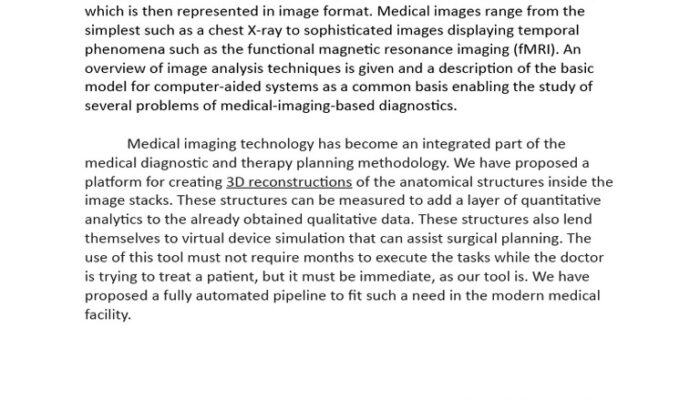
Medical imaging encompasses a variety of techniques and technologies used to create visual representations of the interior of a body for clinical analysis and medical intervention. These methods enable healthcare professionals to observe anatomical structures and physiological processes non-invasively, facilitating accurate diagnosis, treatment planning, and monitoring of diseases.
Innovative Magnetic Resonance Imaging (MRI) Techniques
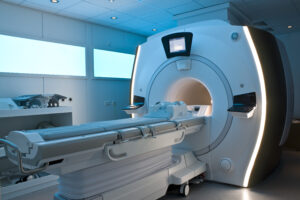
Magnetic Resonance Imaging (MRI) has evolved significantly, introducing advanced modalities that deepen our understanding of brain function and structure. Two notable innovations include functional MRI (fMRI) and diffusion tensor imaging (DTI).
- Functional MRI (fMRI):
This technique measures changes in blood oxygenation levels to map brain activity in real-time, providing insights into neural function and connectivity. - Diffusion Tensor Imaging (DTI):
DTI tracks the diffusion of water molecules along white matter tracts, revealing the orientation and integrity of neural pathways. It is especially valuable in diagnosing and monitoring neurological conditions such as multiple sclerosis and traumatic brain injuries.
Positron Emission Tomography (PET) and Its Advancements
Positron Emission Tomography (PET) plays a crucial role in visualizing metabolic activity at the cellular level, particularly in oncology and cardiology. Recent developments have expanded its diagnostic capabilities.
- Ammonia-PET:
This specialized PET scan assesses myocardial perfusion, improving the evaluation of heart diseases. - Hybrid PET/MRI Imaging:
Combining PET’s metabolic imaging with MRI’s detailed anatomical views allows simultaneous assessment of structure and function, enhancing diagnostic precision for complex disorders like brain tumors and neurodegenerative diseases.
Advances in Ultrasound Imaging
Ultrasound technology has progressed with techniques that provide more detailed tissue characterization and volumetric imaging.
- Elastography:
This method measures tissue stiffness, aiding in the detection of liver fibrosis and tumors by differentiating healthy from diseased tissue without invasive procedures. - Three-Dimensional (3D) Ultrasound:
3D ultrasound offers volumetric visualization, improving anatomical assessments in obstetrics and gynecology, which leads to better clinical outcomes.
Modern Computed Tomography (CT) Innovations
Computed Tomography (CT) has been enhanced through technological improvements that increase image quality and reduce radiation exposure.
- Multi-Detector CT (MDCT):
MDCT allows rapid acquisition of high-resolution images, facilitating comprehensive and swift diagnostic scans. - Iterative Reconstruction Techniques:
These algorithms reduce image noise, enabling lower radiation doses without sacrificing image clarity, which is particularly advantageous in pediatric imaging.
Emerging Photoacoustic Imaging Technology
Photoacoustic imaging merges optical and ultrasound methods to generate high-resolution images of tissue microstructures and functions. This technique is gaining traction in oncology for its ability to visualize vascular networks and detect tumor hypoxia non-invasively, potentially enabling earlier cancer diagnosis. Ongoing research aims to expand its applications to neurological and other diseases.
Hybrid Imaging Modalities: Combining Strengths
The fusion of different imaging technologies has led to hybrid modalities that offer comprehensive diagnostic information by integrating structural and functional data.
- PET/MRI Fusion:
This hybrid approach simultaneously captures metabolic and anatomical information, improving disease characterization and personalized treatment planning. - CT/MRI Integration:
Although still under exploration, combining CT’s rapid imaging with MRI’s soft tissue contrast aims to harness the advantages of both techniques for enhanced diagnostic accuracy.
Advanced Molecular Imaging
Molecular imaging focuses on visualizing biological processes at the molecular and cellular levels using targeted markers. This approach goes beyond traditional anatomical imaging by providing dynamic insights into disease mechanisms and treatment responses.
- Targeted Molecular Probes:
Ligands or peptides conjugated with imaging agents enable precise detection of pathological processes, which is critical in fields such as oncology, cardiology, and neurology.
Role of Artificial Intelligence in Medical Imaging
The integration of artificial intelligence (AI) into medical imaging is transforming image interpretation and workflow efficiency. Machine learning algorithms analyze large datasets to identify patterns, enhancing diagnostic accuracy and enabling earlier detection of diseases like cancer and cardiovascular disorders. AI also helps reduce human error and accelerates radiological assessments, supporting clinicians in delivering timely and precise care.
Significance of Medical Imaging Innovations
Advancements in medical imaging technologies have profoundly impacted healthcare by improving diagnostic precision, enabling minimally invasive procedures, and facilitating personalized treatment strategies. These innovations contribute to better patient outcomes, reduced healthcare costs, and expanded understanding of complex diseases, underscoring their vital role in modern medicine.
Summary
The field of medical imaging continues to evolve rapidly, with cutting-edge techniques such as advanced MRI, PET, ultrasound, CT, photoacoustic imaging, hybrid modalities, molecular imaging, and AI integration reshaping diagnostic and therapeutic approaches. Embracing these technologies promises to enhance clinical decision-making and patient care, marking a transformative era in medical science.
FAQ
What are innovative medical imaging techniques?
They are advanced imaging methods that improve visualization of anatomy and pathology, including new MRI methods, PET, ultrasound, CT, photoacoustic imaging, hybrid approaches, molecular imaging, and AI-assisted analysis.
How does elastography enhance ultrasound imaging?
Elastography measures tissue stiffness, aiding in distinguishing healthy from diseased tissues non-invasively, useful in liver fibrosis and cancer detection.
Why is hybrid imaging important?
Hybrid imaging combines strengths of different modalities to provide comprehensive metabolic and structural information, improving diagnosis and treatment planning.
What is the significance of AI in medical imaging?
AI enhances image interpretation accuracy, automates workflow, and enables earlier disease detection, potentially transforming radiology practice.


Leave a Reply