
Short Answer
Definition
The integration of physics into medicine represents a dynamic interdisciplinary field where physical principles are applied to understand, diagnose, and treat medical conditions. This fusion transforms complex biological processes into quantifiable phenomena, enabling advancements in medical technology and patient care.
- Medical Physics:
The application of physics concepts and methods to develop diagnostic tools and therapeutic techniques in healthcare. - Biophysics:
The study of biological systems through the lens of physical laws, focusing on molecular and cellular mechanisms.
Medical Imaging: Visualizing the Human Body
One of the most significant contributions of physics to medicine lies in medical imaging, where various physical principles allow clinicians to observe internal structures non-invasively.
X-ray Imaging
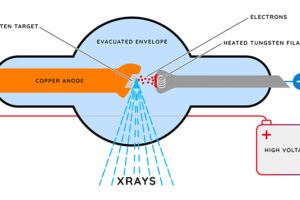
X-ray technology operates by passing electromagnetic radiation through the body, where different tissues absorb varying amounts of radiation. This differential absorption creates contrast on the resulting images, enabling the detection of fractures, tumors, and infections.
Computed Tomography (CT)
CT scanning builds upon X-ray imaging by capturing multiple images from different angles around the patient. These images are then processed using advanced algorithms to reconstruct detailed three-dimensional representations of internal anatomy, enhancing diagnostic precision.
Magnetic Resonance Imaging (MRI)
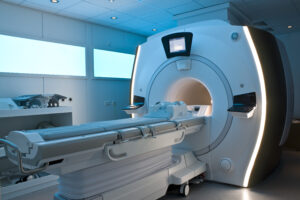
MRI utilizes the principles of nuclear magnetic resonance, aligning hydrogen nuclei within a strong magnetic field. Radiofrequency pulses perturb this alignment, and the emitted signals are translated into high-resolution images of soft tissues. Functional MRI (fMRI) extends this technology by mapping cerebral blood flow, providing insights into brain activity and neurological disorders.
Ultrasound Imaging
Ultrasound employs high-frequency sound waves that reflect differently off tissues depending on their acoustic impedance. This technique offers a safe, non-invasive method to visualize organs and monitor physiological functions in real time.
Therapeutic Applications of Physics in Medicine
Beyond imaging, physics plays a pivotal role in medical treatments, particularly in targeting diseases with precision and minimizing harm to healthy tissues.
Radiotherapy and Proton Therapy
Radiotherapy uses ionizing radiation to destroy cancerous cells. Proton therapy, a cutting-edge form of radiotherapy, utilizes charged particles that deposit energy more precisely within tumors, reducing collateral damage to surrounding healthy tissue.
Laser-Based Treatments
Lasers, grounded in optical physics, are employed in various medical procedures, from delicate ophthalmic surgeries to dermatological treatments. By selecting specific wavelengths and harnessing photothermal effects, lasers enable targeted, minimally invasive interventions.
Physics in Biophysics and Molecular Medicine
Physics principles extend into the microscopic realm, elucidating biological processes and enabling innovations at the molecular level.
- Thermodynamics and Fluid Dynamics:
These principles help explain cellular metabolism, blood flow, and other physiological functions. - Nanotechnology:
The engineering of nanoparticles for targeted drug delivery, enhanced imaging, and photothermal therapies exemplifies the convergence of physics and molecular medicine.
Wearable Technology and Physiological Monitoring
Advances in sensor technology, informed by physics, have led to the development of wearable devices that continuously monitor vital signs. For example, real-time glucose monitoring systems integrate physical sensors and data analytics to improve chronic disease management.
Ethical Considerations and Challenges
The rapid integration of physics-based technologies in medicine raises important ethical questions. Issues such as patient data privacy, informed consent, and equitable access to advanced treatments must be addressed to ensure responsible and fair use of these innovations.
Why the Intersection of Physics and Medicine is Crucial
The collaboration between physics and medicine drives significant progress in healthcare by enhancing diagnostic accuracy, improving therapeutic outcomes, and deepening our understanding of biological systems. This synergy fosters the development of novel technologies that have the potential to revolutionize patient care and medical research.
Looking Ahead: The Future of Physics in Medicine
As research continues to push boundaries, the partnership between physics and medicine promises groundbreaking discoveries and technologies. Embracing this interdisciplinary approach is essential for unlocking new potentials in healthcare and improving quality of life worldwide.
FAQ
What is the role of physics in medical imaging?
Physics principles are fundamental in medical imaging techniques such as X-rays, CT scans, MRI, and ultrasound, allowing non-invasive visualization of internal body structures.
How does radiotherapy utilize physics?
Radiotherapy uses ionizing radiation, guided by physics, to target and destroy cancer cells while minimizing damage to surrounding healthy tissues.
What are some ethical concerns related to physics in medicine?
Ethical concerns include patient data privacy, informed consent for new technologies, and ensuring equitable access to advanced medical treatments.



Leave a Reply