

Short Answer
Definition of Medical Physics
Medical physics is a specialized discipline that bridges the gap between healthcare and the physical sciences. It focuses on applying principles of physics to develop and improve medical technologies and treatments, particularly in areas such as diagnostic imaging, radiation therapy, and radiation safety. This field plays a crucial role in enhancing patient care through technological innovation and precise treatment methodologies.
Key Research Areas in Medical Physics
Optimization of Radiotherapy Techniques
Radiotherapy remains a cornerstone in cancer treatment, and refining its precision is a vital research focus. Investigations often center on developing advanced algorithms that optimize radiation dose delivery, ensuring maximum tumor targeting while sparing healthy tissues. Emerging approaches include leveraging machine learning models to predict ideal dose distributions and integrating multimodal imaging to enhance targeting accuracy during treatment planning.
Comparative Studies of Photon and Proton Beam Therapies
Photon and proton beam therapies represent two prominent radiation treatment modalities. Research in this domain involves evaluating their relative effectiveness across different tumor types by analyzing dosimetric parameters and clinical outcomes. Utilizing Monte Carlo simulations helps elucidate the physical interactions between radiation particles and biological tissues, offering insights into therapeutic benefits and potential risks associated with each modality.
Innovations in Medical Imaging Technologies
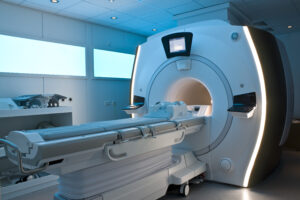
Advancements in imaging techniques such as Magnetic Resonance Imaging (MRI), Computed Tomography (CT), and Positron Emission Tomography (PET) open numerous research possibilities. Studies may focus on developing novel contrast agents to improve image clarity or exploring MRI splitting techniques to achieve higher resolution with shorter scan times. Additionally, integrating artificial intelligence for automated image segmentation and classification enhances diagnostic accuracy and efficiency.
Therapeutic Applications of Ultrasound
Beyond its traditional diagnostic use, ultrasound technology is increasingly applied therapeutically. High-Intensity Focused Ultrasound (HIFU) is a non-invasive method for tumor ablation, and research often targets understanding its mechanisms, optimizing treatment parameters, and assessing clinical outcomes. Other innovative areas include ultrasound-guided localized drug delivery systems, which offer targeted treatment with minimal side effects.
Exploring Radiobiological Effects of Emerging Treatments
Understanding the biological impact of radiation combined with novel therapies is essential for advancing cancer treatment. Research may investigate the cellular interactions between radiation therapy and immunotherapy, a rapidly growing treatment paradigm. Such studies aim to enhance therapeutic efficacy while minimizing adverse effects by elucidating the underlying radiobiological mechanisms.
Personalized Medicine in Radiation Oncology
The trend toward personalized medicine emphasizes tailoring treatments based on individual tumor genomics and phenotypes. Research efforts focus on identifying biomarkers that predict patient responses to specific therapies. Developing bioinformatics-driven decision-support tools that integrate clinical and molecular data can optimize treatment plans, improve outcomes, and reduce toxicity.
Quality Assurance and the Role of Medical Physicists
Ensuring patient safety and treatment effectiveness requires rigorous quality assurance (QA) protocols. Medical physicists play a pivotal role in designing and implementing QA processes, including equipment calibration, radiation safety audits, and workflow optimization. Research in this area aims to develop innovative QA methodologies that minimize human error and enhance clinical reliability.
Advancements in Radiation Detection and Dosimetry
Progress in radiation detection technologies is critical for accurate dose measurement and verification during therapy. Research may involve creating new dosimetric devices or software tools that improve dose monitoring. Energy-resolving detectors, for example, offer enhanced understanding of dose distributions, contributing to safer and more effective radiation treatments.
Integration of Bioinformatics in Medical Physics
Bioinformatics is increasingly integral to medical physics, enabling the analysis of large datasets to uncover treatment response patterns. Research includes developing predictive models that combine demographic, clinical, and imaging data to forecast patient outcomes. This interdisciplinary approach has the potential to transform treatment strategies and personalize patient care.
Ethical Considerations in Emerging Medical Physics Technologies
As new technologies such as artificial intelligence become embedded in medical physics, ethical issues surrounding patient privacy, consent, and the patient-physician relationship gain prominence. Research in this area evaluates these ethical challenges to ensure responsible technology adoption that respects patient rights and maintains trust in healthcare.
How Medical Physics Research Advances Healthcare
Research in medical physics drives innovation in diagnostic and therapeutic technologies, directly impacting patient outcomes. By improving treatment precision, enhancing imaging capabilities, and ensuring safety through quality assurance, this field contributes to more effective and personalized healthcare solutions. Additionally, addressing ethical considerations ensures that technological progress aligns with patient-centered care principles.
Real-World Applications of Medical Physics Research
- Radiotherapy Optimization:
Machine learning algorithms are being implemented in clinical settings to customize radiation doses, reducing side effects while maximizing tumor control. - Proton Therapy:
Proton beam therapy is increasingly used for pediatric cancers due to its ability to minimize radiation exposure to healthy tissues. - AI in Imaging:
Automated image analysis tools assist radiologists in detecting early-stage diseases, improving diagnostic speed and accuracy. - HIFU Treatments:
Non-invasive ultrasound ablation is applied in treating uterine fibroids and certain cancers, offering alternatives to surgery. - Bioinformatics Models:
Predictive analytics guide personalized treatment plans by integrating genetic and clinical data.
Common Misconceptions in Medical Physics Research
Proton therapy is always superior to photon therapy.
While proton therapy offers advantages in certain cases, its effectiveness depends on tumor type, location, and patient-specific factors.
AI will replace medical physicists.
AI serves as a tool to augment the expertise of medical physicists, not replace them, enhancing decision-making and efficiency.
Radiation therapy is too harmful due to side effects.
Advances in treatment planning and delivery have significantly reduced side effects, improving patient safety and quality of life.
Importance of Medical Physics in Modern Medicine
Medical physics is fundamental to the advancement of modern healthcare, enabling precise diagnosis and effective treatment of diseases, particularly cancer. Its interdisciplinary nature fosters innovation that improves patient outcomes, safety, and quality of care. As technology evolves, medical physics continues to be essential in integrating new tools responsibly and ethically into clinical practice.
FAQ
What are some promising research topics in medical physics for graduation projects?
Promising research topics include radiotherapy optimization techniques, comparative studies of photon and proton beam therapy, innovations in medical imaging, therapeutic ultrasound applications, radiobiological effects of novel treatments, personalized medicine approaches, quality assurance procedures, advances in radiation detection, bioinformatics integration, and ethical implications of new technologies.
How can machine learning be applied in medical physics research?
Machine learning can optimize radiotherapy treatment plans by predicting optimal dose distributions, improve diagnostic accuracy through automated image analysis, and develop predictive models for treatment responses based on large datasets.
Why is quality assurance important in medical physics?
Quality assurance ensures patient safety and treatment efficacy by standardizing radiation therapy processes, calibrating equipment accurately, minimizing human error, and maintaining compliance with safety protocols.



Leave a Reply