
Short Answer
Definition of the Anaconda Wave Energy Converter
The Anaconda Wave Energy Converter (WEC) is an innovative renewable energy device designed to capture and convert the kinetic energy of ocean waves into electrical power. Its unique, flexible structure mimics the movement of a serpent, enabling it to efficiently harness the dynamic energy of the sea. This technology represents a significant advancement in marine energy systems, combining engineering ingenuity with environmental sensitivity to tap into the vast, yet underutilized, power of ocean waves.
Design and Structural Features
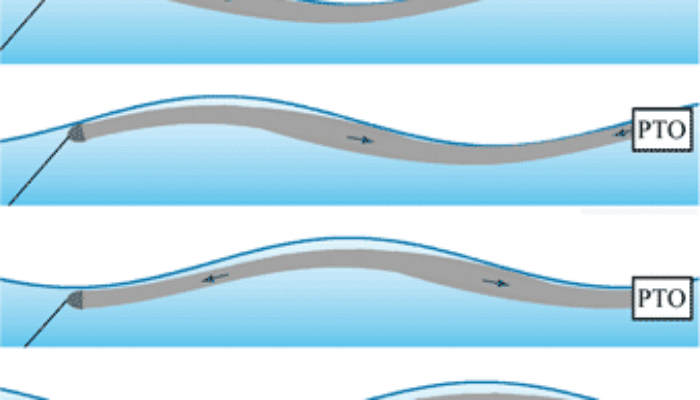
The Anaconda’s design is characterized by a long, tubular, and flexible body that undulates with the motion of the waves, much like a coiling snake. This serpentine form is not only visually striking but also functionally critical, allowing the device to adapt to varying wave heights and frequencies. Unlike rigid, stationary wave energy converters, the Anaconda’s flexible structure maximizes energy capture by responding dynamically to the ocean’s ever-changing conditions.
- Flexible Tubular Body:
The elongated, inflatable tube bends and flexes with wave motion, optimizing energy absorption. - Hydrodynamic Efficiency:
Its shape and movement reduce resistance and enhance the conversion of wave energy into mechanical power. - Environmental Integration:
Designed to coexist with marine ecosystems, minimizing disruption to aquatic life and habitats.
Operational Principles and Energy Conversion Mechanism
The Anaconda operates by exploiting the natural rise and fall of ocean waves, which contain both kinetic and potential energy generated by wind and gravitational forces. The device consists of a series of floats and tendons that respond to wave-induced pressure changes. As waves pass along the length of the Anaconda, the tube’s deformation drives a hydrostatic pumping system that converts mechanical motion into hydraulic energy. This hydraulic energy is then transformed into electricity through onboard generators.
- Wave-Induced Deformation:
Wave pressure causes the tube to expand and contract, creating a pumping action. - Hydrostatic Drive System:
Converts mechanical deformation into hydraulic fluid movement. - Electricity Generation:
Hydraulic energy powers generators to produce electrical output.
Adaptability to Ocean Conditions
One of the Anaconda’s key advantages is its ability to function efficiently across a wide range of wave conditions. Unlike traditional point-absorber WECs that require specific wave heights or frequencies, the Anaconda’s flexible design allows it to maintain consistent energy production despite the ocean’s variability. This adaptability contributes to a more reliable and steady supply of renewable energy, which is crucial for integrating marine power into existing electrical grids.
Environmental Impact and Marine Compatibility
The Anaconda is engineered with ecological considerations at its core. Its operation is designed to minimize interference with marine life, avoiding the habitat destruction and migratory disruptions often associated with other offshore energy installations such as wind turbines or drilling platforms. By aligning its deployment with the reproductive cycles and habitats of aquatic species, the Anaconda promotes a sustainable coexistence between energy generation and marine biodiversity.
Challenges and Implementation Considerations
Despite its promising potential, the Anaconda faces several obstacles before widespread adoption can be realized. The initial costs for research, development, and deployment are substantial, often exceeding those of conventional fossil fuel infrastructure. Additionally, scaling the technology to a level that significantly impacts the power grid involves overcoming technical challenges such as maintenance in harsh marine environments and the construction of supportive infrastructure.
Regulatory and policy frameworks also present hurdles. The installation of large floating structures requires comprehensive environmental impact assessments and negotiations with stakeholders including local fishing communities and environmental organizations. Balancing energy development with ecological preservation remains a critical aspect of the Anaconda’s future deployment.
Significance and Future Prospects
The Anaconda Wave Energy Converter symbolizes a transformative approach to renewable energy, highlighting the ocean as a vital and sustainable power source. By converting the relentless motion of waves into clean electricity, it offers a pathway toward reducing reliance on fossil fuels and mitigating climate change impacts. As research advances and operational efficiencies improve, the Anaconda could play a pivotal role in creating resilient, sustainable energy systems for coastal cities and communities worldwide.
Real-World Applications and Potential Impact
Envisioning a future where entire urban centers are powered by wave energy is no longer far-fetched. The Anaconda’s ability to provide a steady, renewable energy supply could complement other green technologies, contributing to diversified and stable energy portfolios. Its deployment in coastal regions with abundant wave activity could reduce carbon footprints, enhance energy security, and stimulate economic growth through new marine technology industries.
Common Misconceptions About Wave Energy and the Anaconda
Wave energy devices are harmful to marine ecosystems.
The Anaconda is specifically designed to minimize ecological disruption, operating in harmony with marine life and avoiding critical habitats.
Wave energy is too inconsistent to be reliable.
The Anaconda’s flexible design allows it to adapt to varying wave conditions, ensuring a more consistent energy output than many traditional wave energy converters.
Wave energy technology is prohibitively expensive.
While initial costs are high, ongoing advancements and economies of scale are expected to reduce expenses, making wave energy increasingly competitive.
Why the Anaconda Matters in the Renewable Energy Landscape
As global energy demands rise and the urgency to combat climate change intensifies, the Anaconda represents a crucial step toward harnessing the ocean’s vast renewable energy potential. Its innovative design and ecological mindfulness exemplify how technology can evolve to meet environmental challenges. By integrating wave energy into the broader renewable energy mix, the Anaconda contributes to a diversified, sustainable energy future that supports both human needs and the health of marine ecosystems.
FAQ
What is the Anaconda wave energy converter?
The Anaconda is a wave-powered energy converter employing a flexible, serpentine design to harness energy from ocean waves and convert it into electricity.
How does the Anaconda improve energy capture compared to traditional systems?
Its flexible design allows it to adapt to varying wave conditions, producing a steadier and more reliable energy output than fixed, point-absorber devices.
Is the Anaconda environmentally sustainable?
Yes, it is designed to operate without significant disturbance to marine ecosystems, avoiding interference with marine life and habitats.
What are the main barriers to widespread deployment of the Anaconda?
High initial development costs, complexity in scaling, maintenance challenges, and the need to navigate regulatory and environmental assessments.
What role can the Anaconda play in future energy systems?
It could contribute to a resilient, renewable energy mix by tapping into the vast, untapped potential of ocean wave energy.





Leave a Reply