

Short Answer
Definition of CT Scan Radiation Exposure
Computed tomography (CT) scans have transformed medical diagnostics by offering detailed images of the body’s internal structures. However, these scans involve exposure to ionizing radiation, which raises concerns about potential health effects, especially with repeated use. Understanding the nature and implications of this radiation exposure is crucial for both patients and healthcare providers.
Radiation Dose in CT Scans
Radiation exposure from CT scans is quantified in millisieverts (mSv), a unit measuring the effect of ionizing radiation on human tissue. For perspective:
- CT Abdomen Scan:
Typically delivers up to 10 mSv per procedure. - Standard Chest X-ray:
Approximately 0.1 mSv, significantly lower than CT scans.
The cumulative radiation dose increases with the number of scans, making it important to track a patient’s imaging history to assess total exposure.
The Linear No-Threshold Model and Radiation Risk
The most widely accepted framework for assessing radiation risk is the Linear No-Threshold (LNT) model. This model suggests that any amount of ionizing radiation, no matter how small, incrementally raises the likelihood of developing cancer. Therefore, even low-dose exposures from diagnostic imaging contribute to long-term risk, necessitating careful evaluation of the benefits versus potential harm.
Populations Vulnerable to Radiation Effects
Certain groups are more sensitive to the adverse effects of radiation:
- Children:
Their developing tissues and longer expected lifespan increase susceptibility to radiation-induced cancers. - Patients Requiring Frequent Imaging:
Individuals with chronic conditions may accumulate higher radiation doses, elevating their risk profile.
For these populations, it is essential to critically assess the necessity and frequency of CT scans and consider alternative diagnostic methods when feasible.
Alternative Imaging Modalities
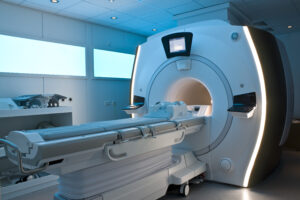
To reduce radiation exposure, healthcare providers often explore non-ionizing imaging options such as ultrasound and magnetic resonance imaging (MRI). These techniques offer several benefits:
- No Ionizing Radiation:
Both ultrasound and MRI avoid the risks associated with X-rays. - Diagnostic Limitations:
However, they may have longer scan times, reduced resolution in certain cases, or limited availability depending on location and cost.
Clinicians must weigh these factors and discuss with patients to select the most appropriate imaging strategy.
Empowering Patients Through Informed Consent
Patient involvement is vital in decisions regarding imaging studies. Before undergoing a CT scan, individuals should be fully informed about the reasons for the test, potential radiation risks, and possible alternatives. Encouraging patients to ask questions such as “Is this scan absolutely necessary?” or “Are there safer options?” fosters a collaborative approach to healthcare and ensures that imaging is justified and optimized.
Technological Advances in Radiation Dose Reduction
Recent innovations aim to minimize radiation exposure while maintaining image quality. Examples include:
- Iterative Reconstruction Algorithms:
These computational techniques enhance image clarity from lower radiation doses. - Advanced Detector Technologies:
Improved sensors increase efficiency, allowing for reduced radiation use.
As these technologies become more widespread, the risks associated with the “silent dose” of radiation are expected to decline.
Regulatory Guidelines and Safety Practices
Health authorities worldwide emphasize radiation safety through principles such as ALARA (As Low As Reasonably Achievable). This approach mandates minimizing radiation exposure without compromising diagnostic effectiveness. Medical facilities implement standardized protocols to ensure patient doses are kept within safe limits, balancing clinical needs with safety considerations.
Educational Initiatives and Awareness
Ongoing education for healthcare professionals is critical to maintaining awareness of radiation risks and best practices. Training programs and continuing medical education focus on the implications of radiation exposure, promoting a culture of safety and informed decision-making in diagnostic imaging.
Significance of Managing CT Scan Radiation Exposure
Understanding and managing radiation exposure from CT scans is essential to safeguarding patient health. By balancing diagnostic benefits with potential risks, fostering informed patient participation, and embracing technological advancements, the medical community can ensure that imaging remains a powerful yet safe tool in modern medicine.
FAQ
What is the radiation dose from a typical CT scan?
A typical CT scan, such as an abdominal CT, can deliver up to 10 millisieverts (mSv) of radiation, which is significantly higher than a standard chest X-ray that delivers about 0.1 mSv.
Are CT scans safe for children?
Children are more sensitive to radiation and have a longer lifetime risk of developing radiation-induced effects, so CT scans should be used cautiously and only when medically necessary.
What are alternatives to CT scans that avoid radiation exposure?
Alternatives like ultrasound and magnetic resonance imaging (MRI) do not use ionizing radiation and may be preferred in cases where appropriate and available.
How can radiation dose be minimized during CT scans?
New imaging technologies such as iterative reconstruction algorithms and advanced detectors help reduce radiation doses while maintaining image quality.
What is the Linear No-Threshold model in radiation risk?
The Linear No-Threshold (LNT) model posits that any amount of ionizing radiation, no matter how small, increases cancer risk linearly with dose.



Leave a Reply