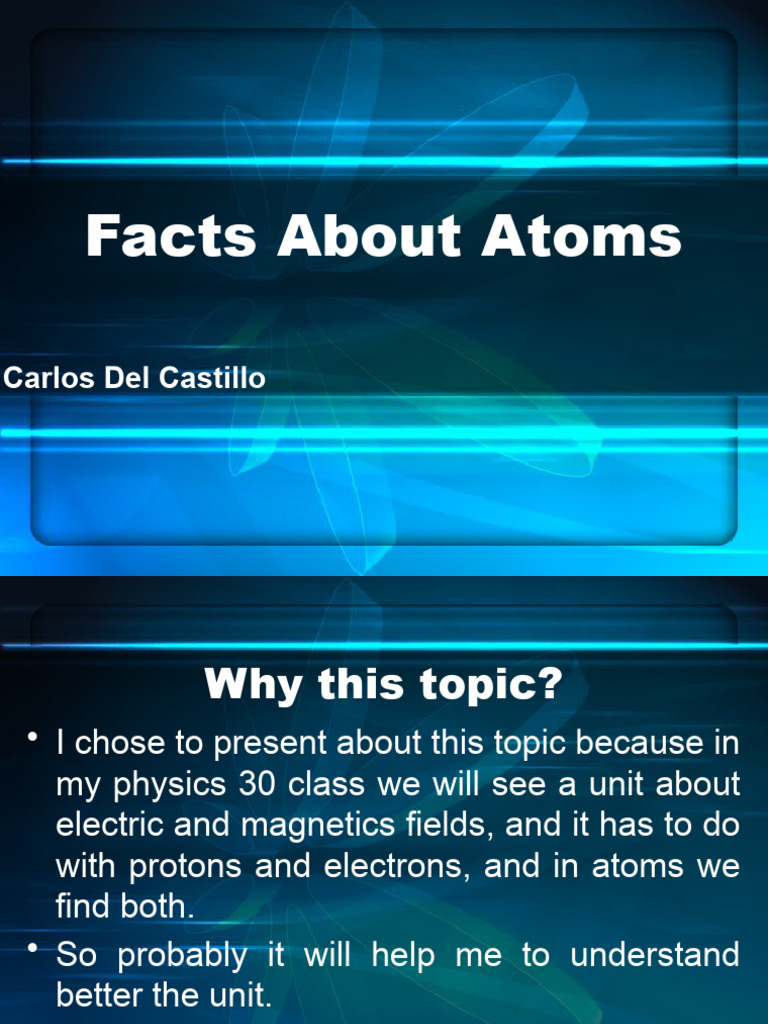
What are some uncommonly known facts about atoms?

Definition of Atoms Atoms are the fundamental units that compose all matter in the universe. These minuscule particles serve as the essential building blocks from which everything tangible is formed. Despite their tiny size, atoms harbor complex and often surprising characteristics that extend beyond their basic role in physical existence. Structure and Composition of Atoms […]

Read More →

How is science relevant to modern environmental ethics?

Definition of Environmental Ethics and Its Scientific Foundations Environmental ethics is a branch of philosophy that examines the moral relationship between humans and the natural environment. It seeks to define our responsibilities toward ecosystems, species, and the planet as a whole. Central to this discipline is the integration of scientific knowledge, which provides a factual […]

Read More →

What Is Condensed Matter? Welcome to The Science Space

Definition of Condensed Matter Physics Condensed matter physics is a vital branch of modern physics dedicated to studying the properties and behaviors of matter in its solid and liquid forms. This field investigates how atoms and molecules interact within materials, revealing the fundamental principles that dictate their physical characteristics. The everyday contrasts we observe-such as […]

Read More →

What is the area of science that studies atoms?

Definition of Atomic Physics Atomic physics is a specialized branch of physics focused on the study of atoms, their internal components, and the interactions that define the properties of matter. It investigates the fundamental particles that make up atoms-electrons, protons, and neutrons-and explores how these particles behave and interact to form the observable universe. This […]

Read More →