
Short Answer
Definition of Nuclear Physics
Nuclear physics is a branch of science focused on understanding the properties, interactions, and behavior of atomic nuclei and their constituent particles. It explores the fundamental forces and components that govern matter at the subatomic scale, providing critical insights into the structure and dynamics of the nucleus. This field serves as a cornerstone for numerous scientific disciplines and practical applications, bridging theoretical concepts with real-world technologies.
Interdisciplinary Connections of Nuclear Physics
Relationship with Chemistry
Nuclear physics significantly influences various branches of chemistry, particularly nuclear and analytical chemistry. The study of nuclear reactions, isotopes, and radioactive decay processes forms the basis for many chemical applications. For example, understanding isotopic behavior is essential in radiochemical analysis and nuclear imaging techniques. These principles are also pivotal in medical treatments such as radiotherapy, where radioactive substances are used to target cancer cells. The synergy between nuclear physics and chemistry exemplifies how knowledge from one field can enhance methodologies and innovations in another.
Integration with Engineering
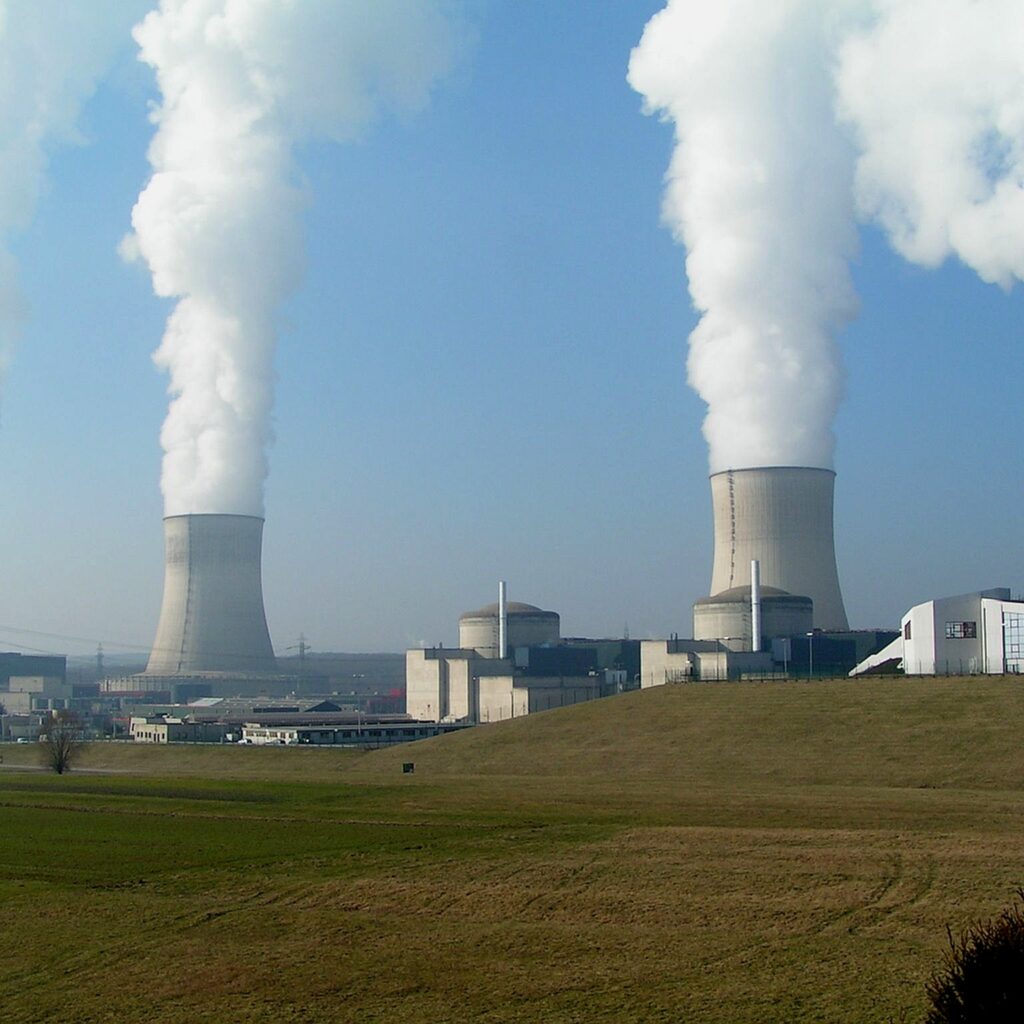
Engineering disciplines, especially nuclear engineering, rely heavily on nuclear physics principles. The design, construction, and operation of nuclear reactors demand a thorough grasp of nuclear fission reactions and their thermal management. Engineers convert nuclear energy into electrical power by harnessing these reactions, optimizing efficiency and safety. Innovations such as fast breeder reactors and molten salt reactors demonstrate how nuclear physics underpins advancements in sustainable energy technologies, highlighting the practical applications of theoretical physics in engineering solutions.
Contributions to Environmental Science
Nuclear physics plays a vital role in environmental monitoring and protection. Techniques involving radioactive isotopes enable scientists to trace pollution sources, assess contamination levels, and understand the movement of hazardous materials in ecosystems. Additionally, isotopic analysis aids in reconstructing past climate conditions, providing valuable data for climate change research. This intersection fosters collaboration between nuclear physicists and environmental scientists to address ecological challenges and develop effective remediation strategies.
Impact on Medical Technology
The field of medicine has been transformed by nuclear physics through the development of diagnostic and therapeutic technologies. Imaging methods such as positron emission tomography (PET) and single-photon emission computed tomography (SPECT) utilize radioactive tracers to visualize internal bodily processes with high precision. These tools enable early disease detection and targeted treatment, particularly in oncology. Radiotherapy techniques, continuously refined through nuclear physics research, improve cancer treatment outcomes by delivering controlled doses of radiation to malignant tissues. This interdisciplinary partnership enhances healthcare quality and patient survival rates.
Emerging Synergies with Information Technology
Recent advancements in quantum computing and data science are opening new avenues for nuclear physics research. Quantum computers have the potential to simulate complex nuclear interactions with unprecedented accuracy, surpassing the capabilities of classical computational methods. Collaborative efforts among physicists, computer scientists, and data analysts aim to develop sophisticated algorithms that can model nuclear phenomena at fundamental levels. This fusion of nuclear physics and information technology promises to accelerate discoveries and deepen our understanding of subatomic processes.
Ethical and Societal Considerations
While nuclear physics offers promising solutions, it also raises important ethical questions. The deployment of nuclear power as a clean energy source must be balanced against concerns about safety, radioactive waste management, and environmental impact. Addressing these issues requires interdisciplinary cooperation involving political scientists, policymakers, and nuclear experts to foster transparent communication and informed public engagement. Ethical stewardship is essential to ensure that nuclear technologies are developed and applied responsibly, gaining societal trust and acceptance.
Global Collaboration and Future Prospects
The advancement of nuclear physics increasingly depends on international partnerships. Tackling complex challenges such as achieving sustainable nuclear fusion energy necessitates coordinated efforts across countries and scientific disciplines. Collaborative projects unite physicists, environmentalists, medical researchers, and engineers to share knowledge, pool resources, and innovate collectively. This global approach not only accelerates progress but also promotes unity in addressing pressing scientific and technological goals.
Why Nuclear Physics Is Important
Nuclear physics is a foundational science with far-reaching implications across multiple sectors. Its interdisciplinary nature enriches research depth and broadens practical applications, from energy production and environmental protection to medical diagnostics and treatment. By fostering collaboration among diverse fields, nuclear physics drives innovation that addresses critical global issues. Its ethical and international dimensions further underscore its significance as a catalyst for sustainable development and scientific advancement, shaping our understanding of the universe and improving human well-being.
FAQ
What makes nuclear physics an interdisciplinary field?
Nuclear physics combines fundamental scientific research with practical applications across multiple domains such as chemistry, engineering, medicine, environmental science, and computing.
How is nuclear physics applied in medicine?
It is applied through advanced diagnostic imaging techniques like PET and SPECT and in radiotherapy for cancer treatment.
Why is nuclear physics important for environmental science?
It helps monitor environmental contamination, trace pollutant sources, and analyze climate change through isotopic studies.
What are the ethical challenges in nuclear physics?
Challenges include ensuring safety, managing nuclear waste, minimizing environmental impact, and navigating public policy and societal acceptance.
How does nuclear physics interact with information technology?
It intersects via quantum computing and data analysis techniques that enhance simulation and understanding of nuclear processes.






Leave a Reply