Mohammad Yameen: Exploring Physics from the Quantum Edge

Understanding Quantum Mechanics Quantum mechanics is a fundamental branch of physics that explores the behavior of matter and energy at the smallest scales-typically at the level of atoms and subatomic particles. Unlike classical physics, which treats particles as distinct, localized objects, quantum theory reveals a world where particles exhibit wave-like properties and exist in multiple […]

Read More →

Why is condensed matter physics interesting?

Definition of Condensed Matter Physics Condensed matter physics is a dynamic and multifaceted branch of physics that investigates the properties and behaviors of matter in its solid and liquid states. It focuses on how atoms and molecules aggregate to form complex structures, revealing a wide spectrum of physical phenomena. This field integrates principles from quantum […]

Read More →

What are the different branches of physics?

Definition of Physics and Its Branches Physics stands as a foundational natural science dedicated to uncovering the essential laws that govern the universe. It encompasses a wide array of specialized fields, each concentrating on particular facets of matter, energy, and their interactions. Studying these diverse branches not only deepens our understanding of the physical environment […]

Read More →

How much physics is required for a radiology course?

Definition of Radiologic Physics Radiologic physics is the scientific discipline that explores the interaction between radiation and matter, particularly as it applies to medical imaging. It combines principles from physics and technology to transform invisible energy forms into visible diagnostic images. This field is fundamental for understanding how various imaging modalities function and how they […]

Read More →

Life the Universe and Everything: Physics Meets Philosophy

Definition The intersection of physics and philosophy represents a dynamic field of inquiry that explores fundamental questions about existence, the universe, and the nature of reality. This interdisciplinary approach combines scientific investigation with philosophical reflection to deepen our understanding of life and the cosmos. Physics: The branch of science concerned with the properties and interactions […]

Read More →

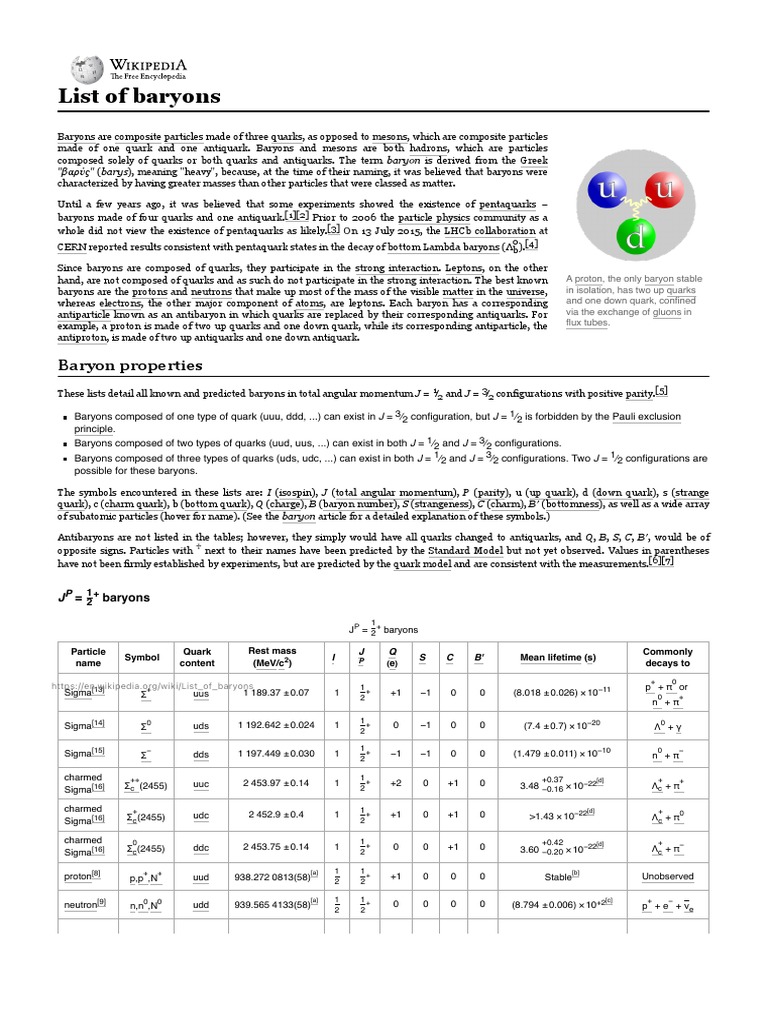
Where Are the Baryons? Found at Last!

Definition of Baryons Baryons are a class of subatomic particles that serve as the fundamental building blocks of matter. Composed of three quarks bound together by the strong nuclear force, which is mediated by gluons, baryons include well-known particles such as protons and neutrons. These particles are essential components of atomic nuclei, making them critical […]

Read More →

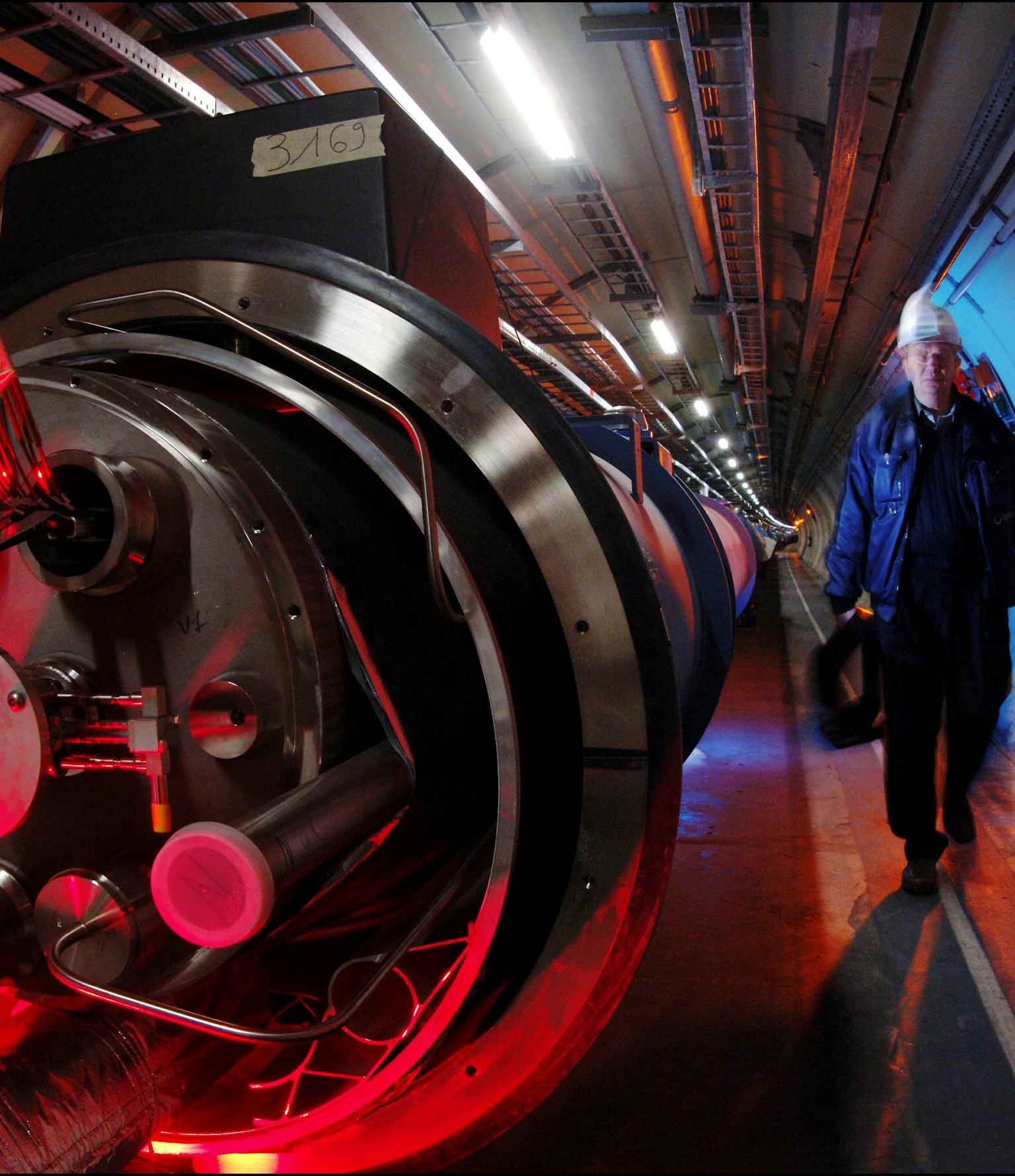
What are the physics behind the Hadron Collider?

Overview of the Large Hadron Collider Located at CERN near Geneva, Switzerland, the Large Hadron Collider (LHC) stands as a monumental achievement in contemporary physics. This vast scientific instrument, encircling a tunnel approximately 27 kilometers (16.8 miles) in length, functions as a particle accelerator designed to propel protons and heavy ions to velocities nearing the […]

Read More →

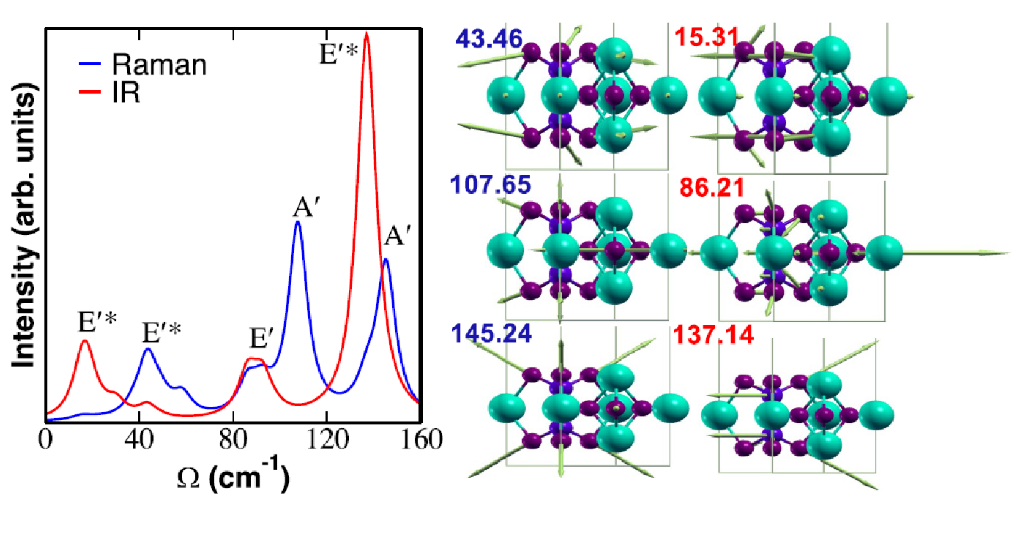
What observations fall under condensed matter physics?

Definition of Condensed Matter Physics Condensed matter physics is a comprehensive branch of physics dedicated to studying the complex behaviors and properties of solids and liquids. This field investigates phenomena that arise from interactions at scales ranging from individual atoms to large, macroscopic systems. It encompasses a wide array of material states and transitions, providing […]

Read More →

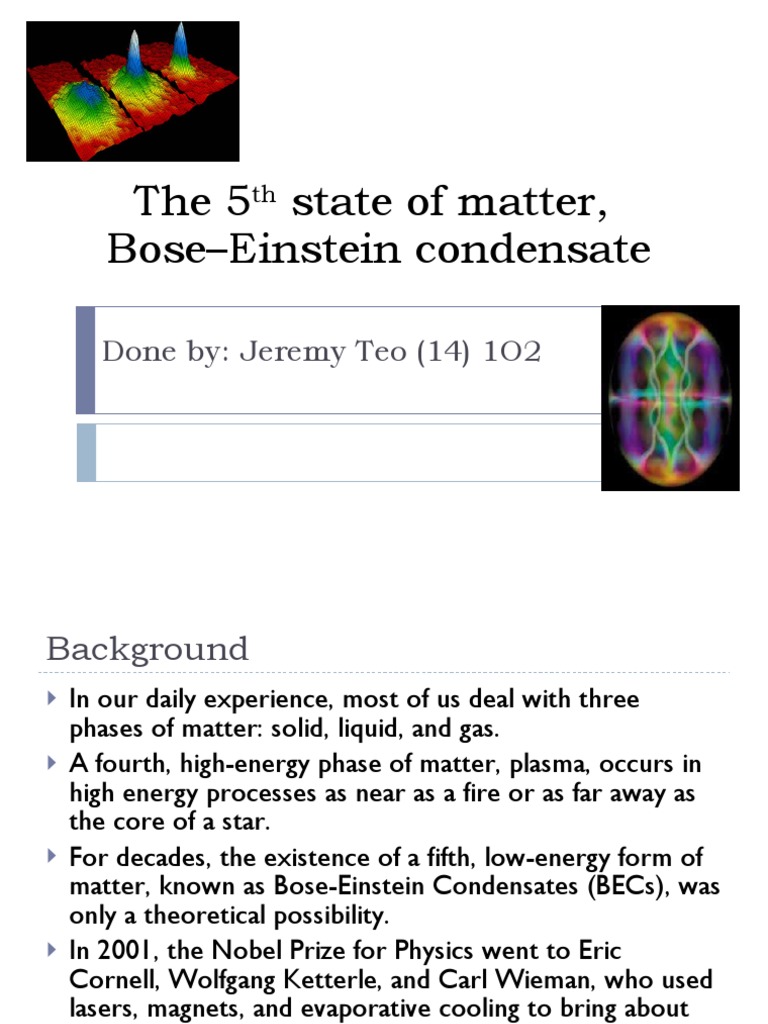
Why does the 5th state of matter matter?

Definition of the Fifth State of Matter Beyond the classical states of matter-solid, liquid, gas, and plasma-scientists have identified a fifth state known as the Bose-Einstein condensate (BEC). This state emerges under extreme conditions where particles behave collectively in ways that defy traditional physical laws. BEC represents a unique phase of matter formed when a […]

Read More →

What is true nucleus in terms of Physics?

Definition of the True Nucleus The true nucleus in physics refers to the central part of an atom, comprising protons and neutrons, collectively called nucleons. This dense core contains nearly all the atom’s mass and serves as the foundation for understanding atomic structure. The nucleus is essential in defining the identity and properties of elements, […]

Read More →