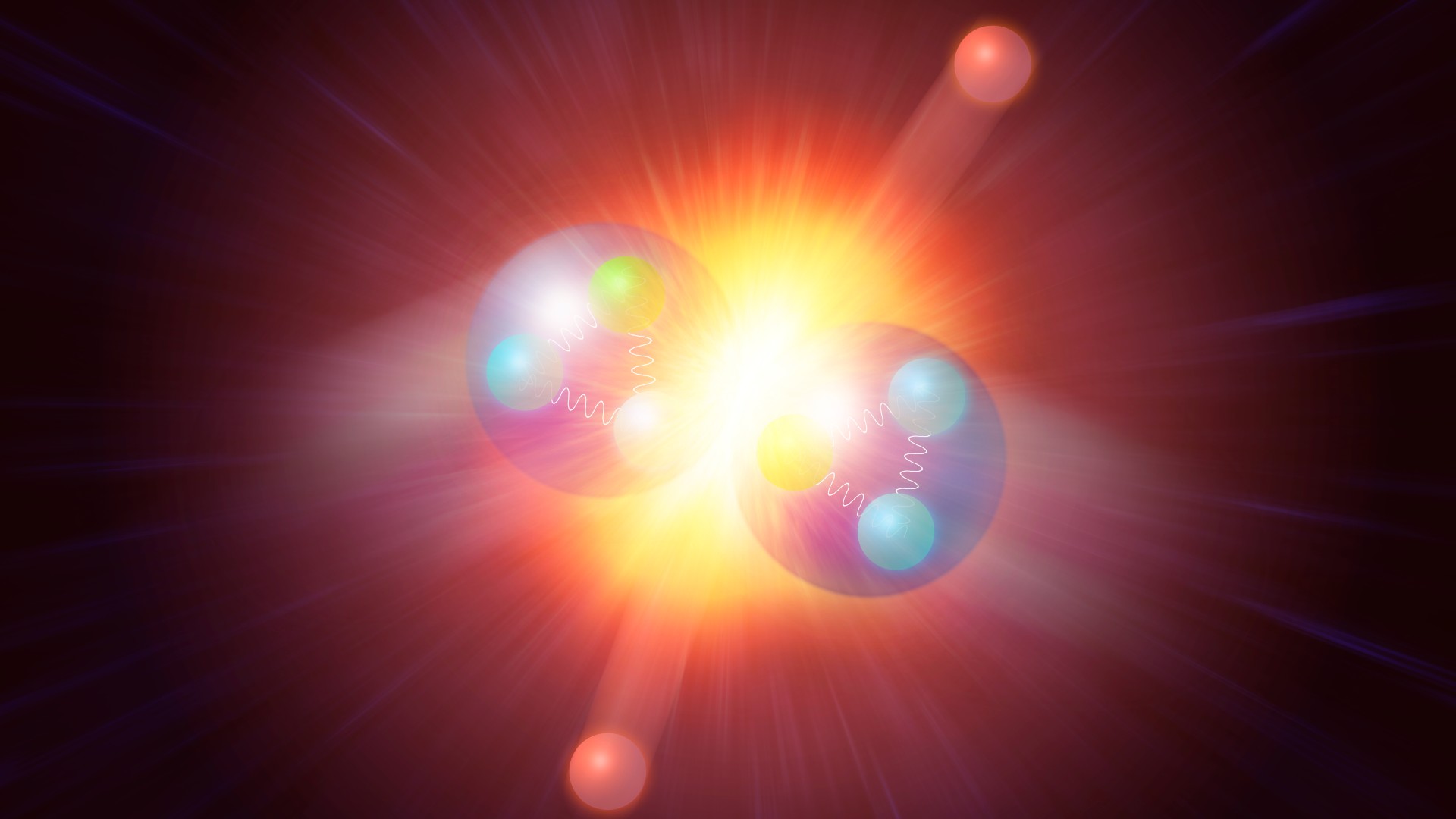
What are quarks

Imagine for a moment a universe devoid of the fundamental building blocks of matter. What would an existence without protons, neutrons, and electrons look like? In pondering this playful question, we stumble upon the enigmatic world of quarksβ€”a cornerstone of particle physics that embodies the essence of matter itself. At the heart of the matter, […]

Read More β†’

Do neutrinos and protons used in particle physics not exist?

In the realm of particle physics, the investigation into the fundamental constituents of matter propels scientific inquiry into a mysterious dialogue between existence and theoretical constructs. Among these enigmatic particles are neutrinos and protons, both of which occupy pivotal roles within the current paradigm of particle physics. However, an intriguing question arises: do these subatomic […]

Read More β†’

How strong is the God particle and what can it do?

The Higgs boson, colloquially referred to as the “God particle,” possesses a paramount role in particle physics, particularly within the framework of the Standard Model. This enigmatic particle is integral to comprehending the fundamental mechanics governing the universe. To elucidate its strength and capabilities, it is imperative to explore the various dimensions of the Higgs […]

Read More β†’

What is the scope of nuclear physics research?

Nuclear physics is a profound field of study that delves into the constituents and interactions of atomic nuclei. As an interdisciplinary domain, its scope extends across various applications, ranging from energy production to medical diagnostics and treatment. The evolving nature of this discipline invites an extensive exploration of its research avenues. Below is an academic […]

Read More β†’

How many elementary particles are there?

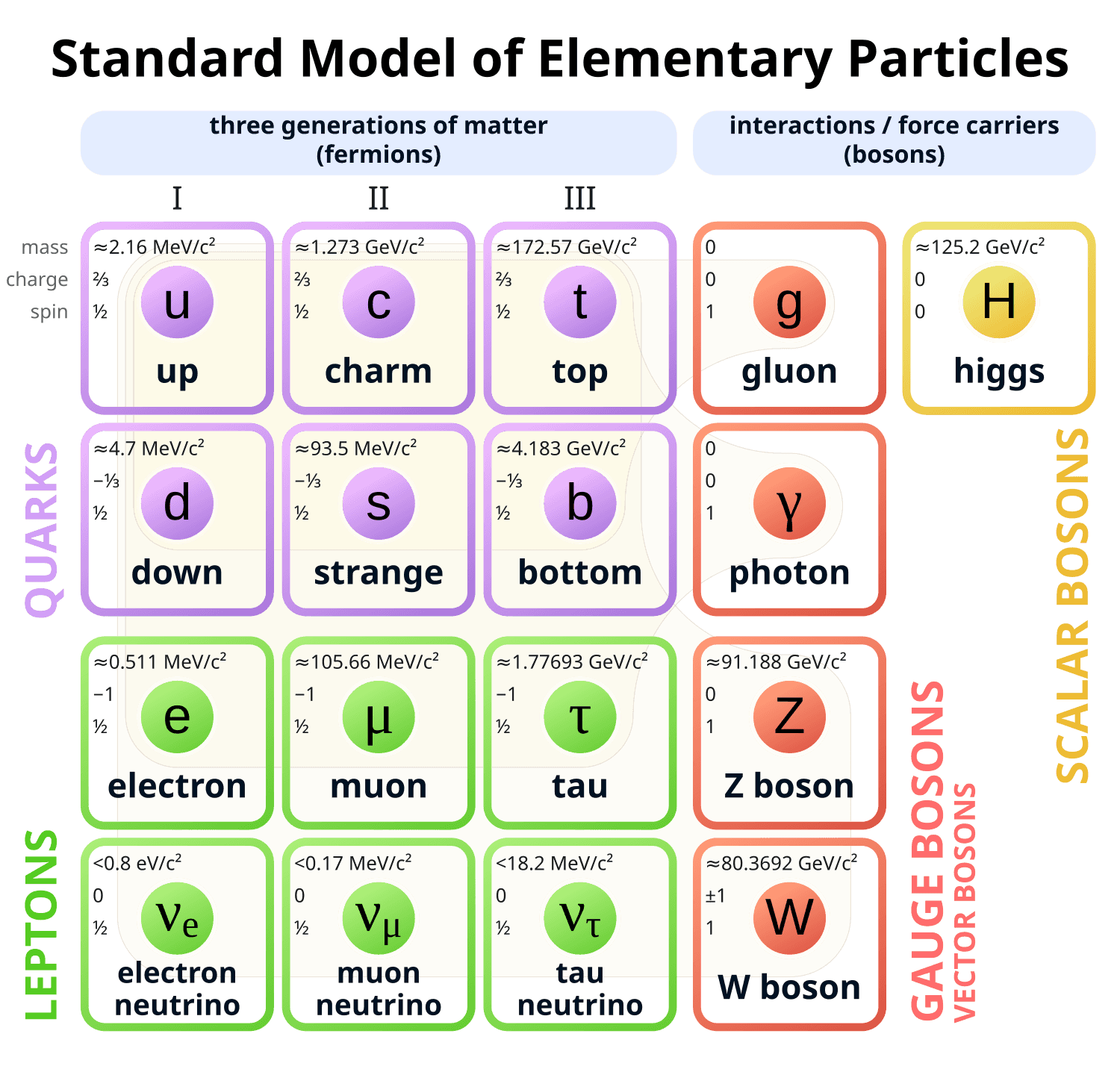
The realm of fundamental physics often captivates both the curious novice and the seasoned theorist. Amidst the enigmatic particles that constitute our universe, the question, β€œHow many elementary particles are there?” emerges as not merely a query about quantity but as an invitation to explore the foundational elements that craft the cosmos itself. The Standard […]

Read More β†’

Can particle physics be proven without using mathematics?

Particle physics represents a frontier of scientific inquiry that seeks to unravel the fundamental constituents of matter and the forces governing their interactions. Engaging with concepts such as quarks, leptons, and the Higgs boson fascinates both scientists and enthusiasts alike. Yet, an intriguing and somewhat perplexing question persists: can the principles and phenomena of particle […]

Read More β†’

AMS Detects a Cosmic Ray Riddle: Mystery in the Particles

The study of cosmic rays has long occupied a significant niche within the astrophysical sciences, catalyzing both scientific inquiry and public fascination. At the heart of this field lies the Advanced Alpha Magnetic Spectrometer (AMS-02), an epoch-defining experiment that has profoundly altered our understanding of high-energy particles originating from outer space. Initially launched aboard the […]

Read More β†’

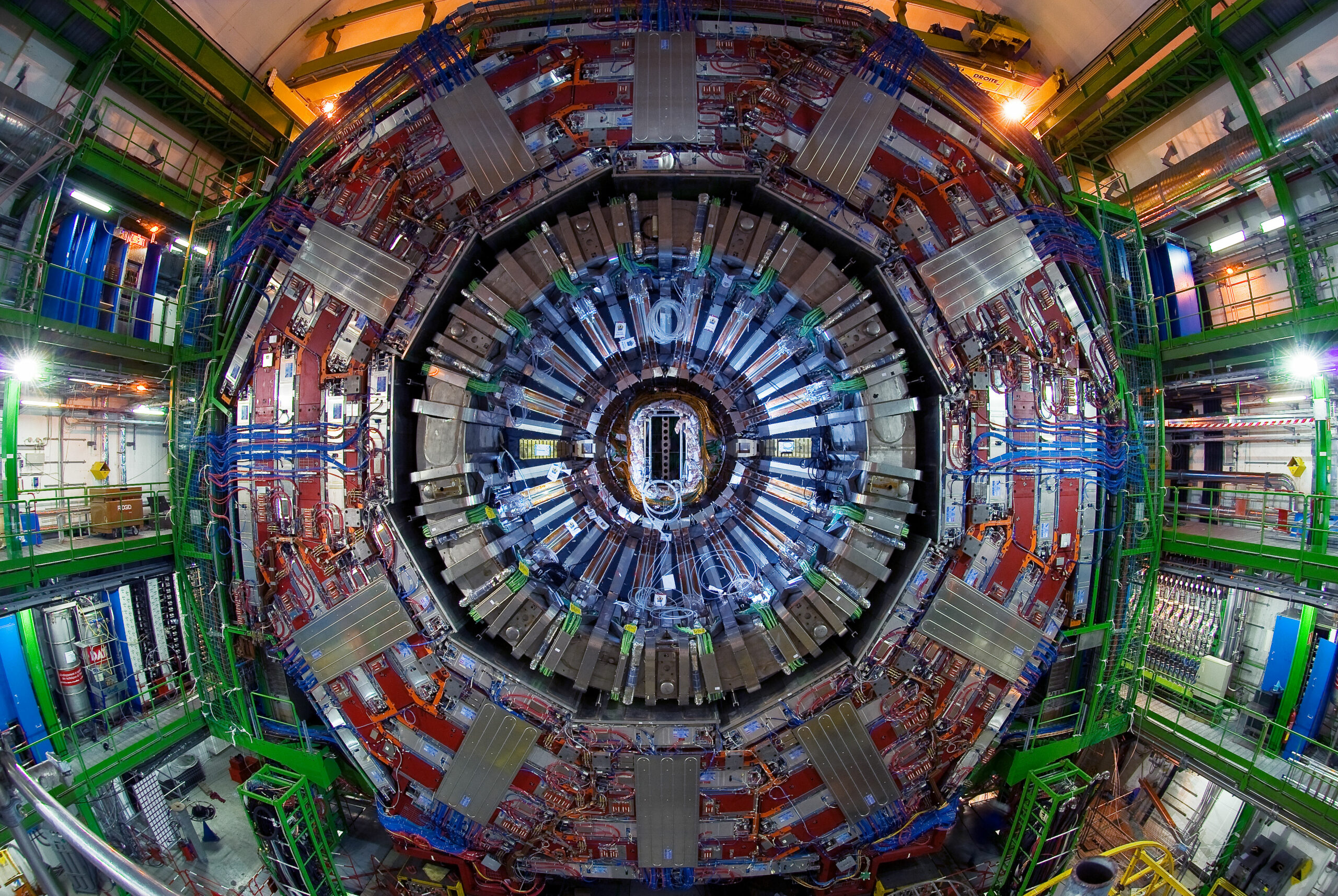
What is a particle collider and how does it work?

Particle colliders, sophisticated instruments at the frontier of high-energy physics, serve as windows into the fundamental constituents of the universe. They enable scientists to probe subatomic particles at unprecedented energy scales, thereby illuminating the fundamental forces and interactions that govern matter. The mechanisms of particle colliders are complex, integrating advanced technology, innovative engineering, and theoretical […]

Read More β†’