Is CERN really that powerful?

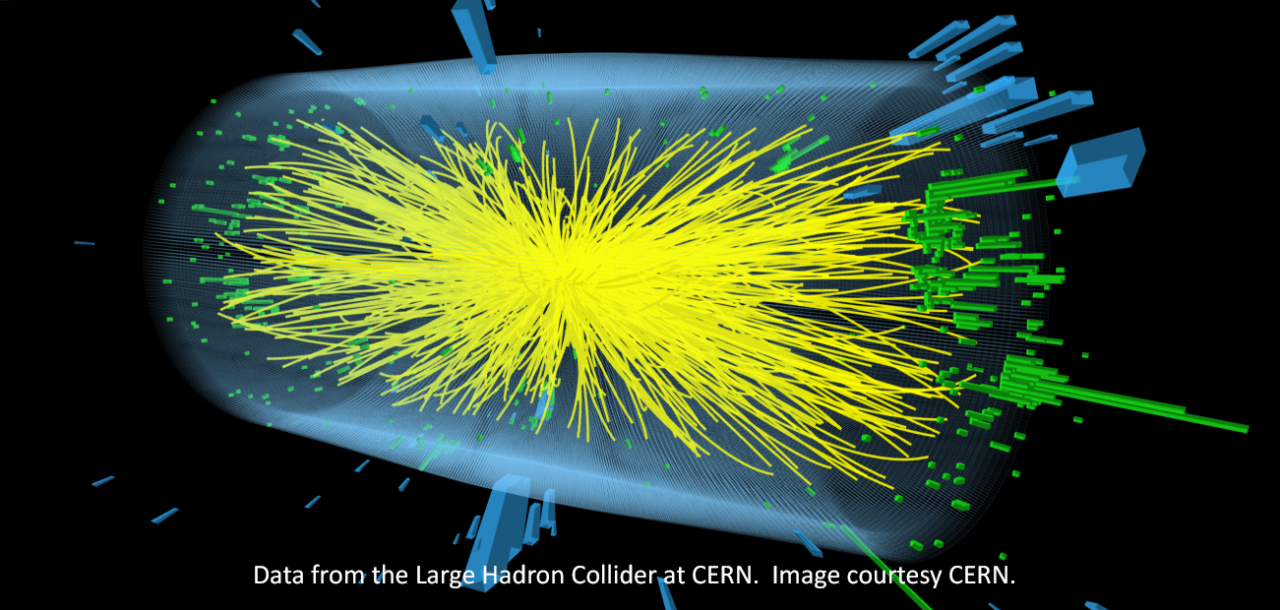
The European Organization for Nuclear Research, or CERN, is frequently at the nexus of public fascination and scientific inquiry. Its vast infrastructure sprawls beneath the Swiss-French border and comprises the world’s largest particle physics laboratory, notably housing the Large Hadron Collider (LHC). This institution harmonizes numerous disciplines—physics, engineering, computing, and even philosophy—to answer some of […]

Read More →

Axions Debunked? PVLAS Experiment Rules Them Out (Again)

In contemporary particle physics, axions have emerged as hypothetical elementary particles intended to reconcile discrepancies within the Standard Model and address some of the most profound enigmas in cosmology. The PVLAS experiment, dedicated to detecting axions via their hypothesized interactions with photons in a magnetic field, has been instrumental in these investigations. However, recent findings […]

Read More →

What is the standard model all about?

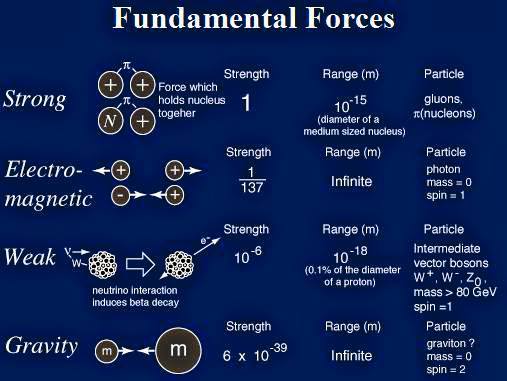
The Standard Model of particle physics stands as a towering edifice in our understanding of the subatomic realm, akin to a grand symphony where each particle plays a specific note, contributing to the overall harmony of the universe. This theoretical framework encapsulates the fundamental particles and the forces that govern their interactions, allowing physicists to […]

Read More →

Boost for Canadian Particle Physics: North America Powers Up

Particle physics, a domain dedicated to the exploration of fundamental constituents of matter, continues to garner significant attention and investment across the globe. Recent advancements in the Canadian sector have unveiled a dynamic landscape punctuated by novel research initiatives and collaborative efforts. The phrase “Boost for Canadian Particle Physics” encapsulates both the momentum currently propelling […]

Read More →

What are color charges in particle physics?

Color charges are fundamental properties in particle physics, particularly in the realm of quantum chromodynamics (QCD), which is the theory that describes the strong interactions between quarks and gluons— the building blocks of protons, neutrons, and other hadrons. This article explores various facets of color charges, elucidating their origins, characteristics, interactions, and their overarching implications […]

Read More →

Why can’t quarks exist individually?

Quarks, the fundamental constituents of matter, play a crucial role in the standard model of particle physics. As fundamental particles, quarks cannot exist in isolation; they are perpetually confined within larger composite particles known as hadrons. This article elucidates the reasons behind this confinement and explores the implications of quark behavior in the context of […]

Read More →

What common name given to electron

When discussing the realm of subatomic particles, the electron holds a preeminent position due to its fundamental role in various physical and chemical processes. Commonly denoted by the symbol “e–“, the electron is an elementary charge carrier that exhibits both particle-like and wave-like properties, a concept deeply embedded in the framework of quantum mechanics. This […]

Read More →