Can Engineering Outpace Condensed Matter Physics?

Understanding the Relationship Between Engineering and Condensed Matter Physics The interplay between engineering and condensed matter physics represents a fascinating convergence of practical innovation and fundamental science. Engineering is primarily focused on solving real-world problems through inventive design and application, while condensed matter physics investigates the underlying principles that dictate the behavior of matter on […]

Read More →

Jason Kang: Where Engineering and Oncology Converge

Definition The intersection of engineering and oncology represents a multidisciplinary approach that combines the principles of engineering with cancer research and treatment. This fusion aims to innovate and improve therapeutic strategies by applying technological advancements to understand tumor behavior and enhance treatment precision. Engineering: A field focused on applying scientific knowledge to design, develop, and […]

Read More →

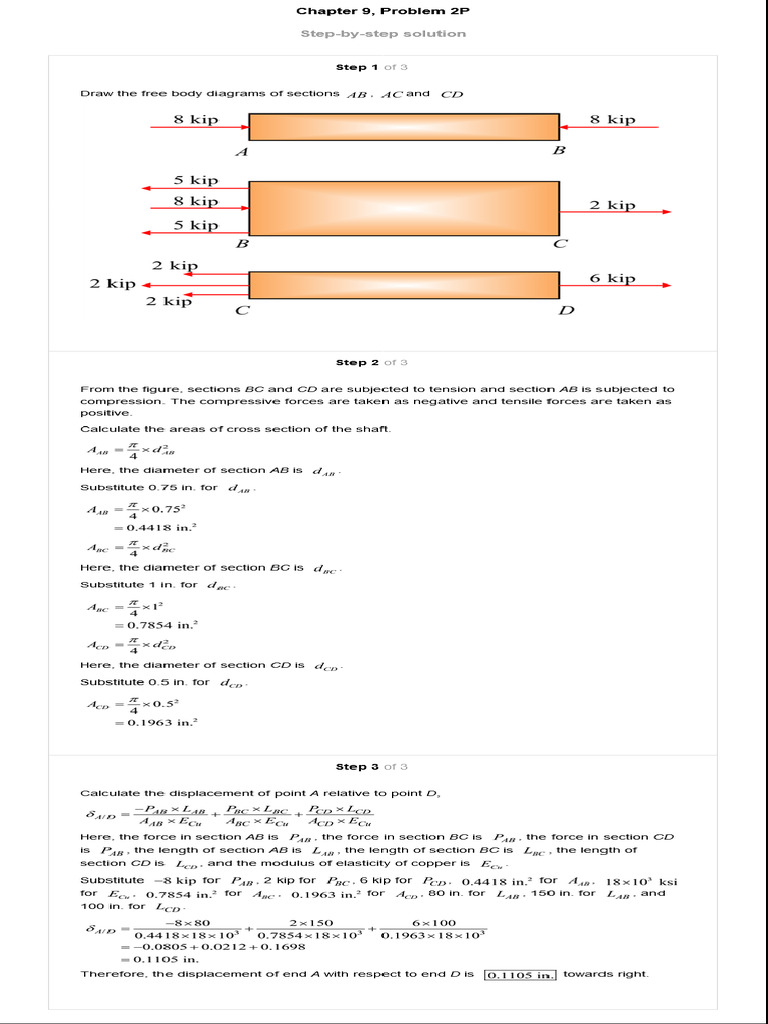
How much harder is mechanics of materials than statics?

Understanding the Distinction Between Statics and Mechanics of Materials In the realm of engineering mechanics, a common inquiry arises: how does the difficulty of Mechanics of Materials compare to that of Statics? This question captivates both students and professionals, as it touches on the fundamental principles that govern structural design and material behavior. While both […]

Read More →

As an engineer how much math do you actually use?

Understanding the Role of Mathematics in Engineering Engineering professionals often reflect on a compelling question: How extensively is mathematics employed in their everyday work? This inquiry reveals the intricate connection between mathematical theory and its practical application within the engineering field. Far beyond mere number crunching, engineering represents a blend of inventive thinking and logical […]

Read More →

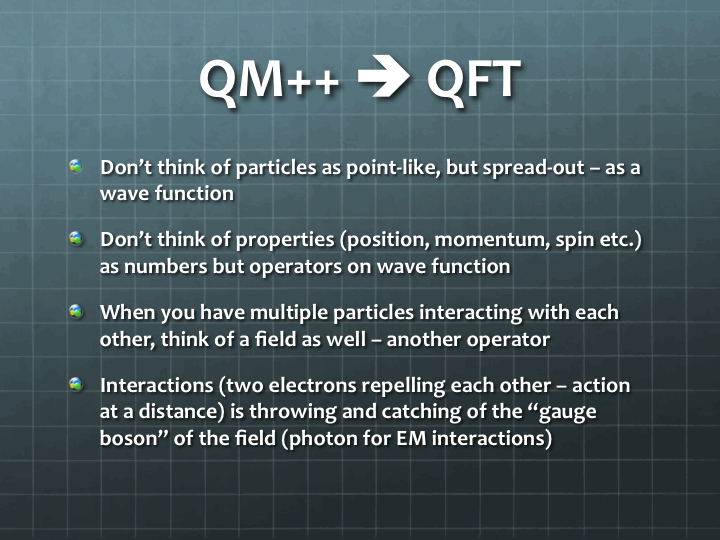
Is quantum field theory useful for engineering?

Understanding Quantum Field Theory Quantum Field Theory (QFT) stands as a cornerstone of contemporary theoretical physics, offering a comprehensive framework to describe the behavior and interactions of subatomic particles. It merges the principles of quantum mechanics with special relativity, enabling a unified mathematical depiction of fundamental forces such as electromagnetic, weak, and strong interactions. While […]

Read More →

Which types of engineering do we find at CERN?

Overview of Engineering Disciplines at CERN CERN, the European Organization for Nuclear Research, stands at the cutting edge of physics, conducting experiments that reshape our comprehension of the universe. The groundbreaking scientific achievements at CERN are made possible through the collaboration of multiple engineering fields. This article explores the various engineering specialties involved at CERN […]

Read More →

How do engineers design mathematical models of problems?

Definition of Mathematical Modeling in Engineering Mathematical modeling in engineering refers to the systematic creation of abstract representations that capture the essential features of complex real-world systems. These models enable engineers to analyze, predict, and optimize the behavior of physical phenomena by translating them into mathematical language. This process transforms intricate and often chaotic problems […]

Read More →