Is Geoengineering the Only Way to Halt Climate Change?

Understanding Geoengineering Geoengineering encompasses intentional, large-scale interventions in Earth’s climate system designed to counteract the adverse effects of climate change. This field is divided primarily into two approaches: solar radiation management (SRM) and carbon dioxide removal (CDR). SRM focuses on reflecting a portion of incoming solar energy back into space to cool the planet, whereas […]


Read More →

Geoengineering: A Comparatively Inexpensive Solution?

Definition of Geoengineering Geoengineering refers to a collection of deliberate interventions designed to modify the Earth’s environmental systems with the goal of counteracting the adverse effects of climate change. This field encompasses a variety of techniques aimed at either reducing the amount of solar energy absorbed by the planet or removing greenhouse gases from the […]

Read More →

Galactic Link to Climate Change is in Doubt

Understanding the Galactic Influence Hypothesis The vast universe has fascinated humanity for centuries, often reflecting our deepest hopes and anxieties. When we look up at the stars, we naturally wonder about the connection between the immense cosmic environment and the fragile ecosystems on Earth. One intriguing idea is that galactic phenomena might influence climate change, […]

Read More →

Did Cosmic Rays Spark an Ice Age?

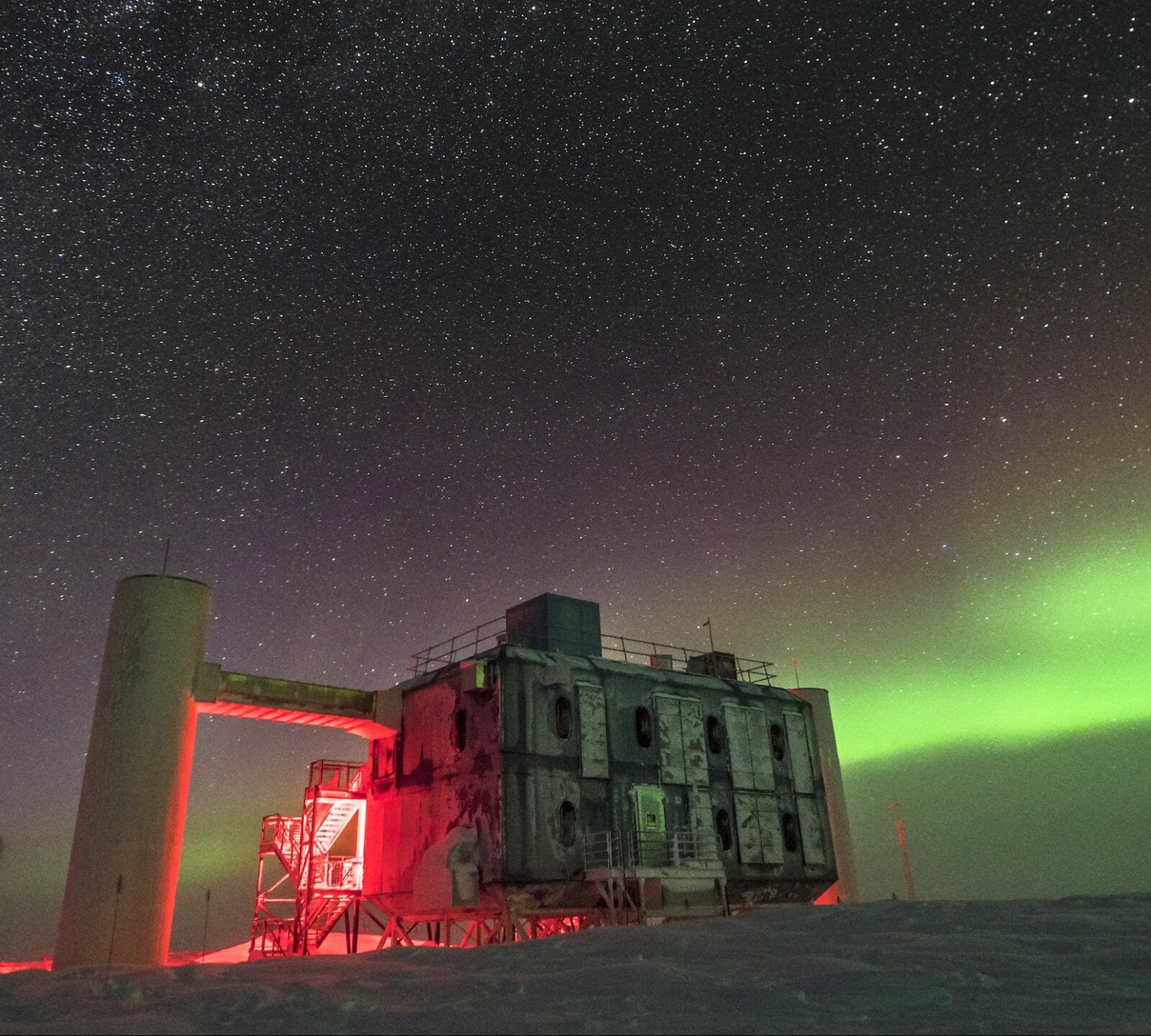
Definition of Cosmic Rays and Their Climatic Influence Cosmic rays are high-energy particles, predominantly protons and atomic nuclei, that originate from distant astrophysical events such as supernovae and other extragalactic phenomena. Traveling at velocities close to the speed of light, these particles penetrate the Earth’s atmosphere, initiating a cascade of secondary particles and ionizing atmospheric […]

Read More →

Global Warming Confirmed From Space

Definition of Global Warming Global warming refers to the long-term increase in Earth’s average surface temperature due to human activities and natural processes. This phenomenon represents a significant shift in the planet’s climate system, characterized by rising temperatures, melting ice, and altered weather patterns. It is a critical environmental issue confirmed through extensive satellite data […]

Read More →

Balancing the Books: Energy Budget Hints at Human Impact

Definition of Energy Balancing Energy balancing refers to the concept of maintaining an equilibrium between the energy entering and leaving a system, whether natural or human-made. It serves as a powerful analogy for understanding humanity’s ecological footprint by highlighting the dynamic interplay between energy consumption, production, and sustainability. Just as a financial ledger tracks income […]

Read More →

Drop in Global Warming Linked to Water Vapour Dip

Definition of Water Vapor and Its Role in Climate Water vapor is the most prevalent greenhouse gas present in Earth’s atmosphere, playing a crucial role in regulating the planet’s temperature. Unlike other greenhouse gases such as carbon dioxide, water vapor exhibits significant variability influenced by both natural phenomena and human activities. Its ability to absorb […]

Read More →

Seeding the Skies from Sea: Can Ships Combat Climate Change?

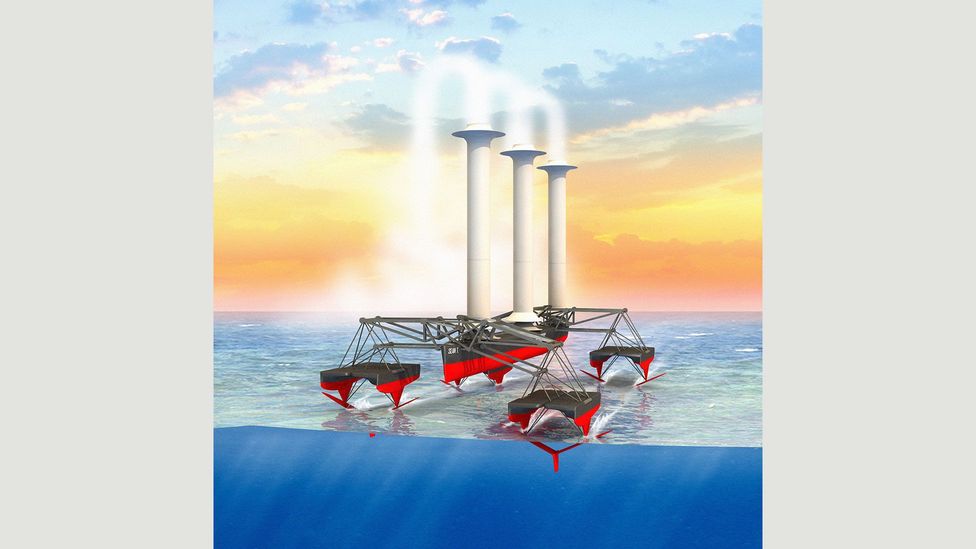
Definition of Cloud Seeding and Its Maritime Application Cloud seeding is a meteorological technique aimed at enhancing precipitation by introducing specific particles into the atmosphere that act as nuclei for moisture condensation. Traditionally, substances like silver iodide or sodium chloride are dispersed to stimulate rainfall or snowfall. Recently, an innovative approach has emerged involving the […]

Read More →

Could quantum computing save the planet?

Understanding Quantum Computing Quantum computing represents a revolutionary leap in computational technology, promising to tackle problems that are currently beyond the reach of classical computers. Unlike traditional computers that use bits as the smallest unit of information-each bit being either a 0 or a 1-quantum computers utilize quantum bits, or qubits. These qubits exploit the […]

Read More →

Boosted Predictions: The Future of Climate Just Got Clearer

Understanding Climate Change Predictions Climate change presents a complex challenge to humanity, marked by uncertainties that test our ability to forecast future environmental conditions. As global climate patterns continue to shift, the question arises: will our ability to predict these changes improve significantly in the coming years? This inquiry is especially relevant today, given the […]

Read More →