
Short Answer
Definition of Cloud Seeding and Its Maritime Application
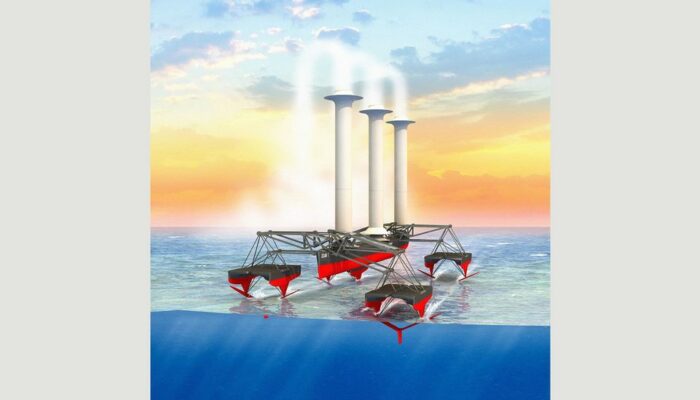
Cloud seeding is a meteorological technique aimed at enhancing precipitation by introducing specific particles into the atmosphere that act as nuclei for moisture condensation. Traditionally, substances like silver iodide or sodium chloride are dispersed to stimulate rainfall or snowfall. Recently, an innovative approach has emerged involving the use of ocean-going vessels to perform cloud seeding, leveraging the interaction between marine aerosols and atmospheric conditions. This method not only targets immediate weather modification but also aspires to contribute to long-term climate change mitigation.
Mechanism of Marine-Based Cloud Seeding
Ships traversing vast oceanic regions naturally generate marine aerosols-minute particles critical for cloud formation-through the turbulence created by their wakes. By intentionally enhancing this aerosol production, vessels can increase cloud reflectivity, or albedo, which influences the Earth’s energy balance by reflecting more sunlight back into space. The success of this process depends on the careful selection and release of particles that effectively promote cloud condensation without causing harmful environmental side effects.
Scientific Principles Behind Cloud Seeding
The fundamental principle of cloud seeding involves introducing condensation nuclei into clouds to encourage droplet formation. The effectiveness of this process can be described by the Köhler theory, which explains how aerosol particles act as centers for water vapor condensation under supersaturated conditions.
- Condensation Nuclei:
Particles such as silver iodide or sea salt that provide surfaces for water vapor to condense upon. - Albedo Effect:
The increase in cloud reflectivity caused by enhanced droplet concentration, leading to greater sunlight reflection. - Energy Balance:
The balance between incoming solar radiation and outgoing terrestrial radiation, influenced by cloud cover and properties.
Potential Benefits for Climate Change Mitigation
Utilizing maritime vessels for cloud seeding offers several promising advantages in the fight against global warming. By increasing cloud cover and reflectivity over targeted oceanic regions, this technique can reduce the amount of solar radiation reaching the Earth’s surface, thereby producing a cooling effect. This localized cooling could help alleviate heat stress in vulnerable ecosystems and agricultural zones, particularly in coastal areas dependent on stable weather patterns.
Additionally, enhanced precipitation from cloud seeding may support agricultural productivity and water resource management, offering a buffer against the increasing frequency of droughts and heatwaves linked to climate change.
Regional Climate Regulation and Marine Ecosystem Protection
Beyond global temperature moderation, cloud seeding from ships holds potential for stabilizing regional weather systems. This could mitigate the intensity and occurrence of extreme weather events such as hurricanes and prolonged droughts. By moderating thermal stress on marine environments, this approach may also contribute to preserving biodiversity and sustaining fisheries, which are vital for food security and economic livelihoods.
Environmental and Ethical Considerations
Despite its potential, cloud seeding via maritime vessels raises significant ethical and environmental concerns. The deliberate alteration of atmospheric conditions may produce unintended consequences, including shifts in precipitation patterns that could negatively impact regions downwind. Such changes might provoke geopolitical tensions over water rights and weather control. Furthermore, the long-term effects of introducing artificial particulates into the atmosphere remain insufficiently understood, necessitating thorough scientific evaluation and risk assessment.
Governance and International Cooperation
Implementing cloud seeding on a meaningful scale requires comprehensive regulatory frameworks that ensure environmental protection and equitable oversight. Given the transboundary nature of climate impacts, international collaboration is essential. Establishing agreements similar to the Paris Accord but focused on geoengineering techniques could facilitate responsible research, technology sharing, and ethical governance.
Collaborative efforts among scientists, policymakers, and non-governmental organizations are crucial to developing governance structures that address the multifaceted challenges of cloud seeding. Such partnerships would help balance socio-economic benefits with adherence to global environmental standards.
Common Misconceptions About Cloud Seeding
Cloud seeding can solve global warming entirely.
Cloud seeding is a supplementary tool aimed at mitigating some effects of climate change, not a standalone solution.
Introducing particles into the atmosphere is harmless.
The environmental impacts of artificial aerosols are complex and require careful study to avoid unintended harm.
Cloud seeding only increases rainfall.
Besides precipitation enhancement, cloud seeding can modify cloud reflectivity and influence regional climate patterns.
Significance of Maritime Cloud Seeding in Climate Strategy
As climate change accelerates, innovative interventions like cloud seeding from ocean vessels represent a novel frontier in environmental management. This approach offers a dual benefit: mitigating global temperature rise and enhancing regional climate resilience. Its potential to protect ecosystems, support agriculture, and stabilize weather patterns underscores its importance in the broader context of climate adaptation and geoengineering. However, responsible deployment demands a balanced integration of scientific research, ethical considerations, and international cooperation to ensure sustainable and equitable outcomes.
FAQ
What is cloud seeding?
Cloud seeding is a meteorological technique that enhances precipitation by introducing particles into the atmosphere that act as nuclei for moisture condensation.
How do ships contribute to cloud seeding?
Ships generate marine aerosols through turbulence, which can be enhanced to increase cloud reflectivity and influence climate.
What are the environmental concerns of cloud seeding?
Cloud seeding can lead to unintended changes in precipitation patterns and may provoke geopolitical tensions over water rights.




Leave a Reply