Does an atom count as a chemical element?

Definition of Atoms and Chemical Elements In chemistry, understanding the difference between an atom and a chemical element is fundamental yet often misunderstood. An atom is the smallest unit of matter that retains the properties of an element, composed of protons, neutrons, and electrons. In contrast, a chemical element is a pure substance that cannot […]

Read More →

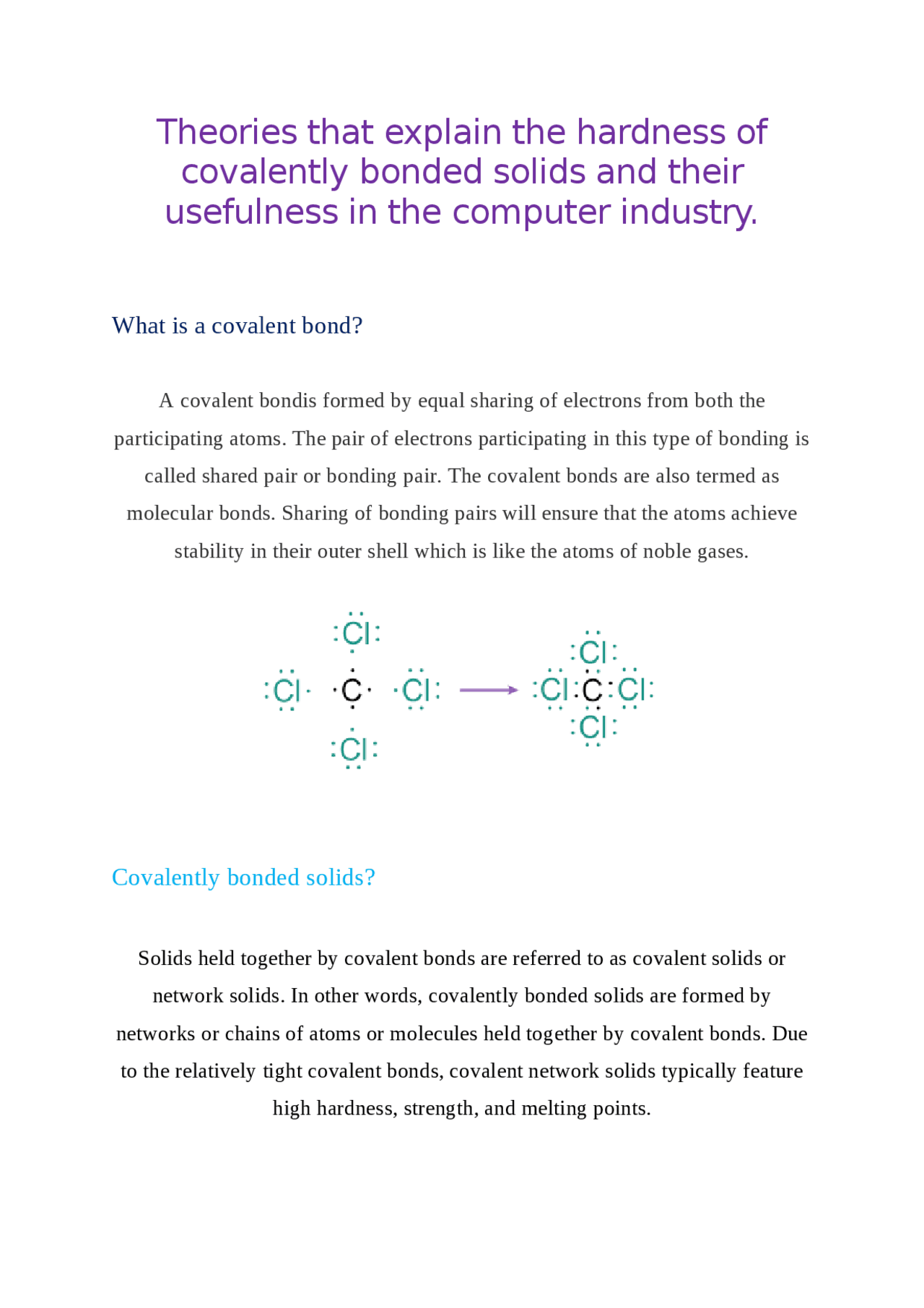
Why does chemical bonding occur between elements?

Definition of Chemical Bonding Chemical bonding refers to the process through which atoms combine to form molecules or compounds by sharing or transferring electrons. This phenomenon is driven by the fundamental aim of atoms to reach a more stable electronic configuration, often resembling that of noble gases. The forces and principles underlying chemical bonds are […]

Read More →

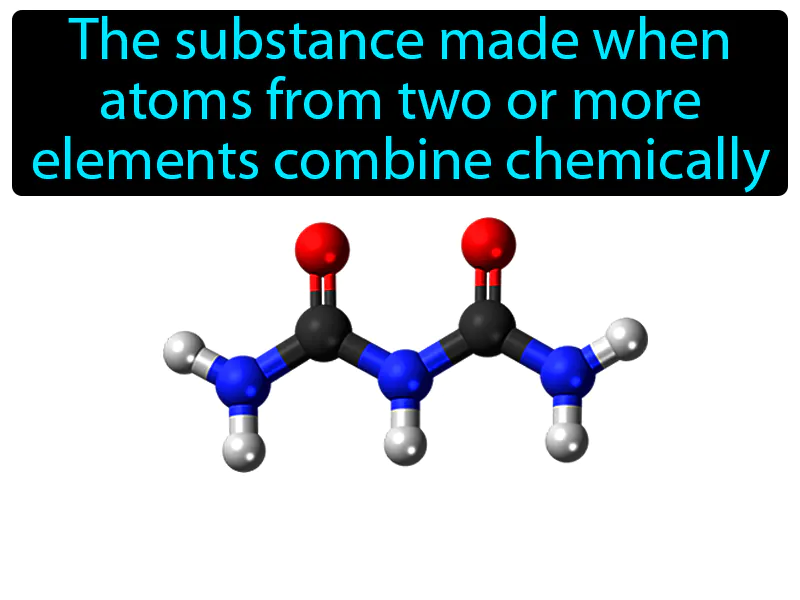
What is a compound

Definition of Chemical Compounds Chemical compounds are substances formed when two or more different elements chemically combine in fixed ratios. These elements are bonded together through chemical bonds, creating a unified entity with properties distinct from the individual atoms. The bonds that hold these atoms together are primarily ionic or covalent in nature, enabling the […]

Read More →

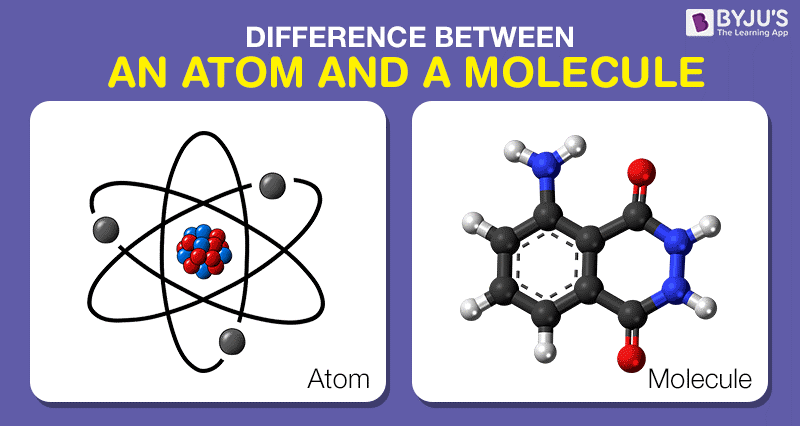
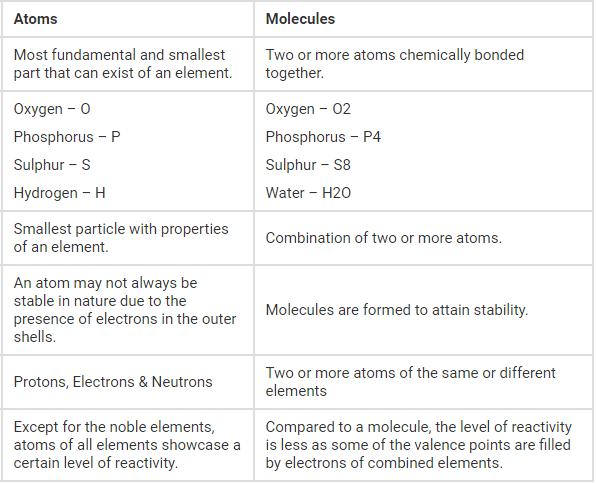
What is the difference between an atom and a molecule?

Definition of Atoms and Molecules Atoms and molecules are foundational concepts in chemistry and material science, essential for understanding the composition and behavior of matter. Atoms are the smallest units of elements that retain their chemical identity, while molecules are assemblies of two or more atoms bonded together, forming distinct chemical substances. Atom: The fundamental […]

Read More →

Is nuclear physics similar to chemistry?

Understanding Nuclear Physics and Chemistry The boundary between nuclear physics and chemistry often appears as indistinct as the subatomic particles they investigate. Both fields explore the microscopic realm, akin to examining different facets of a complex gem. To truly grasp their distinctions and connections, it is essential to analyze their core principles, investigative techniques, and […]

Read More →

Is nuclear a physics subject or chemistry?

Understanding Nuclear Science: An Interdisciplinary Perspective The distinction between physics and chemistry often becomes blurred when examining nuclear science, posing a significant epistemological challenge. Determining whether nuclear energy and its related phenomena belong primarily to physics or chemistry transcends theoretical debate; it reflects the interconnected nature of scientific disciplines. This article aims to clarify the […]

Read More →

What is the difference between mole and atoms?

Definition of Atom and Mole In chemistry, the terms “atom” and “mole” are fundamental concepts that provide a framework for understanding and quantifying matter at the microscopic level. Although closely related, these terms describe different aspects of chemical substances and require distinct definitions. Atom: The atom is the smallest unit of matter that retains the […]

Read More →