
Short Answer
Definition of Biomedical Engineering
Biomedical engineering is a multidisciplinary domain that merges engineering principles with biological sciences and medical knowledge. It plays a crucial role in revolutionizing healthcare by developing innovative technologies and solutions that improve patient diagnosis, treatment, and rehabilitation.
- Core Focus:
The field centers on creating medical devices, diagnostic tools, and therapeutic methods that address complex health challenges. - Interdisciplinary Nature:
It integrates biomechanics, biomaterials, tissue engineering, and other scientific areas to advance medical technology.
Scope and Areas of Biomedical Engineering
Biomedical engineering encompasses a wide range of specialties that contribute to modern medicine’s evolution. Key areas include:
- Personalized Medicine:
Utilizing genetic data to design individualized treatments, enhancing therapeutic effectiveness and reducing side effects. - Medical Imaging:
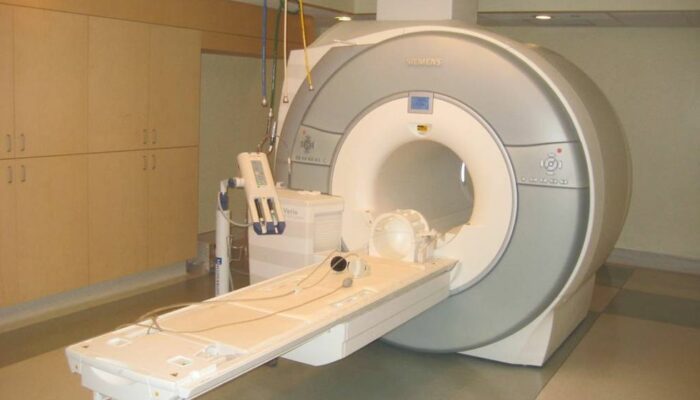
Improving technologies such as MRI, CT, and PET scans to increase diagnostic precision and accessibility. - Prosthetics and Orthotics:
Developing advanced prosthetic limbs that respond to physiological signals, improving mobility and quality of life for amputees. - Regenerative Medicine:
Employing stem cells and engineered tissues to repair or replace damaged organs, addressing organ shortages.
How Biomedical Engineering Advances Healthcare
Biomedical engineers apply engineering techniques to biological systems, creating devices and methods that enhance medical care. Their work includes designing sophisticated diagnostic equipment, developing bioartificial organs, and innovating rehabilitation technologies. By combining knowledge from various disciplines, they solve medical problems with cutting-edge solutions that improve patient outcomes.
Educational Path and Skill Requirements
Studying biomedical engineering demands a strong foundation in mathematics, biology, and engineering concepts. Students engage in rigorous coursework and hands-on laboratory work to master complex biological systems and engineering applications. The program fosters interdisciplinary collaboration, encouraging interaction with experts in medicine, physics, ethics, and biology to cultivate comprehensive problem-solving abilities.
Career Opportunities and Entrepreneurial Potential
Graduates in biomedical engineering have diverse career paths available, spanning academia, healthcare, and industry. Many professionals contribute to medical technology startups or established companies, driving innovation in healthcare solutions. The field’s entrepreneurial aspect allows individuals to develop groundbreaking products that meet patient needs and improve healthcare delivery worldwide.
Global Impact and Ethical Considerations
As healthcare becomes increasingly globalized, biomedical engineers must navigate international regulations, standards, and ethical issues related to medical device development and deployment. Their work promotes cross-border collaboration, aiming to reduce health disparities and ensure equitable access to medical advancements. Ethical responsibility and cultural competence are essential components of their professional practice.
Real-World Applications of Biomedical Engineering
Practical implementations of biomedical engineering are evident in numerous medical innovations:
- Advanced Imaging Techniques:
Enhanced MRI and CT technologies provide clearer images for accurate diagnosis. - Smart Prosthetics:
Devices that interpret neural signals to restore limb function. - Bioartificial Organs:
Engineered tissues that offer alternatives to organ transplants. - Personalized Therapeutics:
Treatments tailored to genetic profiles for improved efficacy.
Common Misconceptions About Biomedical Engineering
Biomedical engineering is solely about building medical devices.
While device development is significant, the field also involves research in tissue engineering, regenerative medicine, and personalized therapies.
It requires only engineering skills.
A successful biomedical engineer must have a strong grasp of biology, medicine, and ethical considerations alongside engineering expertise.
Significance of Biomedical Engineering in Modern Medicine
Biomedical engineering is indispensable in advancing healthcare technologies that improve diagnosis, treatment, and patient rehabilitation. Its contributions enable personalized medicine, enhance medical imaging, and foster innovations in prosthetics and regenerative therapies. By bridging engineering and medicine, this field drives transformative changes that elevate the quality and accessibility of healthcare globally.
FAQ
What is biomedical engineering?
Biomedical engineering is a multidisciplinary field that combines engineering principles with biological sciences to develop technologies that improve healthcare.
What career paths are available in biomedical engineering?
Graduates can pursue careers in academia, healthcare, and industry, often in roles related to medical technology development.
What are the educational requirements for studying biomedical engineering?
Students need a strong foundation in mathematics, biology, and engineering, along with hands-on laboratory experience.




Leave a Reply