
Short Answer
Overview of Graduate Degrees in Biomedical Engineering
In the rapidly advancing domain of biomedical engineering, choosing between a Master of Science (MS) and a Doctor of Philosophy (PhD) represents a crucial decision that shapes one’s academic journey and professional future. Each degree offers a unique educational approach, distinct skill development, and divergent career pathways. Given the swift technological progress and emerging healthcare challenges, understanding the nuances of these graduate programs is essential for making an informed choice.
Definition and Core Differences Between MS and PhD
The MS and PhD in biomedical engineering differ fundamentally in duration, focus, and outcomes:
- Master of Science (MS):
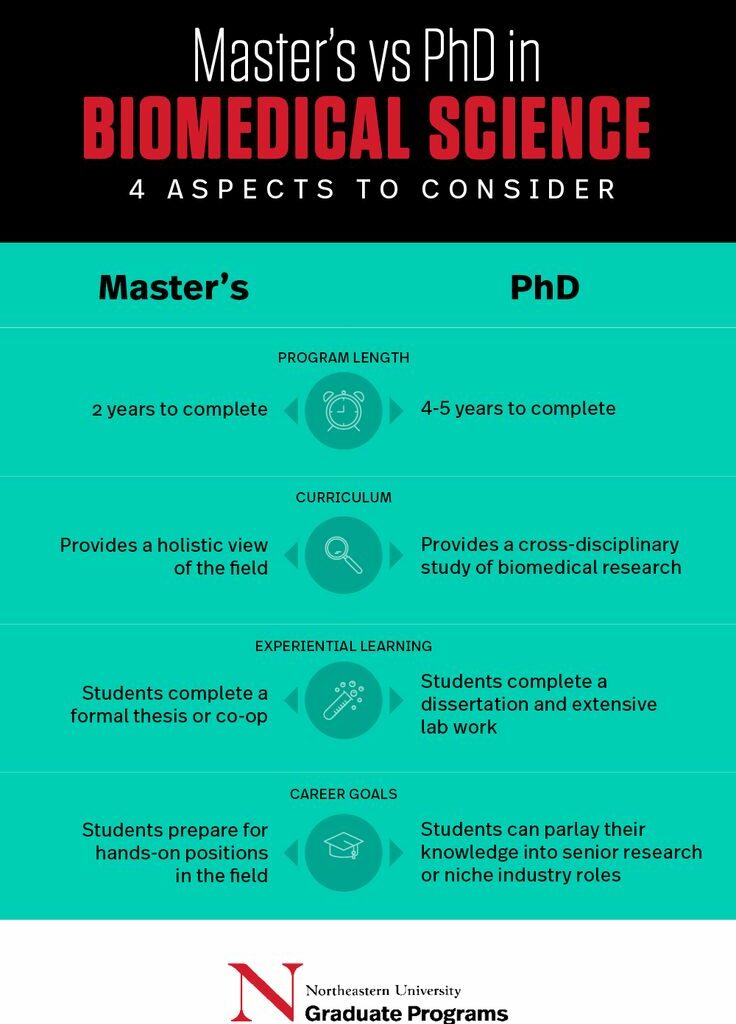
Typically a two-year program combining coursework and sometimes a thesis, designed to enhance technical expertise and prepare students for immediate industry roles. - Doctor of Philosophy (PhD):
A longer commitment of four to six years centered on original research, culminating in a dissertation that contributes new knowledge to the field.
Educational Focus and Skill Development
The MS curriculum emphasizes practical skills and applied knowledge, often covering advanced topics such as medical imaging, biomaterials, and device design. This approach equips graduates to enter the workforce quickly, filling roles like biomedical engineers, regulatory specialists, or clinical applications experts.
In contrast, the PhD pathway is research-intensive, fostering innovation and deep scientific inquiry. Doctoral candidates engage in pioneering studies, potentially developing novel technologies or therapeutic strategies in areas like regenerative medicine or complex system modeling. This rigorous academic environment cultivates critical thinking, resilience, and mastery of the scientific method.
Time Commitment and Academic Challenges
While the MS program offers a relatively swift route to employment, the PhD demands a longer-term dedication involving comprehensive exams, extensive research, and mentorship. This journey not only advances knowledge but also hones leadership and problem-solving skills essential for high-level scientific and academic roles.
Financial and Personal Considerations
Prospective students must weigh the financial implications and personal motivations associated with each degree:
- Financial Investment:
PhD programs often require a significant time and monetary commitment, including potential student debt and lost income opportunities. Conversely, many MS programs provide scholarships, assistantships, or industry collaborations that can ease financial burdens. - Career Aspirations:
Individuals passionate about research, teaching, or leading innovation may find the PhD path more fulfilling. Those seeking immediate application of skills in industry settings might prefer the MS, which can also serve as a foundation for future doctoral studies.
Biomedical Engineering Job Market Dynamics
The employment landscape reflects varying preferences depending on the sector:
- Industry Roles:
Positions in regulatory affairs, quality assurance, and product development often favor candidates with an MS due to their practical expertise. - Academic and Research Positions:
High-level research and faculty roles typically require a PhD, emphasizing analytical skills and original contributions to science.
Why Choosing the Right Degree Matters
The decision between an MS and a PhD in biomedical engineering is more than an academic choice; it is a strategic step toward shaping one’s impact on healthcare innovation and patient outcomes. Both degrees play vital roles in advancing the field-whether through applied solutions in clinical environments or transformative research that pushes scientific boundaries.
Summary and Final Thoughts
Deciding to pursue an MS or PhD in biomedical engineering demands careful reflection on personal goals, professional ambitions, and the evolving needs of the healthcare sector. Each path offers distinct advantages and challenges, aligning differently with individual aspirations. Ultimately, this choice represents a commitment to contributing meaningfully to the future of biomedical engineering and global health advancements.
FAQ
What is the main difference between an MS and a PhD in biomedical engineering?
The MS focuses on practical skills for industry within about two years, while the PhD is research-intensive, lasting four to six years.
Which degree is preferable for working in biomedical device development?
An MS is typically preferable for biomedical device development roles due to its applied curriculum.
Can I pursue a PhD after completing an MS?
Yes, many students use an MS as a stepping stone to a PhD for advanced research opportunities.
What are the financial implications of pursuing a PhD?
PhD programs often require longer time and financial investment, including potential opportunity costs of delayed earnings.
Does a PhD guarantee better job prospects?
Not necessarily; it depends on the career sector. Academia and research prefer PhDs, while industry may value the practical skills of MS holders.




Leave a Reply