
Short Answer
Overview of Biological Science Majors
Students exploring the biological sciences often face a crucial choice among three prominent fields: Biology, Biotechnology, and Biochemistry. Each discipline offers a unique academic experience and career trajectory, shaped by distinct scientific focuses and methodologies. Understanding the nuances of these areas can help students align their educational paths with their interests and professional goals.
Definition and Scope of Each Discipline
Biology
Biology is the broad study of living organisms and their interactions with the environment. It covers a wide range of topics, from cellular processes to ecosystem dynamics, providing a comprehensive foundation in life sciences.
- Focus Areas:
Genetics, marine biology, microbiology, ecology, and evolutionary biology. - Approach:
Emphasizes observation, fieldwork, and organismal studies.
Biotechnology
Biotechnology merges biological knowledge with technological innovation to develop products and solutions addressing global challenges in medicine, agriculture, and environmental sustainability.
- Focus Areas:
Genetic engineering, bioinformatics, pharmaceutical development, and agricultural biotech. - Approach:
Utilizes engineering principles and biological systems to create practical applications.
Biochemistry
Biochemistry delves into the chemical processes that occur within living organisms, exploring molecular interactions and metabolic pathways that underpin cellular function.
- Focus Areas:
Molecular biology, enzymology, metabolic pathways, and cellular communication. - Approach:
Investigates the molecular structure and chemical reactions essential to life.
Academic and Laboratory Experiences
The nature of laboratory work varies significantly across these fields, influencing the learning experience and skill development.
- Biology Labs:
Often involve ecological surveys, organismal behavior studies, and hands-on field research emphasizing direct interaction with living systems. - Biotechnology Labs:
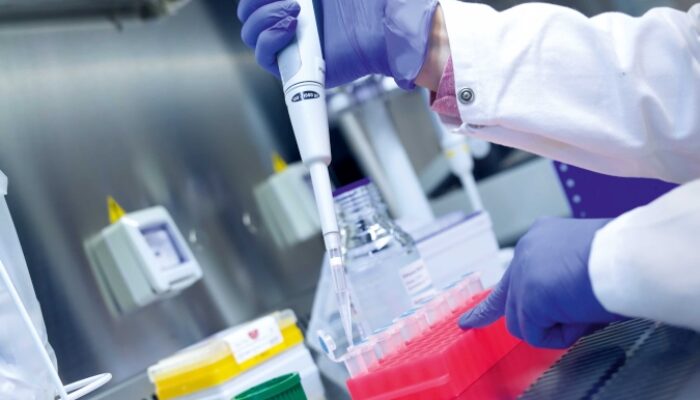
Focus on advanced techniques such as molecular cloning, genetic modification, and bioengineering, requiring precision and technical expertise. - Biochemistry Labs:
Employ methods like chromatography, spectroscopy, and enzyme assays to analyze molecular components and biochemical reactions.
Career Pathways and Opportunities
Each major opens doors to distinct professional avenues, shaped by the skills and knowledge acquired during study.
- Biology Graduates:
Often pursue roles in education, wildlife conservation, public health, and environmental management. - Biotechnology Graduates:
Typically enter industries focused on product development, regulatory affairs, quality control, and innovative research. - Biochemistry Graduates:
Frequently engage in pharmaceutical research, clinical studies, biotechnology firms, and healthcare sectors.
Choosing the Right Major: Personal Interests and Academic Rigor
Deciding among Biology, Biotechnology, and Biochemistry depends on individual passions and academic strengths.
- Interest in Broad Biological Concepts:
Biology suits those fascinated by ecosystems, organismal diversity, and evolutionary processes. - Passion for Molecular and Chemical Processes:
Biochemistry appeals to students intrigued by molecular interactions and chemical foundations of life. - Inclination Toward Innovation and Technology:
Biotechnology attracts those eager to apply biological knowledge to technological advancements and practical solutions. - Academic Demands:
Biology often serves as an introductory discipline, while Biochemistry and Biotechnology require stronger backgrounds in chemistry, mathematics, and analytical thinking.
Emerging Trends and Future Prospects
The dynamic nature of these fields reflects ongoing scientific advancements and societal needs.
- Biotechnology Growth:
Increasing investment and integration of AI and machine learning are driving innovation and expanding career opportunities. - Enduring Importance of Biology:
Fundamental biological knowledge remains critical for addressing ecological sustainability and environmental challenges. - Biochemistry’s Role in Biomedical Research:
Continues to underpin developments in genomics, proteomics, and personalized medicine.
Common Misconceptions About These Majors
Biology is less challenging than Biochemistry or Biotechnology.
While Biology may introduce foundational concepts, it encompasses complex topics and rigorous fieldwork that require critical thinking and analytical skills.
Biotechnology is solely about lab work.
Biotechnology also involves regulatory knowledge, product development, and interdisciplinary collaboration beyond laboratory techniques.
Biochemistry is only for those interested in chemistry.
Biochemistry integrates biology and chemistry, appealing to students fascinated by molecular biology and life sciences.
Significance of Choosing the Right Biological Science Major
Selecting a major in Biology, Biotechnology, or Biochemistry is a pivotal step that shapes academic experiences and career trajectories. Each field offers unique insights into the complexity of life, equipping students with specialized skills to contribute meaningfully to science, healthcare, environmental stewardship, and technological innovation. Aligning one’s educational path with personal interests and future aspirations ensures a rewarding and impactful journey in the biological sciences.
FAQ
What is the difference between Biology, Biotechnology, and Biochemistry?
Biology focuses on living organisms and ecosystems, Biotechnology applies biological knowledge for technological solutions, and Biochemistry studies the chemical processes within organisms.
What careers can I pursue with a degree in these fields?
Graduates can work in education, healthcare, environmental management, research, and technology industries, depending on their major.
Which major is the easiest?
The perceived difficulty varies; Biology serves as an introductory discipline, while Biochemistry and Biotechnology demand stronger backgrounds in chemistry and mathematics.



Leave a Reply